Ir al contenido
ImágenesGratis

Póster editorial dividido de foto a ilustración hecha a mano

Transforma cualquier fotografía en un póster editorial vertical que muestra la foto original en la mitad superior y una ilustración delicada en acuarela y lápiz en la inferior.

OpenAI

Ejemplos de la fuente

Estas imágenes provienen de la fuente original. DROPIDEA no ha probado estos ejemplos; los resultados dependen del modelo y los ajustes.
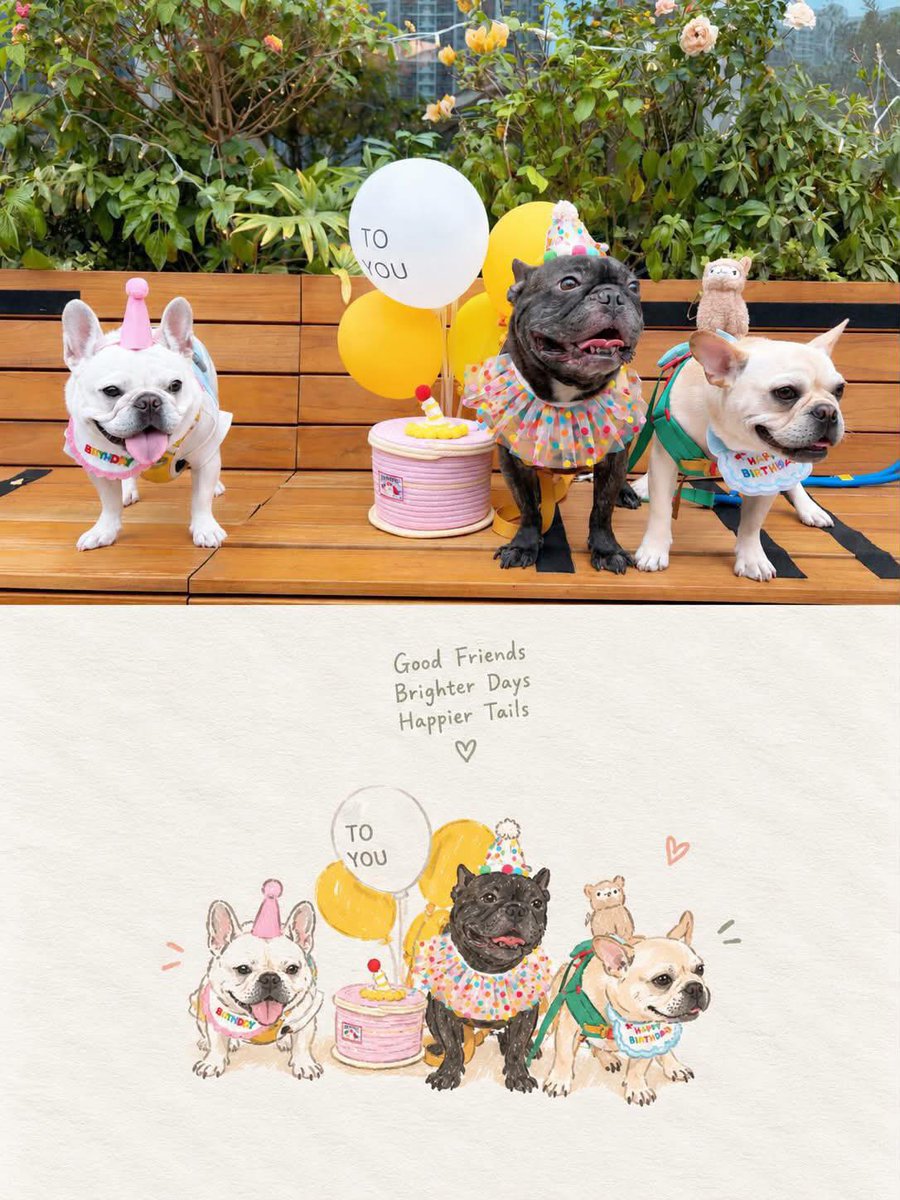
Listo para personalizar

Tu prompt

Inglés

Sustituye las variables en rojo por tus datos. Copia el texto completo y úsalo con tu agente preferido.

TXT MD Versión en inglés
Use the uploaded image as the primary reference. Preserve the original scene, composition, subjects, poses, proportions, colors, and important details accurately. Do not replace or rearrange the main elements. Create a vertical 3:4 editorial poster with a refined photograph-to-hand-drawn-illustration transformation. TOP SECTION — ORIGINAL PHOTO •Keep the uploaded photograph essentially unchanged. •Preserve the exact environment, people/animals, objects, architecture, lighting, colors, and composition. •Make it look natural, sharp, and photographic. •The photo should occupy approximately the upper 50% of the poster. BOTTOM SECTION — ILLUSTRATED VERSION •Recreate the same scene from the photograph as a delicate hand-drawn illustration. •Keep the same subjects, positions, poses, perspective, and recognizable details. •Use a soft watercolor + colored pencil + ink sketch aesthetic. •Fine expressive outlines, subtle pencil texture, gentle watercolor washes, slightly imperfect hand-drawn edges. •Simplify the background while retaining the most recognizable environmental elements. •Use soft pastel tones, natural paper colors, subtle grain, and an elegant editorial/art-book feeling. •The illustration should feel like a premium travel/lifestyle postcard, not a cartoon or generic digital painting. •Maintain visual continuity between the photograph and illustration. LAYOUT & DESIGN •Vertical 3:4 composition. •Upper half = original photograph. •Lower half = warm off-white textured paper/canvas background. •Create a soft, seamless transition between the two sections. •Place the illustrated recreation centrally in the lower section with generous negative space around it. •Add a few subtle hand-drawn decorative elements such as tiny petals, leaves, hearts, or sketch marks only if they naturally fit the scene. •Minimal, elegant typography beneath or around the illustration. •Use a sophisticated handwritten/script font for the main title and a small minimalist serif/sans-serif font for the subtitle. •Keep typography understated and balanced. TEXT Replace the title and subtitle with context-appropriate wording, or use: “A Brighter Day” “A Slower Life” For pet/family images, use: “Good Friends” “Brighter Days” “Happier Tails ♡” IMPORTANT •Do not alter the identity or appearance of people or animals. •Do not add extra people, animals, buildings, or objects. •Do not change the original scene. •Keep the illustration clearly recognizable as the same photograph transformed into artwork. •Premium editorial poster aesthetic, soft natural colors, sophisticated composition, realistic details combined with delicate handmade illustration. •No photorealistic recreation in the lower section, no 3D render, no anime, no overly cartoonish style, no excessive text.
Ver resultados

Tu prompt

Use the uploaded image as the primary reference. Preserve the original scene, composition, subjects, poses, proportions, colors, and important details accurately. Do not replace or rearrange the main elements. Create a vertical 3:4 editorial poster with a refined photograph-to-hand-drawn-illustration transformation. TOP SECTION — ORIGINAL PHOTO •Keep the uploaded photograph essentially unchanged. •Preserve the exact environment, people/animals, objects, architecture, lighting, colors, and composition. •Make it look natural, sharp, and photographic. •The photo should occupy approximately the upper 50% of the poster. BOTTOM SECTION — ILLUSTRATED VERSION •Recreate the same scene from the photograph as a delicate hand-drawn illustration. •Keep the same subjects, positions, poses, perspective, and recognizable details. •Use a soft watercolor + colored pencil + ink sketch aesthetic. •Fine expressive outlines, subtle pencil texture, gentle watercolor washes, slightly imperfect hand-drawn edges. •Simplify the background while retaining the most recognizable environmental elements. •Use soft pastel tones, natural paper colors, subtle grain, and an elegant editorial/art-book feeling. •The illustration should feel like a premium travel/lifestyle postcard, not a cartoon or generic digital painting. •Maintain visual continuity between the photograph and illustration. LAYOUT & DESIGN •Vertical 3:4 composition. •Upper half = original photograph. •Lower half = warm off-white textured paper/canvas background. •Create a soft, seamless transition between the two sections. •Place the illustrated recreation centrally in the lower section with generous negative space around it. •Add a few subtle hand-drawn decorative elements such as tiny petals, leaves, hearts, or sketch marks only if they naturally fit the scene. •Minimal, elegant typography beneath or around the illustration. •Use a sophisticated handwritten/script font for the main title and a small minimalist serif/sans-serif font for the subtitle. •Keep typography understated and balanced. TEXT Replace the title and subtitle with context-appropriate wording, or use: “A Brighter Day” “A Slower Life” For pet/family images, use: “Good Friends” “Brighter Days” “Happier Tails ♡” IMPORTANT •Do not alter the identity or appearance of people or animals. •Do not add extra people, animals, buildings, or objects. •Do not change the original scene. •Keep the illustration clearly recognizable as the same photograph transformed into artwork. •Premium editorial poster aesthetic, soft natural colors, sophisticated composition, realistic details combined with delicate handmade illustration. •No photorealistic recreation in the lower section, no 3D render, no anime, no overly cartoonish style, no excessive text.

Guía de variables

“A Brighter Day”

Título principal en tipografía manuscrita bajo la ilustración

Sección TEXT: primera opción de título principal

Valor de ejemplo

“A Brighter Day”

“A Slower Life”

Subtítulo minimalista colocado debajo del título principal

Sección TEXT: segunda opción de subtítulo

Valor de ejemplo

“A Slower Life”

“Good Friends”

Frase de título alternativa para fotos de mascotas o amigos

Sección TEXT para fotos de mascotas o familia

Valor de ejemplo

“Good Friends”

Qué obtienes

  • Un póster editorial vertical en 3:4 que combina la fotografía original con una recreación dibujada a mano.
  • Estilo artístico en acuarela, lápices de color y boceto en tinta sobre lienzo texturizado en blanco roto.
  • Tipografía minimalista y elegante similar a una postal de viajes de lujo o un libro de arte.

Casos de uso

  • Convertir fotos de viajes en láminas artísticas para enmarcar.
  • Regalos y retratos personalizados de mascotas y momentos familiares.
  • Contenido visual refinado para redes sociales y marcas de estilo de vida.

Cómo usarlo

  • Sube una fotografía de referencia nítida de tu sujeto, paisaje o mascota.
  • Personaliza o mantén las opciones de texto editorial sugeridas en la plantilla.
  • Ejecuta el prompt para generar un póster vertical 3:4 con la foto arriba y la ilustración en acuarela abajo.

Prompts relacionados