Ir al contenido
ImágenesGratis

Pósters de diorama de pase urbano

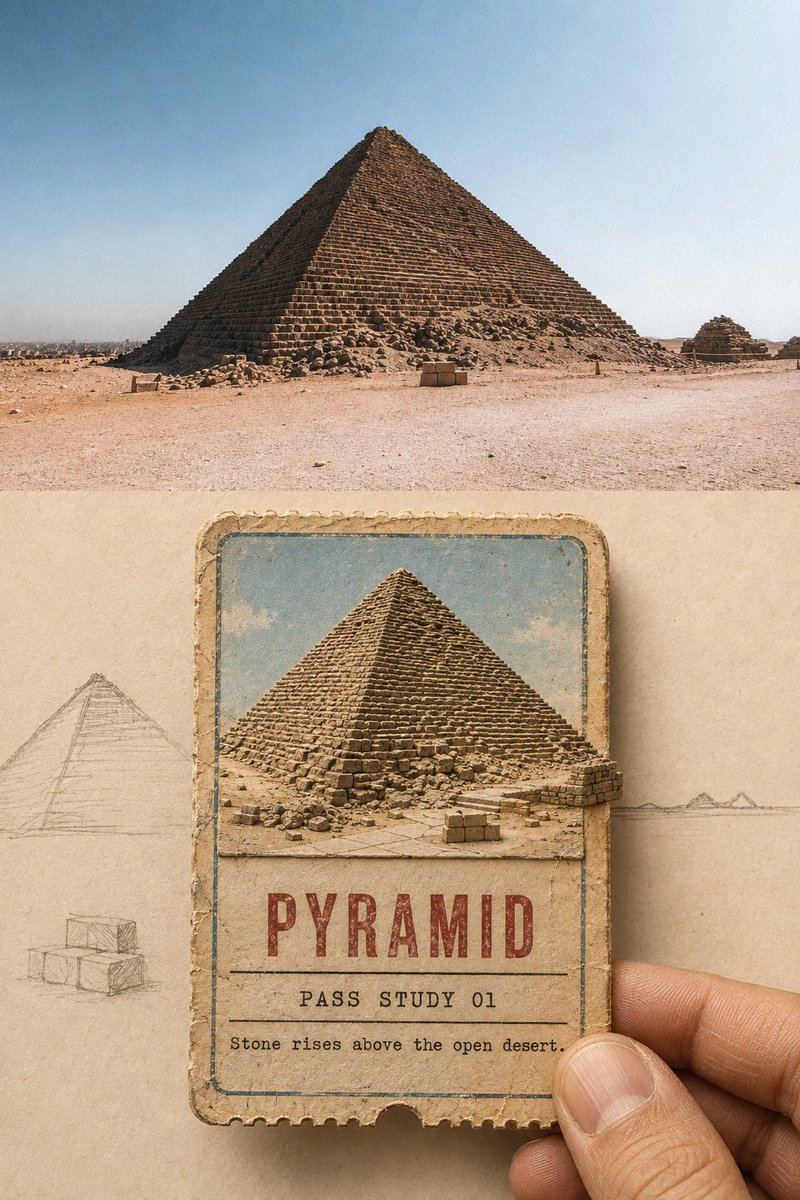
Formato vertical 3:4 que conserva la foto original arriba y reinterpreta la escena abajo como una tarjeta de pase urbano de papel antiguo sostenida con la mano, con un monumento tridimensional y textos impresos como PASS STUDY 01. Un póster por foto, sin collage.

OpenAI

Ejemplos de la fuente

Estas imágenes provienen de la fuente original. DROPIDEA no ha probado estos ejemplos; los resultados dependen del modelo y los ajustes.

Listo para personalizar

Tu prompt

Inglés

Sustituye las variables en rojo por tus datos. Copia el texto completo y úsalo con tu agente preferido.

TXT MD Versión en inglés
Create a separate high-end travel illustration poster for each of the travel photos I upload, with each photo output individually and no multi-image collage. Style Name: HANDHELD CITY PASS DIORAMA|Handheld City Pass Card Miniature Overall composition uses a 3:4 vertical format, forming a clear top-and-bottom original-image comparison structure. The upper portion occupies approximately 48% of the frame and completely preserves the original travel photo; the lower portion occupies approximately 52% and transforms the same scene into a miniature model of an old-paper city pass card held between fingers. The upper half faithfully preserves the original photography, maintaining subject identity, architectural structure, number of people, viewing angle, real materials, natural lighting, and original color atmosphere, with only subtle high-end photographic color grading. To fit the frame, the sky, ground, or environmental background may be extended naturally, but the subject must not be stretched, distorted, or replaced, and no famous buildings or cultural symbols not present in the original image may be added. The lower half uses warm ivory old paper as the background, retaining at least 30% continuous paper-surface negative space. Only one vertical old-style city pass card is placed in the center of the frame, with the card occupying approximately 42%–60% of the lower region's width, featuring real paper thickness, worn edges, slight creases, faded ink, perforations or cut notches, and subtle misregistration. Extract the most recognizable core landmark from the original photo and compress it inside the card. The landmark must not merely be a flat photo printed on the card, but must rise realistically outward from the card surface, forming a paper architectural sand-table, miniature model, or shallow relief combined with three-dimensional model effect. Accurately preserve the landmark's proportions, silhouette, facade structure, and key identifying features. If surrounding buildings, trees, plazas, roads, or people exist in the original image, a small number of real elements may be selected and converted into lower-level miniature blocks to establish scale relationships; pyramids, churches, mosques, towers, or other landmarks not present in the photo must not be added. Only one hand is allowed to enter the frame from one corner below the card, gently pinching the card with the thumb and fingers. The hand proportions must be natural and the area restrained, used only to establish the "actually held in hand" sense of scale, and must not obscure the subject or become the visual center. Up to four sparse graphite architectural observation line drawings may be added around the card, such as the main subject's side silhouette, partial structure, columns, trees, or simple block analysis. The line drawings must be light, faint, and loose, blending with the negative space, and must not develop into a crowded travel scrapbook collage. The color palette is extracted from the original photo, using warm old paper color as the base, preserving sky blue, stone gray, sand color, plant green, or the most representative colors from the original, and selecting one low-saturation old-printing accent color. The overall presentation is faded, restrained, and carries a vintage travel print quality. Text is printed directly on the card surface rather than floating on the background. Generate a brief, accurate English title based on the location or subject in the photo, paired with: PASS STUDY 01 One line of brief English on-site observation sentence The main title uses bold narrow old lead type, and small text fields use typewriter font. Text must be clear, with sufficient font size to remain readable in chat previews, and consistent with the card's worn ink texture. No author name, brand name, or watermark may appear. The overall mood references old-style city passes, architectural survey cards, paper miniature sand-tables, travel commemorative specimens, and independent publication design. Presenting a real,...
Ver resultados

Tu prompt

Create a separate high-end travel illustration poster for each of the travel photos I upload, with each photo output individually and no multi-image collage. Style Name: HANDHELD CITY PASS DIORAMA|Handheld City Pass Card Miniature Overall composition uses a 3:4 vertical format, forming a clear top-and-bottom original-image comparison structure. The upper portion occupies approximately 48% of the frame and completely preserves the original travel photo; the lower portion occupies approximately 52% and transforms the same scene into a miniature model of an old-paper city pass card held between fingers. The upper half faithfully preserves the original photography, maintaining subject identity, architectural structure, number of people, viewing angle, real materials, natural lighting, and original color atmosphere, with only subtle high-end photographic color grading. To fit the frame, the sky, ground, or environmental background may be extended naturally, but the subject must not be stretched, distorted, or replaced, and no famous buildings or cultural symbols not present in the original image may be added. The lower half uses warm ivory old paper as the background, retaining at least 30% continuous paper-surface negative space. Only one vertical old-style city pass card is placed in the center of the frame, with the card occupying approximately 42%–60% of the lower region's width, featuring real paper thickness, worn edges, slight creases, faded ink, perforations or cut notches, and subtle misregistration. Extract the most recognizable core landmark from the original photo and compress it inside the card. The landmark must not merely be a flat photo printed on the card, but must rise realistically outward from the card surface, forming a paper architectural sand-table, miniature model, or shallow relief combined with three-dimensional model effect. Accurately preserve the landmark's proportions, silhouette, facade structure, and key identifying features. If surrounding buildings, trees, plazas, roads, or people exist in the original image, a small number of real elements may be selected and converted into lower-level miniature blocks to establish scale relationships; pyramids, churches, mosques, towers, or other landmarks not present in the photo must not be added. Only one hand is allowed to enter the frame from one corner below the card, gently pinching the card with the thumb and fingers. The hand proportions must be natural and the area restrained, used only to establish the "actually held in hand" sense of scale, and must not obscure the subject or become the visual center. Up to four sparse graphite architectural observation line drawings may be added around the card, such as the main subject's side silhouette, partial structure, columns, trees, or simple block analysis. The line drawings must be light, faint, and loose, blending with the negative space, and must not develop into a crowded travel scrapbook collage. The color palette is extracted from the original photo, using warm old paper color as the base, preserving sky blue, stone gray, sand color, plant green, or the most representative colors from the original, and selecting one low-saturation old-printing accent color. The overall presentation is faded, restrained, and carries a vintage travel print quality. Text is printed directly on the card surface rather than floating on the background. Generate a brief, accurate English title based on the location or subject in the photo, paired with: PASS STUDY 01 One line of brief English on-site observation sentence The main title uses bold narrow old lead type, and small text fields use typewriter font. Text must be clear, with sufficient font size to remain readable in chat previews, and consistent with the card's worn ink texture. No author name, brand name, or watermark may appear. The overall mood references old-style city passes, architectural survey cards, paper miniature sand-tables, travel commemorative specimens, and independent publication design. Presenting a real,...

Qué obtienes

  • Un póster vertical 3:4 por cada foto subida, sin collage de varias imágenes.
  • Una mitad superior que conserva fielmente la foto original con gradación de color sutil y elegante.
  • Una mitad inferior como tarjeta de pase urbano de papel antiguo al 42%–60% del ancho y al menos 30% de espacio negativo.
  • Un monumento que emerge de la superficie de la tarjeta con bloques en miniatura y una sola mano sujetándola desde una esquina inferior.
  • Hasta cuatro dibujos sutiles de grafito y textos impresos en la tarjeta, incluidos un título corto en inglés y la línea PASS STUDY 01.

Casos de uso

  • Pósters conmemorativos premium de viajes personales.
  • Publicaciones para redes sociales con estilo de comparación original/transformado.
  • Diseños impresos o publicaciones independientes inspirados en tarjetas de levantamiento arquitectónico.
  • Recuerdos visuales en miniatura de monumentos de ciudades.

Cómo usarlo

  • Sube una o varias fotos de viaje; cada una se convertirá en su propio póster independiente, sin mezclarlas.
  • Asegúrate de que la foto contenga un monumento reconocible para extraerlo y comprimirlo dentro de la tarjeta de papel en la mitad inferior.
  • Revisa las proporciones fijas (encuadre 3:4, 48% para la foto original, 52% para la transformación) antes de generar.
  • Orienta el título breve en inglés y la línea de observación mencionando la ubicación o el sujeto de la foto.
  • Usa el resultado como póster conmemorativo premium o diseño impreso estilo editorial independiente.

Prompts relacionados