Ir al contenido
ImágenesGratis

Póster editorial de viajes con viñeta geométrica minimalista

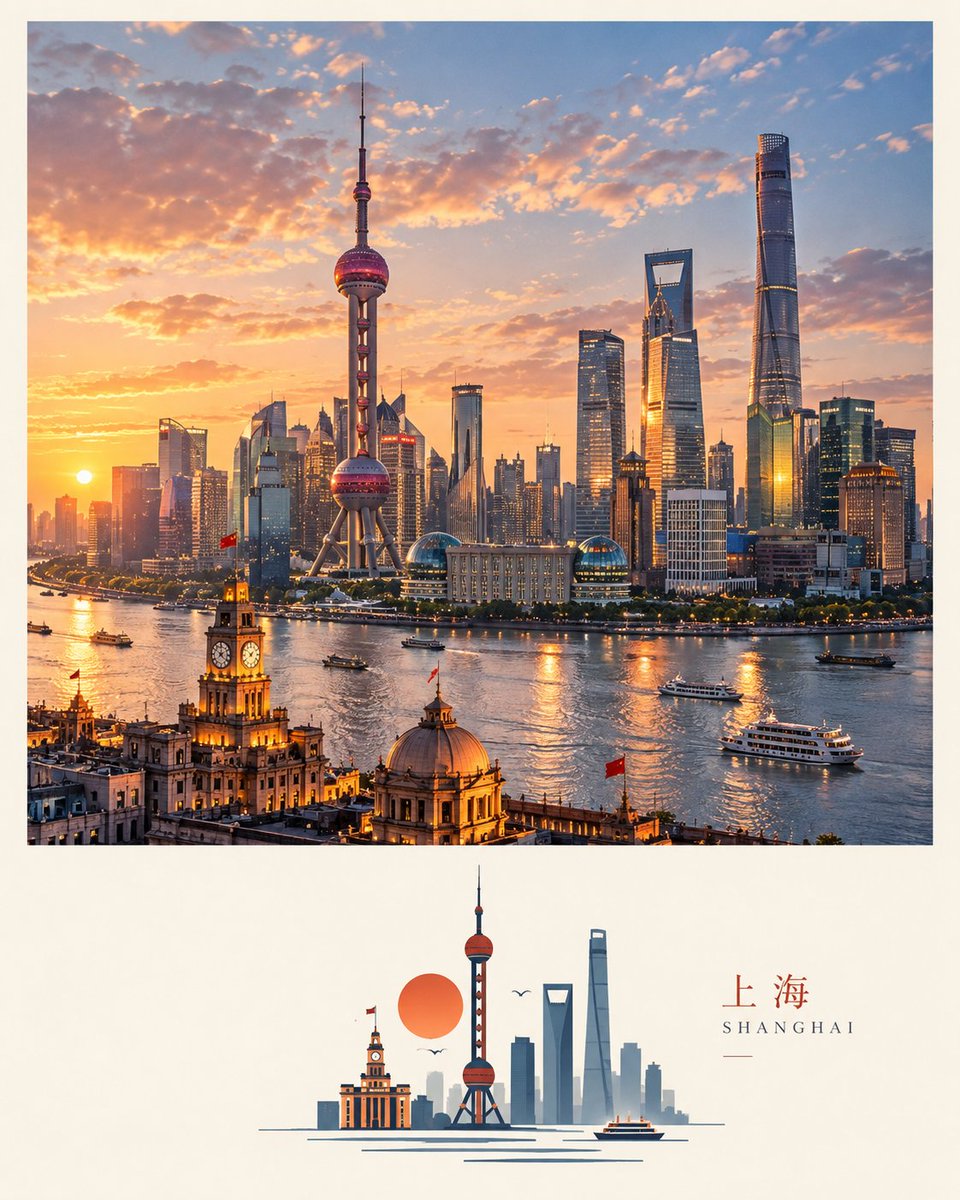
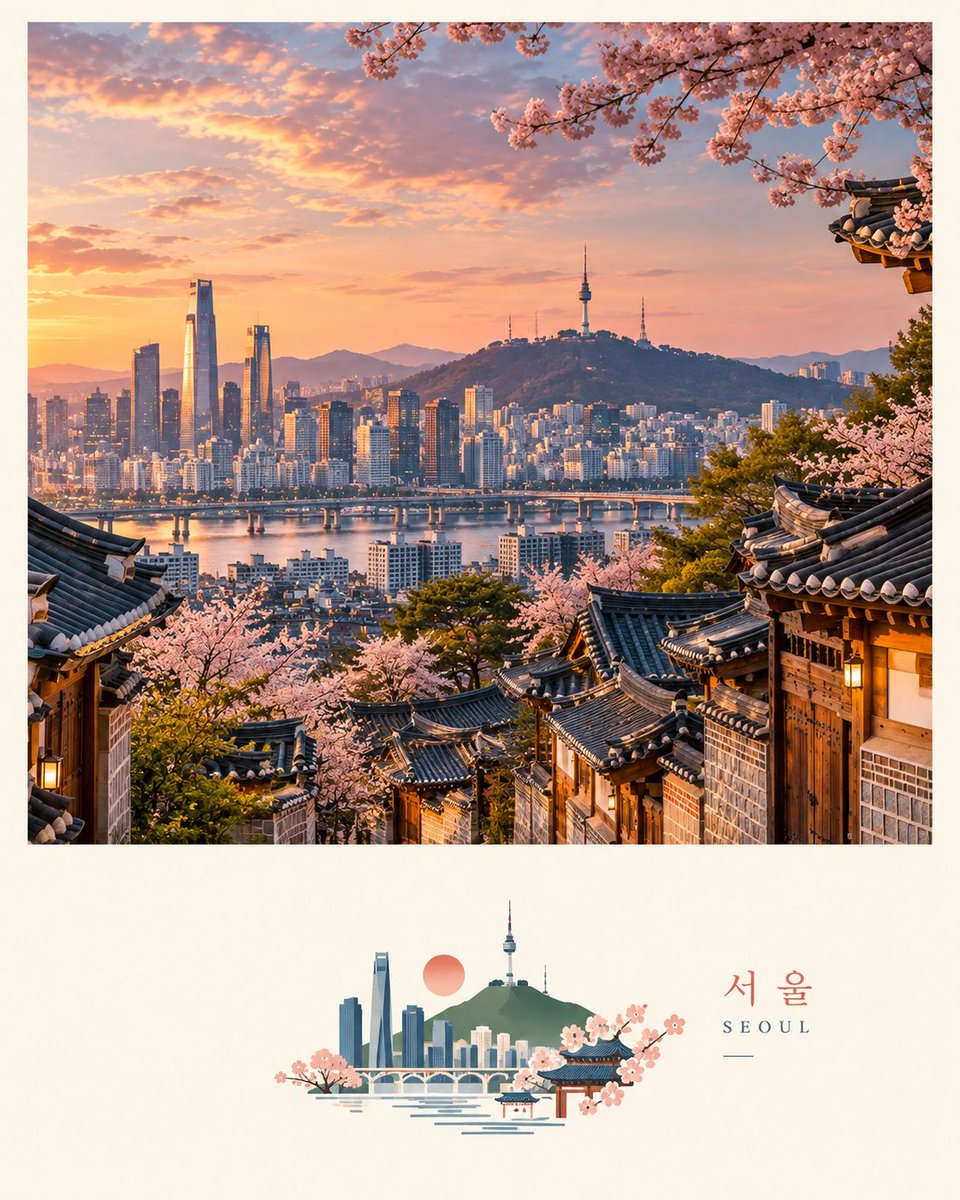
Crea una obra editorial de viajes prémium en formato vertical 4:5 que combina una escena superior realista con una viñeta geométrica minimalista y amplio espacio negativo.

OpenAI

Ejemplos de la fuente

Estas imágenes provienen de la fuente original. DROPIDEA no ha probado estos ejemplos; los resultados dependen del modelo y los ajustes.

Listo para personalizar

Tu prompt

Inglés

Sustituye las variables en rojo por tus datos. Copia el texto completo y úsalo con tu agente preferido.

TXT MD Versión en inglés
Create a premium 4:5 vertical editorial travel artwork for [COUNTRY / CITY / LOCATION / SUBJECT]. TEXT-TO-IMAGE ONLY — generate the entire composition creatively from [COUNTRY / CITY / LOCATION / SUBJECT] alone. No reference image required. CORE CONCEPT Create a realistic upper scene representing [COUNTRY / CITY / LOCATION / SUBJECT], paired with a small Minimal Geometric Graphic Vignette in the lower section. The lower artwork should visually echo the main scene without literally reproducing it. GRAPHIC VIGNETTE Automatically identify the 2–5 strongest visual memory points of [COUNTRY / CITY / LOCATION / SUBJECT]—its most recognizable silhouette, movement, posture, structure, object, or narrative relationship. Remove everything unnecessary and reconstruct these elements using simple geometric forms, clean silhouettes, solid color blocks, and a few carefully layered shapes. The vignette should remain small and refined, never attempting to recreate the entire scene. It may be slightly off-center, edge-aligned, floating, partially cropped, or asymmetrically positioned according to the visual weight of the subject. NEGATIVE SPACE Give the geometric artwork generous surrounding whitespace. Treat negative space as an essential design element, using scale contrast, positive/negative shapes, spacing, clustering, and asymmetrical balance to create a sophisticated editorial rhythm. COLOR Derive a restrained 2–4 color palette from the visual identity of [COUNTRY / CITY / LOCATION / SUBJECT]. Extract meaningful colors associated with the subject, environment, materials, season, atmosphere, clothing, architecture, vegetation, water, or food, then simplify and slightly brighten them into clean graphic colors. Use a very pale, soft background close to white. Avoid muddy neutrals, unnecessary muted palettes, fluorescent colors, or decorative colors unrelated to the subject. STYLE Keep the vignette small, simple, precise, and highly recognizable. Use professional graphic-design language rather than realistic volume, complex textures, or cartoon styling. Whether the subject is a person, building, animal, plant, object, vehicle, or landscape, transform it into an elegant spot illustration with strong visual identity and minimal geometry. TYPOGRAPHY Add only a very small amount of restrained editorial text if appropriate. Derive a short word or phrase from the destination, subject, action, mood, or visual metaphor. Keep it subtle and integrated into the surrounding negative space. FINAL AESTHETIC Minimal geometric graphic design × editorial spot illustration × contemporary travel art × intelligent negative space × semantic color palette. The result should feel refined, modern, playful, highly intentional, and collectible—not like a photo tracing or ordinary cartoon. Avoid photorealistic lower artwork, literal photo recreation, excessive detail, complex shading, gradients, 3D rendering, oversized graphics, clutter, decorative colors, generic icons, excessive typography, logos, watermarks, or filled-in backgrounds. FORMAT: 4:5 vertical, premium editorial composition, small geometric vignette with generous negative space.
Ver resultados

Tu prompt

Create a premium 4:5 vertical editorial travel artwork for [COUNTRY / CITY / LOCATION / SUBJECT]. TEXT-TO-IMAGE ONLY — generate the entire composition creatively from [COUNTRY / CITY / LOCATION / SUBJECT] alone. No reference image required. CORE CONCEPT Create a realistic upper scene representing [COUNTRY / CITY / LOCATION / SUBJECT], paired with a small Minimal Geometric Graphic Vignette in the lower section. The lower artwork should visually echo the main scene without literally reproducing it. GRAPHIC VIGNETTE Automatically identify the 2–5 strongest visual memory points of [COUNTRY / CITY / LOCATION / SUBJECT]—its most recognizable silhouette, movement, posture, structure, object, or narrative relationship. Remove everything unnecessary and reconstruct these elements using simple geometric forms, clean silhouettes, solid color blocks, and a few carefully layered shapes. The vignette should remain small and refined, never attempting to recreate the entire scene. It may be slightly off-center, edge-aligned, floating, partially cropped, or asymmetrically positioned according to the visual weight of the subject. NEGATIVE SPACE Give the geometric artwork generous surrounding whitespace. Treat negative space as an essential design element, using scale contrast, positive/negative shapes, spacing, clustering, and asymmetrical balance to create a sophisticated editorial rhythm. COLOR Derive a restrained 2–4 color palette from the visual identity of [COUNTRY / CITY / LOCATION / SUBJECT]. Extract meaningful colors associated with the subject, environment, materials, season, atmosphere, clothing, architecture, vegetation, water, or food, then simplify and slightly brighten them into clean graphic colors. Use a very pale, soft background close to white. Avoid muddy neutrals, unnecessary muted palettes, fluorescent colors, or decorative colors unrelated to the subject. STYLE Keep the vignette small, simple, precise, and highly recognizable. Use professional graphic-design language rather than realistic volume, complex textures, or cartoon styling. Whether the subject is a person, building, animal, plant, object, vehicle, or landscape, transform it into an elegant spot illustration with strong visual identity and minimal geometry. TYPOGRAPHY Add only a very small amount of restrained editorial text if appropriate. Derive a short word or phrase from the destination, subject, action, mood, or visual metaphor. Keep it subtle and integrated into the surrounding negative space. FINAL AESTHETIC Minimal geometric graphic design × editorial spot illustration × contemporary travel art × intelligent negative space × semantic color palette. The result should feel refined, modern, playful, highly intentional, and collectible—not like a photo tracing or ordinary cartoon. Avoid photorealistic lower artwork, literal photo recreation, excessive detail, complex shading, gradients, 3D rendering, oversized graphics, clutter, decorative colors, generic icons, excessive typography, logos, watermarks, or filled-in backgrounds. FORMAT: 4:5 vertical, premium editorial composition, small geometric vignette with generous negative space.

Guía de variables

[COUNTRY / CITY / LOCATION / SUBJECT]

El país, ciudad, ubicación geográfica o tema de viaje a representar

A lo largo de todo el prompt reemplazando [COUNTRY / CITY / LOCATION / SUBJECT]

Valor de ejemplo

Kyoto, Japan - traditional tea house surrounded by autumn maples

Qué obtienes

  • Una composición editorial de viajes prémium en formato vertical 4:5.
  • Un diseño dual que integra una escena superior realista con una viñeta gráfica geométrica y minimalista debajo.
  • Un uso sofisticado del espacio negativo, colores semánticos armonizados y tipografía sutil.

Casos de uso

  • Portadas de revistas de viajes editoriales y folletos de turismo prémium.
  • Láminas de arte impreso y pósteres contemporáneos para decoración de interiores.
  • Campañas de publicidad visual para aerolíneas, hoteles boutique o agencias de viajes.

Cómo usarlo

  • Sustituye el marcador [COUNTRY / CITY / LOCATION / SUBJECT] por el destino, monumento o temática de viaje deseada.
  • Pega el texto completo del prompt en tu generador de imágenes por IA preferido que soporte descripciones editoriales complejas.
  • Asegúrate de configurar la relación de aspecto en vertical 4:5 (por ejemplo, con el parámetro --ar 4:5 si corresponde).
  • Genera la imagen y elige la variante que mejor equilibre el realismo superior con la abstracción gráfica inferior.

Prompts relacionados