Ir al contenido
ImágenesGratis

Póster vertical emotivo de ciudad

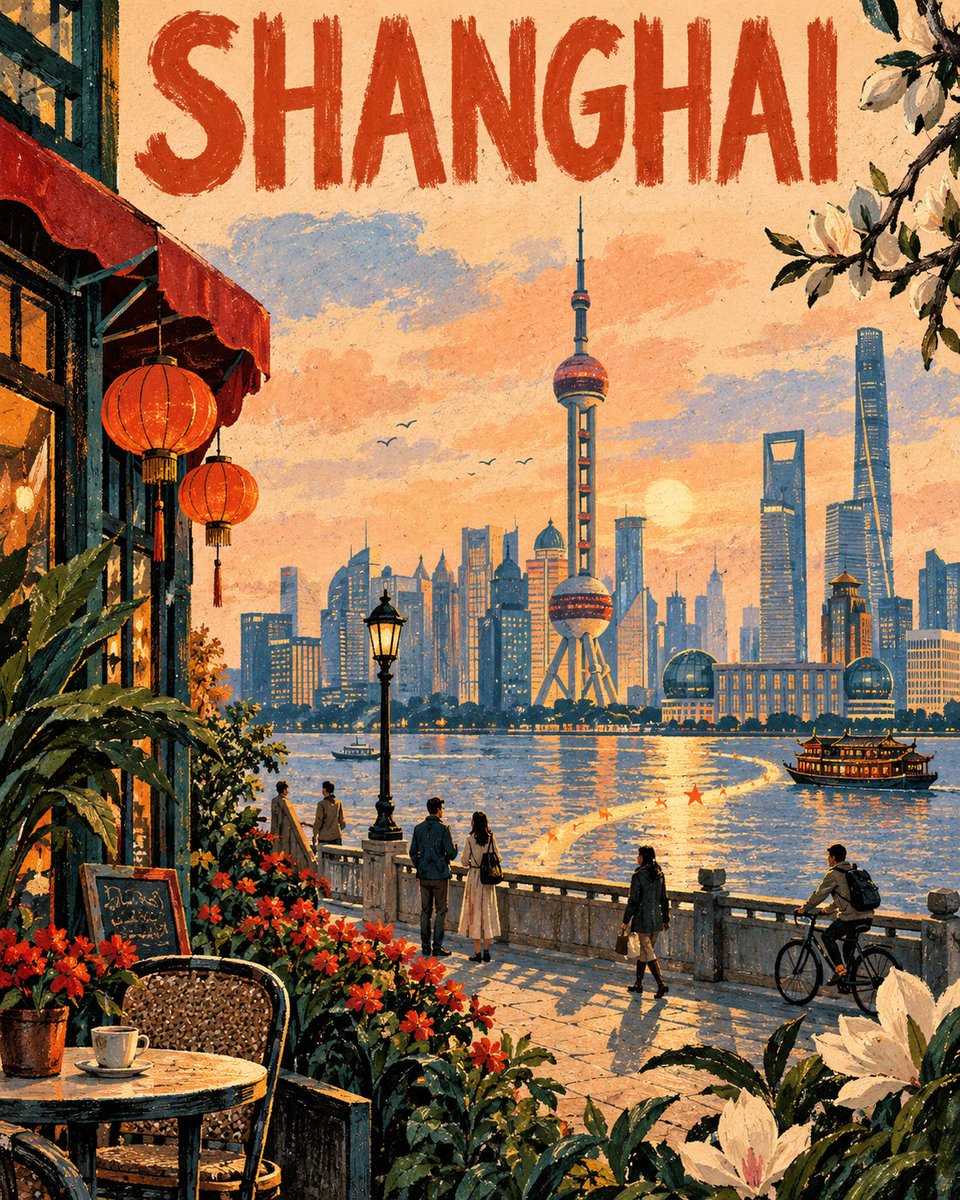
Una plantilla que guía a la IA para crear un póster de viaje vertical y emotivo de cualquier ciudad y monumento, en un estilo ilustrativo original de técnicas mixtas (pastele al óleo, carbón, papel cálido), con composición de tres capas, una cinta de memoria fluida y el nombre de la ciudad en mayúsculas inglesas.

OpenAI

Ejemplos de la fuente

Estas imágenes provienen de la fuente original. DROPIDEA no ha probado estos ejemplos; los resultados dependen del modelo y los ajustes.

Listo para personalizar

Tu prompt

Inglés

Sustituye las variables en rojo por tus datos. Copia el texto completo y úsalo con tu agente preferido.

TXT MD Versión en inglés
CITY: [ENTER CITY NAME IN ENGLISH] LANDMARK: [ENTER ONE MAIN LANDMARK] Create an original vertical emotional city poster featuring the specified CITY and LANDMARK. The LANDMARK should be the recognizable visual anchor in the middle distance, simplified into elegant geometric forms rather than rendered with photographic precision. Reimagine the surrounding area as a poetic memory of the city—not an exact copy of any photograph or existing artwork. COMPOSITION Build the scene in three distinct layers: FOREGROUND — Oversized local plants, seasonal flowers, architectural fragments, café furniture, street objects, or foliage associated with the city, partially entering from the bottom and sides. MIDDLE GROUND — A few small, naturally posed people enjoying an ordinary city moment: walking, reading, cycling, talking, resting, or looking toward the landmark. Keep them secondary and avoid staged tourist poses. BACKGROUND — The LANDMARK within a selectively simplified cityscape, framed by sky, trees, water, hills, or buildings appropriate to the location. Add a distinctive Memory Ribbon: an irregular flowing band beginning near a lower corner and naturally transforming into a road, river, shadow, flower bed, or beam of light as it leads toward the landmark. Add several tiny star-shaped color marks along its path. VISUAL LANGUAGE Use an original mixed-media illustration style combining broad oil-pastel color blocks, dry powdery charcoal outlines, handmade pressure variations, broken edges, imperfect overlaps, scraped-back highlights, warm uncoated paper grain, selective double contour lines, tactile pigment, uneven opacity, visible hand movement, and intentional negative space. Avoid smooth digital gradients, glossy 3D rendering, and photorealism. COLOR PALETTE Automatically derive the palette from the CITY’s emotional character, climate, season, and cultural atmosphere. Use one dominant background color, 2–3 supporting colors, and one bold contrasting accent repeated sparingly. TYPOGRAPHY At the top, display the exact CITY name in ENGLISH UPPERCASE LETTERS. Make it large, spacious, clearly readable, and manually drawn with charcoal or thick oil pastel. Display ONLY the CITY name. No slogans, captions, dates, logos, signatures, watermarks, borders, frames, or additional typography. Create an asymmetrical editorial composition with calm rhythm, strong framing, generous breathing space, and one surprising local detail. Make the final image feel like a rediscovered travel poster from an imagined city archive—intimate, contemporary, nostalgic, tactile, and unmistakably original. NEGATIVE: Photorealistic photography, exact imitation of reference artwork, copied composition, copied brushwork, artist signature, watermark, generic tourism advertisement, crowded skyline, excessive landmarks, distorted architecture, duplicated people, oversized people, smooth vector illustration, glossy 3D rendering, plastic texture, neon overload, muddy colors, excessive saturation, digital airbrush gradients, comic-book inking, anime style, childish clip art, illegible or misspelled city name, additional text, slogan, date, logo, border, frame.
Ver resultados

Tu prompt

CITY: [ENTER CITY NAME IN ENGLISH] LANDMARK: [ENTER ONE MAIN LANDMARK] Create an original vertical emotional city poster featuring the specified CITY and LANDMARK. The LANDMARK should be the recognizable visual anchor in the middle distance, simplified into elegant geometric forms rather than rendered with photographic precision. Reimagine the surrounding area as a poetic memory of the city—not an exact copy of any photograph or existing artwork. COMPOSITION Build the scene in three distinct layers: FOREGROUND — Oversized local plants, seasonal flowers, architectural fragments, café furniture, street objects, or foliage associated with the city, partially entering from the bottom and sides. MIDDLE GROUND — A few small, naturally posed people enjoying an ordinary city moment: walking, reading, cycling, talking, resting, or looking toward the landmark. Keep them secondary and avoid staged tourist poses. BACKGROUND — The LANDMARK within a selectively simplified cityscape, framed by sky, trees, water, hills, or buildings appropriate to the location. Add a distinctive Memory Ribbon: an irregular flowing band beginning near a lower corner and naturally transforming into a road, river, shadow, flower bed, or beam of light as it leads toward the landmark. Add several tiny star-shaped color marks along its path. VISUAL LANGUAGE Use an original mixed-media illustration style combining broad oil-pastel color blocks, dry powdery charcoal outlines, handmade pressure variations, broken edges, imperfect overlaps, scraped-back highlights, warm uncoated paper grain, selective double contour lines, tactile pigment, uneven opacity, visible hand movement, and intentional negative space. Avoid smooth digital gradients, glossy 3D rendering, and photorealism. COLOR PALETTE Automatically derive the palette from the CITY’s emotional character, climate, season, and cultural atmosphere. Use one dominant background color, 2–3 supporting colors, and one bold contrasting accent repeated sparingly. TYPOGRAPHY At the top, display the exact CITY name in ENGLISH UPPERCASE LETTERS. Make it large, spacious, clearly readable, and manually drawn with charcoal or thick oil pastel. Display ONLY the CITY name. No slogans, captions, dates, logos, signatures, watermarks, borders, frames, or additional typography. Create an asymmetrical editorial composition with calm rhythm, strong framing, generous breathing space, and one surprising local detail. Make the final image feel like a rediscovered travel poster from an imagined city archive—intimate, contemporary, nostalgic, tactile, and unmistakably original. NEGATIVE: Photorealistic photography, exact imitation of reference artwork, copied composition, copied brushwork, artist signature, watermark, generic tourism advertisement, crowded skyline, excessive landmarks, distorted architecture, duplicated people, oversized people, smooth vector illustration, glossy 3D rendering, plastic texture, neon overload, muddy colors, excessive saturation, digital airbrush gradients, comic-book inking, anime style, childish clip art, illegible or misspelled city name, additional text, slogan, date, logo, border, frame.

Guía de variables

[ENTER CITY NAME IN ENGLISH]

El nombre de la ciudad en inglés; se muestra grande en la parte superior.

Reemplaza [ENTER CITY NAME IN ENGLISH] en la primera línea (después de "CITY:").

Valor de ejemplo

KYOTO

[ENTER ONE MAIN LANDMARK]

El monumento principal visible en el plano medio.

Reemplaza [ENTER ONE MAIN LANDMARK] en la segunda línea (después de "LANDMARK:").

Valor de ejemplo

Fushimi Inari Shrine

Qué obtienes

  • Un póster vertical emotivo y original protagonizado por tu ciudad y monumento elegidos.
  • Una composición de tres capas: primer plano botánico, personas pequeñas en poses naturales y un monumento simplificado al fondo.
  • Una cinta de memoria fluida con pequeñas marcas de estrellas que guía la mirada hacia el monumento.
  • El nombre de la ciudad en mayúsculas inglesas, dibujado a mano en la parte superior, sin texto adicional.

Casos de uso

  • Pósters decorativos de tu ciudad o ciudades favoritas.
  • Diseños de láminas de viaje o postales contemporáneas.
  • Contenido visual para campañas de viaje o redes sociales de ciudades.
  • Regalos personales nostálgicos para ciudades con significado especial.

Cómo usarlo

  • Escribe el nombre de la ciudad en inglés en lugar de [ENTER CITY NAME IN ENGLISH] en la primera línea.
  • Escribe un monumento principal en lugar de [ENTER ONE MAIN LANDMARK] en la segunda línea.
  • Copia la plantilla completa en tu herramienta de generación de imágenes preferida y genera.
  • Si el primer resultado no convence, vuelve a generar sin editar la plantilla; los resultados son estocásticos y pueden variar en cada intento.

Prompts relacionados