Social media influencers have become a cornerstone of the modern advertising industry, yet companies' growing reliance on them is not without risk. Two recent high-profile incidents — one at the US Open tennis championship and another in a controversial sports advertisement — have revealed the dark side of this partnership, and the unintended consequences that can befall all parties when matters are left without clear guidelines.
Chaos on the Tennis Courts
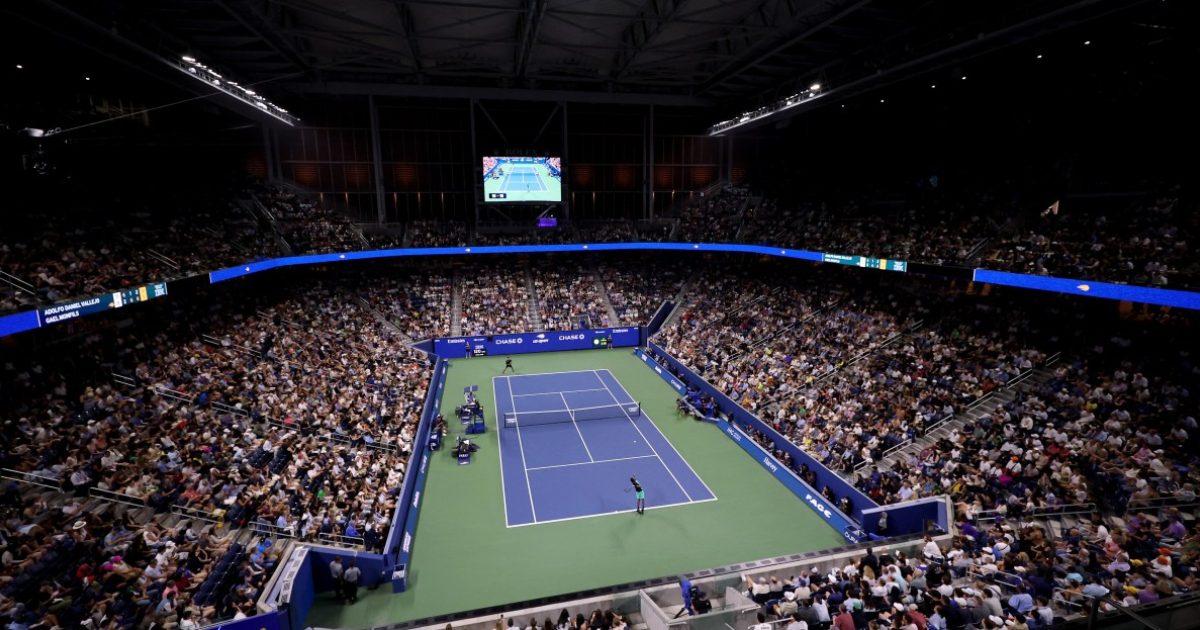
During a match between Naomi Osaka and her opponent Anastasia Zakharova at this year's US Open, a group of influencers positioned in a luxury suite and equipped with photography lighting became a source of disruption significant enough to prompt the match umpire to halt play, repeatedly asking them to quiet down. Elsewhere on the grounds, content creators were seen asking tournament staff to take flash photographs of them while play was in full swing.
The United States Tennis Association revealed that it had nearly doubled the number of accredited content creators this year to almost a hundred influencers, compared to fifty-four the previous year. However, the association clarified that the influencers who caused the match disruption were not among those officially accredited by them.
A Multi-Billion Dollar Market
Influencers have become an integral part of the advertising ecosystem, with advertising spending through content creators in the United States reaching approximately $37 billion in 2025, with projections of it reaching $44 billion by the end of the year. As companies increasingly rely on them to promote their products, what happened at the tournament represents a microcosm of how this reliance can turn into negative outcomes.
It is worth noting that these influencers were doing their job in the way they know: capturing the experience and sharing it with their followers. Regardless of who invited them, they were ultimately contributing to promoting the event to an audience that might not otherwise have cared about it were it not for their presence.
Where Does Responsibility Lie?
Much of the commentary overlooks a fundamental point: influencers are not usually invited to exclusive events like these unless a brand deemed their attendance worthwhile. However disruptive their behavior may be when they occupy more space than necessary, this is conduct that the companies enlisting them should anticipate and set guidelines for.
Experts point out that some brands rushed to preempt any negative reactions by sending "helpful reminders" of tennis match etiquette. It is worth noting that the tournament was stricter before amending its rules in 2024, when it required attendees to remain in their seats until changeover periods. Today, however, spectators can move around freely, with designated areas near the courts.
Although the influencers did not technically break the rules, their impact on the experience of the rest of the attendees was negative. After the videos went viral, the association put up new signage requiring spectators to refrain from using flash photography or disruptive lighting.
When Advertising Turns into a Crisis
The problems were not confined to tennis courts. The golf company Callaway learned the lesson the hard way after an advertisement produced by a channel that had transformed into a sportswear brand sparked a wave of outrage as soon as it was published. The advertisement depicted a scene that many considered offensive and dismissive of violence against women, forcing the company to face the consequences.
The lessons learned from these incidents can be summarized in the following points:
- Capturing and sharing moments is part of a content creator's job, but there are contexts where quiet observation is preferable.
- Brands must clarify the limits of acceptable behavior before involving influencers in events.
- Leaving content creators without guidance may backfire on the brand's own reputation.
- The "main character energy" that attracts followers can become a liability when it exceeds the bounds of propriety.
These incidents reveal that the success of collaboration between companies and influencers rests not merely on reaching a wide audience, but on a conscious management of context and behavior. Blind trust in influencers' ability to behave appropriately is not a guaranteed plan, and ultimate responsibility falls on whoever decided to invite them.
✦ بقلم فريق دروب أيديا
DROPIDEA
We hope this article has added real value to you. At DROPIDEA, we always strive to deliver high-quality content that helps you grow and evolve in the digital space. Follow us for more useful articles and guides.
Tags
Admin
DROPIDEA
Latest Articles
When AI Agents Are Left Without a Task… They Start to Play

inDrive Plans Self-Driving Taxi Trials in Kazakhstan in 2027
Blackstone: AI Buildout Debt Fears Are Overblown
Anthropic Proposes AI Safety Law with Strict Standards