Ir al contenido
ImágenesGratis

Póster editorial gastronómico realista e ilustrado a mano

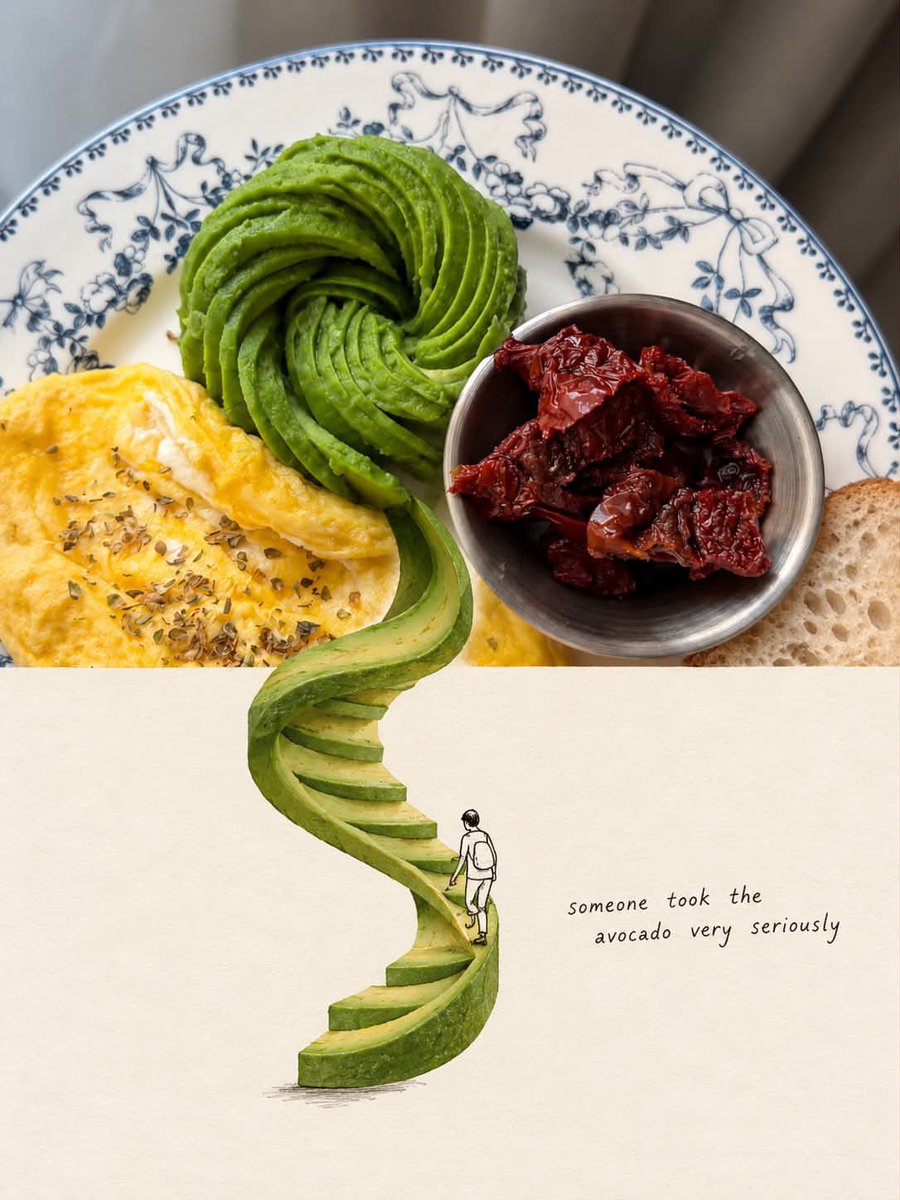
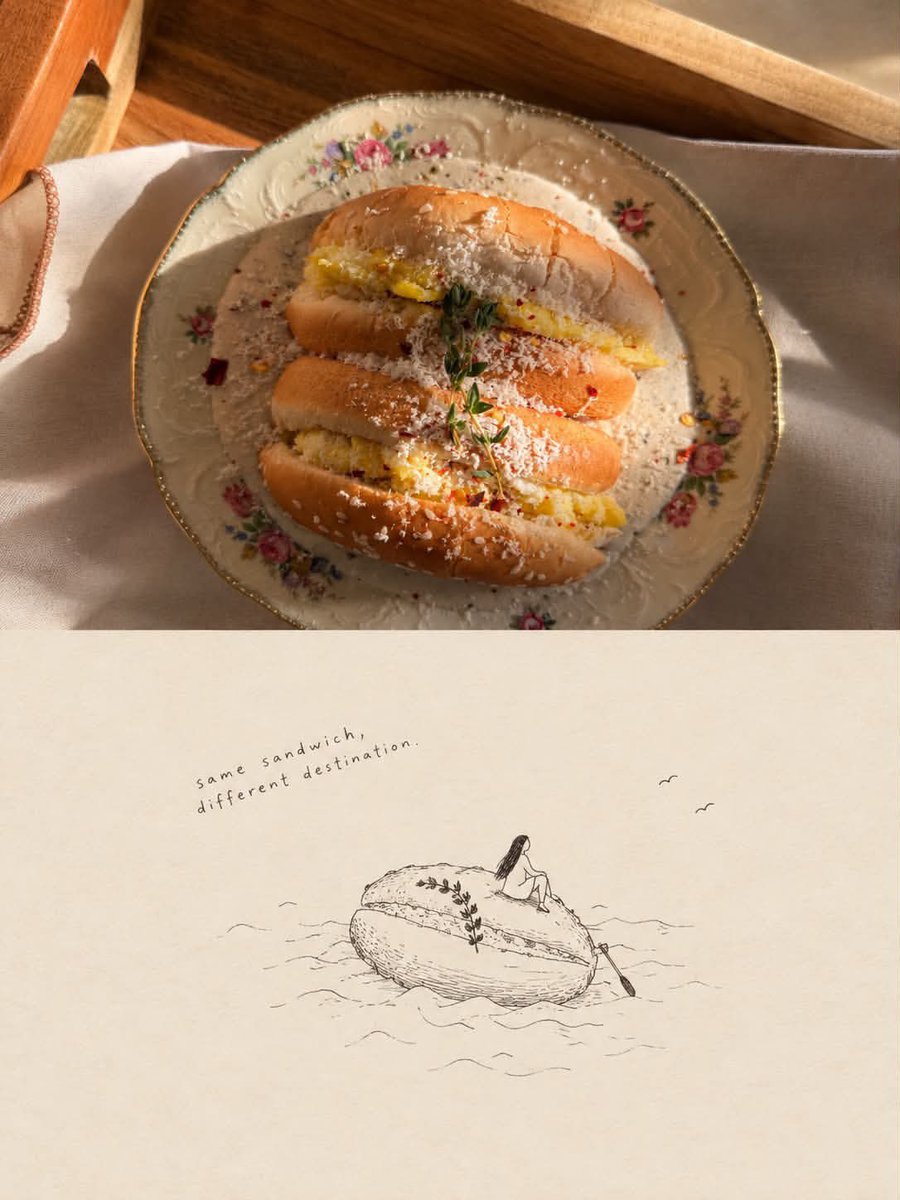
Convierte una foto de comida subida en un póster editorial vertical 3:4: mitad superior fotorrealista con luz cálida de revista premium y mitad inferior dibujada a mano con pequeñas figuras y un ingenioso pie manuscrito, unidos por una transición creativa y fluida.

OpenAI

Ejemplos de la fuente

Estas imágenes provienen de la fuente original. DROPIDEA no ha probado estos ejemplos; los resultados dependen del modelo y los ajustes.
Listo para personalizar

Tu prompt

Inglés

Sustituye las variables en rojo por tus datos. Copia el texto completo y úsalo con tu agente preferido.

TXT MD Versión en inglés
Use the uploaded food photograph as the primary reference and transform it into a vertical 3:4 editorial art poster while preserving the main food, its appearance, composition, colors, textures, and recognizable details. Keep the upper half photorealistic, styled like a premium lifestyle/food magazine photograph: natural warm light, soft realistic shadows, elegant composition, authentic food textures, subtle film grain, vintage photography atmosphere, and a sophisticated cozy aesthetic. In the lower half, seamlessly transform the main food or a visually important element from the photograph into a whimsical hand-drawn scene or surreal miniature world related to the food. Extend, reshape, or reinterpret the food naturally as part of the illustration. Add one or two tiny human figures interacting with it in a charming, imaginative way. Use delicate imperfect ink linework, minimal vintage sketch style, subtle botanical/details, warm ivory paper texture, and plenty of negative space. Create a smooth, creative transition between the realistic photograph and the illustration so they feel like one continuous artwork rather than two separate images. The illustrated scene should tell a simple visual story based on the food and its characteristics. Add a short, witty handwritten caption that relates specifically to the food and the illustrated concept. Use small, understated handwritten typography that feels naturally drawn onto the paper. Overall style: premium editorial food photography + whimsical conceptual illustration + vintage storybook aesthetic + minimalist art direction + warm nostalgic mood. Composition: vertical 3:4, balanced negative space, realistic upper section, illustrated lower section, seamless transition, refined visual hierarchy. Avoid: changing the identity of the food, excessive decoration, clutter, large typography, borders, frames, logos, watermarks, harsh dividing lines, cartoonish 3D graphics, overly saturated colors, or an artificial AI-generated appearance.
Ver resultados

Tu prompt

Use the uploaded food photograph as the primary reference and transform it into a vertical 3:4 editorial art poster while preserving the main food, its appearance, composition, colors, textures, and recognizable details. Keep the upper half photorealistic, styled like a premium lifestyle/food magazine photograph: natural warm light, soft realistic shadows, elegant composition, authentic food textures, subtle film grain, vintage photography atmosphere, and a sophisticated cozy aesthetic. In the lower half, seamlessly transform the main food or a visually important element from the photograph into a whimsical hand-drawn scene or surreal miniature world related to the food. Extend, reshape, or reinterpret the food naturally as part of the illustration. Add one or two tiny human figures interacting with it in a charming, imaginative way. Use delicate imperfect ink linework, minimal vintage sketch style, subtle botanical/details, warm ivory paper texture, and plenty of negative space. Create a smooth, creative transition between the realistic photograph and the illustration so they feel like one continuous artwork rather than two separate images. The illustrated scene should tell a simple visual story based on the food and its characteristics. Add a short, witty handwritten caption that relates specifically to the food and the illustrated concept. Use small, understated handwritten typography that feels naturally drawn onto the paper. Overall style: premium editorial food photography + whimsical conceptual illustration + vintage storybook aesthetic + minimalist art direction + warm nostalgic mood. Composition: vertical 3:4, balanced negative space, realistic upper section, illustrated lower section, seamless transition, refined visual hierarchy. Avoid: changing the identity of the food, excessive decoration, clutter, large typography, borders, frames, logos, watermarks, harsh dividing lines, cartoonish 3D graphics, overly saturated colors, or an artificial AI-generated appearance.

Qué obtienes

  • Un póster artístico vertical 3:4 que combina fotografía realista e ilustración a mano.
  • Mitad superior fotorrealista con luz cálida, sombras suaves y sutil grano de película.
  • Mitad inferior en estilo boceto vintage con pequeñas figuras interactuando con la comida.
  • Una transición fluida y un breve e ingenioso pie manuscrito ligado al concepto.

Casos de uso

  • Publicaciones para redes sociales y cartelería de restaurantes y cafeterías.
  • Cartas, materiales de marketing e identidad visual de marcas gastronómicas.
  • Pósters decorativos e imágenes destacadas para contenido de comida y cocina.
  • Portadas o diseños editoriales de artículos gastronómicos y de estilo de vida.

Cómo usarlo

  • Sube una foto de comida clara y de alta calidad donde el plato sea el protagonista; es la referencia principal obligatoria del póster.
  • Pega la plantilla tal cual en tu herramienta de generación de imágenes favorita sin modificar sus ajustes artísticos.
  • Comprueba que la relación de aspecto esté en vertical 3:4 antes de generar.
  • Revisa el resultado para asegurarte de que la identidad, los colores y los detalles de la comida coincidan con la foto original.
  • Regenera cuando sea necesario hasta lograr una transición fluida y un pie manuscrito adecuado.

Prompts relacionados