Ir al contenido
ImágenesGratis

Transforma un personaje en guardián de limo

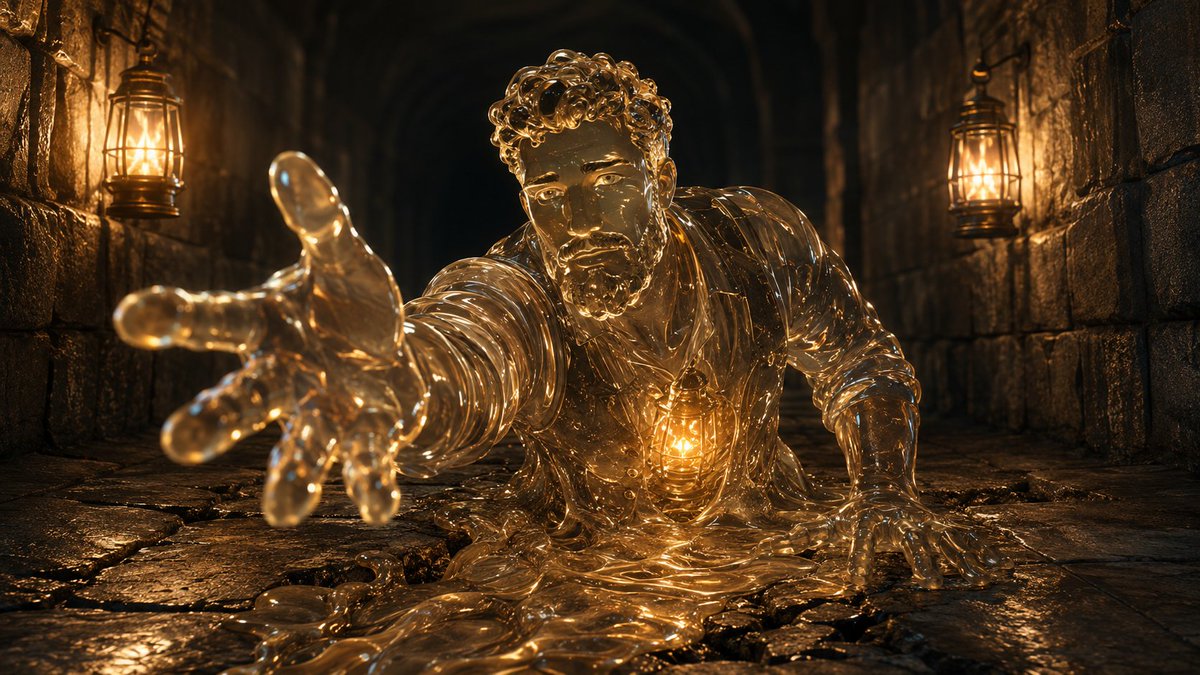
Un prompt de render cinematográfico de alta calidad que convierte un personaje de referencia subido (Image1) en una criatura de limo transparente que emerge de una grieta en un pasillo de piedra iluminado por antorchas, con un núcleo bioluminiscente en el pecho, micro-cáusticas, dispersión subsuperficial y aberración cromática, conservando estrictamente la identidad del personaje y un acabado limpio sin ruido.

Generación de imágenes

Ejemplos de la fuente

Estas imágenes provienen de la fuente original. DROPIDEA no ha probado estos ejemplos; los resultados dependen del modelo y los ajustes.

Listo para personalizar

Tu prompt

Inglés

Sustituye las variables en rojo por tus datos. Copia el texto completo y úsalo con tu agente preferido.

TXT MD Versión en inglés
Mr. Play Astronomical's recent video made me realize that I need to celebrate Ms. Leaflit more. What better way than to turn everyone into slime, um folk? As always, feel free to edit this as you see fit, and please have fun! Rise of Slime Guardian [Prompt Starts Here] Masterpiece-quality | Octane Render | Shallow Depth of Field | 16:9 Aspect Ratio Image1 = primary character reference ALL OF THE FOLLOWING IS LAW, IT IS NOT A SUGGESTION - Render finish is absolute: ultra-clean, polished digital rendering with smooth, continuous tonal transitions, clean airbrushed gradients, broad soft value transitions, refined natural texture only, and a high-fidelity cinematic finish. Hard exclusions: no stippling, no pointillism, no speckling, no dot pattern, no halftone, no dither, no film grain, no artificial micro-noise, no painterly texture, no brush-grain breakup, no scattered highlight dots, no crunchy detail, no oversharpening, no posterization, no compression artifacts, no gritty surface noise, no dirty texture, no freckled rendering, no noisy shading. Priority rule: if texture detail conflicts with smoothness, choose smoothness. If detail conflicts with clean gradients, choose clean gradients. Keep surfaces cohesive, polished, and noise-free. Preserve the referenced characters’ face shapes, hairstyle, hair color, eye color, correct number of limbs and fingers, personality, body language, signature color palette, outfit motifs, species traits, accessories, silhouette, body shape, body proportions, and overall character vibe. If the character has a mask, do not change it. If the character does not have a head, do not invent one. Do not lose character recognizability. Do not turn the character into a generic person or unrelated design. Do not overcrowd the composition. Do not introduce extra characters or duplicates. Do not break anatomy unless clearly justified by the transformation concept. Do not make the scene visually confusing or unreadable. Do not explicitly list or name the hidden influences used. Do not let the environment overpower the character. Extremely clean animation aesthetic. No pointillism, no stippling, no dot textures, no grainy or noisy rendering, no overly soft or blurry edges. All lines are crisp and intentional. All shading transitions are controlled and professional. High contrast with excellent form definition. Cinematic composition language with strong emotional intensity conveyed purely through rendering and lighting choices. In a stone hallway, using strong Chiaroscuro Shading, a slime version of Image1 will emerge from the floor. Image1 must not take up more than 75% of the image. There must not be any flesh drawn. Image1 must entirely be slime. There must not be any flesh, hair, or skin. The stone hallway will use Image1 to determine the type of stone, the grout in between the stone, and the caustics from the torchlight. There will be a single torch on each wall. These torches will be determined by Image1 for the shape and will be the only sources of light in the image. Micro-caustics will be in the Image1 will be rising from a crack in the floor as a slime. Image1 will only emerge from the waist up. Image1 will be transparent and use Image1 for the color scheme. The light from the torches will shine through Image1. Buried deep within the chest of Image1 will be a core. The shape of the core will be determined by Image1 and will have a soft Bioluminescent Refraction. Micro-caustics will be present throughout Image1. Within Image1 will be Volumetric Dispersion with Subsurface Scattering. The bulk of the slime on the floor will have Specular Highlight Distortions where the torchlight hits. Image1 will be dragging themselves from the crack and crawling forward toward the camera, with a hand extended toward the camera. Image1 will have an eager expression on their face. Where the torchlight reflects off of Image1, there will be a strong Chromatic Aberration effect using the color scheme of Image1. [Prompt Ends Here] #promptoftheday #AI #AiArt #Art #PromptEngineering #CharacterDesign #DigitalArt #CommunityPrompt #SCU #Skyebros
Ver resultados

Tu prompt

Mr. Play Astronomical's recent video made me realize that I need to celebrate Ms. Leaflit more. What better way than to turn everyone into slime, um folk? As always, feel free to edit this as you see fit, and please have fun! Rise of Slime Guardian [Prompt Starts Here] Masterpiece-quality | Octane Render | Shallow Depth of Field | 16:9 Aspect Ratio Image1 = primary character reference ALL OF THE FOLLOWING IS LAW, IT IS NOT A SUGGESTION - Render finish is absolute: ultra-clean, polished digital rendering with smooth, continuous tonal transitions, clean airbrushed gradients, broad soft value transitions, refined natural texture only, and a high-fidelity cinematic finish. Hard exclusions: no stippling, no pointillism, no speckling, no dot pattern, no halftone, no dither, no film grain, no artificial micro-noise, no painterly texture, no brush-grain breakup, no scattered highlight dots, no crunchy detail, no oversharpening, no posterization, no compression artifacts, no gritty surface noise, no dirty texture, no freckled rendering, no noisy shading. Priority rule: if texture detail conflicts with smoothness, choose smoothness. If detail conflicts with clean gradients, choose clean gradients. Keep surfaces cohesive, polished, and noise-free. Preserve the referenced characters’ face shapes, hairstyle, hair color, eye color, correct number of limbs and fingers, personality, body language, signature color palette, outfit motifs, species traits, accessories, silhouette, body shape, body proportions, and overall character vibe. If the character has a mask, do not change it. If the character does not have a head, do not invent one. Do not lose character recognizability. Do not turn the character into a generic person or unrelated design. Do not overcrowd the composition. Do not introduce extra characters or duplicates. Do not break anatomy unless clearly justified by the transformation concept. Do not make the scene visually confusing or unreadable. Do not explicitly list or name the hidden influences used. Do not let the environment overpower the character. Extremely clean animation aesthetic. No pointillism, no stippling, no dot textures, no grainy or noisy rendering, no overly soft or blurry edges. All lines are crisp and intentional. All shading transitions are controlled and professional. High contrast with excellent form definition. Cinematic composition language with strong emotional intensity conveyed purely through rendering and lighting choices. In a stone hallway, using strong Chiaroscuro Shading, a slime version of Image1 will emerge from the floor. Image1 must not take up more than 75% of the image. There must not be any flesh drawn. Image1 must entirely be slime. There must not be any flesh, hair, or skin. The stone hallway will use Image1 to determine the type of stone, the grout in between the stone, and the caustics from the torchlight. There will be a single torch on each wall. These torches will be determined by Image1 for the shape and will be the only sources of light in the image. Micro-caustics will be in the Image1 will be rising from a crack in the floor as a slime. Image1 will only emerge from the waist up. Image1 will be transparent and use Image1 for the color scheme. The light from the torches will shine through Image1. Buried deep within the chest of Image1 will be a core. The shape of the core will be determined by Image1 and will have a soft Bioluminescent Refraction. Micro-caustics will be present throughout Image1. Within Image1 will be Volumetric Dispersion with Subsurface Scattering. The bulk of the slime on the floor will have Specular Highlight Distortions where the torchlight hits. Image1 will be dragging themselves from the crack and crawling forward toward the camera, with a hand extended toward the camera. Image1 will have an eager expression on their face. Where the torchlight reflects off of Image1, there will be a strong Chromatic Aberration effect using the color scheme of Image1. [Prompt Ends Here] #promptoftheday #AI #AiArt #Art #PromptEngineering #CharacterDesign #DigitalArt #CommunityPrompt #SCU #Skyebros

Guía de variables

Image1

La imagen de referencia principal del personaje que se convertirá en limo; súbela como primera imagen para que el prompt derive de ella la forma, los colores, el núcleo, las antorchas y el tipo de piedra.

Literalmente como Image1 en la línea 'Image1 = primary character reference' y en todo el prompt; no reemplaces el texto, solo adjunta tu imagen de referencia.

Valor de ejemplo

Una imagen de un personaje de dibujo animado con colores distintivos

stone hallway

La ubicación creativa editable donde aparece el personaje.

En 'In a stone hallway, using strong Chiaroscuro Shading...' y en 'The stone hallway will use Image1...'.

Valor de ejemplo

stone hallway

Qué obtienes

  • Una imagen 16:9 de tu personaje de referencia transformado por completo en limo transparente sin carne, pelo ni piel.
  • Iluminación dramática de claroscuro con una antorcha por pared en un pasillo de piedra derivado de los colores de la referencia.
  • Un núcleo bioluminiscente dentro del pecho del limo con dispersión volumétrica, dispersión subsuperficial, micro-cáusticas y aberración cromática en los reflejos.
  • Un acabado digital pulido y limpio sin grano, estarcido ni texturas de puntos, con líneas nítidas y sombreado controlado.

Casos de uso

  • Convertir tus personajes originales (OC) en versiones de limo para explorar diseño de personajes.
  • Crear miniaturas o fondos dramáticos para canales de juegos y narración.
  • Visualizar conceptos de transformación mágica en historias visuales o webcomics.
  • Producir contenido para comunidades de arte con IA como retos diarios de prompts.

Cómo usarlo

  • Sube una imagen de referencia clara de tu personaje como primera imagen (Image1) en una herramienta de generación con soporte de referencias y establécela como referencia principal del personaje.
  • Copia todo el texto del prompt entre [Prompt Starts Here] y [Prompt Ends Here] y pégalo sin alterar los tokens técnicos.
  • Si lo deseas, edita solo la ubicación creativa (stone hallway) manteniendo intactos los ajustes técnicos como la proporción 16:9 y Octane Render.
  • Genera la imagen y verifica que el personaje aparezca de la cintura hacia arriba como limo transparente con un núcleo brillante y que no ocupe más del 75% de la imagen.
  • Repite la generación según sea necesario para equilibrar las cáusticas y el brillo respetando la regla de suavidad sin grano ni ruido.

Prompts relacionados