Ir al contenido
ImágenesGratis

"Roman Gofman as the next chief of Mossad: Predictive Analysis" https://t.co/Q6AvufUcg0 AI Overview Based on recent reports from A

"Roman Gofman as the next chief of Mossad: Predictive Analysis" https://t.co/Q6AvufUcg0 AI Overview Based on recent reports from A

Generación de imágenes

Ejemplos de la fuente

Estas imágenes provienen de la fuente original. DROPIDEA no ha probado estos ejemplos; los resultados dependen del modelo y los ajustes.

Listo para personalizar

Tu prompt

Texto original

Sustituye las variables en rojo por tus datos. Copia el texto completo y úsalo con tu agente preferido.

TXT MD Versión en inglés
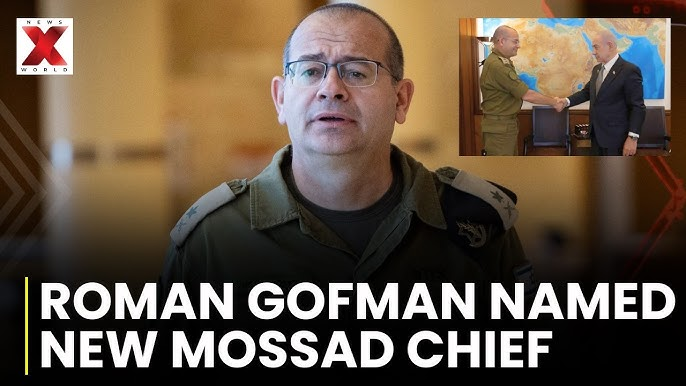
"Roman Gofman as the next chief of Mossad: Predictive Analysis" https://t.co/Q6AvufUcg0 AI Overview Based on recent reports from April 2026, Prime Minister Benjamin Netanyahu has appointed Maj. Gen. Roman Gofman as the next Director of Mossad, set to take office on June 2, 2026, replacing outgoing director David Barnea. Gofman, currently serving as Netanyahu’s military secretary, will become one of the first Mossad chiefs to rise from a direct military background rather than internal intelligence ranks, signaling a significant shift toward a more aggressive, field-oriented agency. Here is a predictive analysis of Gofman's leadership based on his career background and the context of his appointment: 1. Shift Toward Military-Operational Focus The "Outsider" Approach: Gofman is a classic field commander who rose through the Armored Corps, not a career spy who grew up inside the Mossad organization. This mirrors the appointment of Meir Dagan, who also came from the outside and, like Gofman, was seen as an aggressive, decisive commander. Aggressive Stance on Adversaries: Gofman is characterized as someone who favors daring moves to create opportunities. He has advocated for greater frequency in utilizing ground forces, and his leadership is likely to increase the use of covert, direct action against threats like Iran and Hezbollah. Wartime Leadership Profile: Seriously wounded while fighting Hamas terrorists on October 7, 2023, Gofman represents a "combat-hardened" leadership style that directly reflects the demands of Israel's current multi-front conflict. 2. Alignment with Netanyahu High Trust and Loyalty: Gofman developed an unusually close relationship with Netanyahu as his military secretary following the October 7 failure. His appointment signals that Netanyahu wants a loyal, trusted confidant in charge of the country's most sensitive intelligence agency, rather than a bureaucratic insider. "Outside the Box" Strategy: Netanyahu has praised Gofman as "bold and creative," indicating a preference for unconventional intelligence approaches and a break from the establishment strategies that failed to prevent the October 7 attack. 3. Key Challenges and Controversies Internal Agency Resistance: Gofman is expected to encounter opposition within the Mossad, which historically values insider leadership and high-level espionage experience. Past Controversies: Gofman’s past record includes a command-level reprimand regarding a 2022 incident where he approved the use of a minor for an influence operation. His appointment faced opposition due to this and allegations of providing inaccurate information during a later investigation, which could create challenges regarding his oversight of ethical and legal issues in operations. Lack of Intelligence Background: Critics may point to his lack of experience in managing large-scale intelligence agencies and the nuances of complex global espionage, as opposed to direct battlefield action. 4. Strategic Outlook (Post-June 2026) Regional Reorganization: Gofman is likely to pivot the Mossad toward a greater focus on aggressive "influence operations" and using the agency's technological power for destabilizing adversaries internally. Integration with Military Intelligence: As a former division commander and military secretary, Gofman will likely tighten the operational integration between the IDF and Mossad, breaking down some of the traditional barriers between foreign intelligence and direct military action. Conclusion: Gofman's appointment represents a "revolution" in the lineup of Israeli defense leadership, bringing a "rough" field commander into a role usually reserved for polished intelligence officers. The success of his tenure will depend on whether his combat-proven daring is effectively translated into clandestine intelligence success. AI responses may include mistakes. See Also: https://t.co/85tqKNi7Oj https://t.co/srTq41Lcs5 https://t.co/flwi2uk40K
Ver resultados

Tu prompt

"Roman Gofman as the next chief of Mossad: Predictive Analysis" https://t.co/Q6AvufUcg0 AI Overview Based on recent reports from April 2026, Prime Minister Benjamin Netanyahu has appointed Maj. Gen. Roman Gofman as the next Director of Mossad, set to take office on June 2, 2026, replacing outgoing director David Barnea. Gofman, currently serving as Netanyahu’s military secretary, will become one of the first Mossad chiefs to rise from a direct military background rather than internal intelligence ranks, signaling a significant shift toward a more aggressive, field-oriented agency. Here is a predictive analysis of Gofman's leadership based on his career background and the context of his appointment: 1. Shift Toward Military-Operational Focus The "Outsider" Approach: Gofman is a classic field commander who rose through the Armored Corps, not a career spy who grew up inside the Mossad organization. This mirrors the appointment of Meir Dagan, who also came from the outside and, like Gofman, was seen as an aggressive, decisive commander. Aggressive Stance on Adversaries: Gofman is characterized as someone who favors daring moves to create opportunities. He has advocated for greater frequency in utilizing ground forces, and his leadership is likely to increase the use of covert, direct action against threats like Iran and Hezbollah. Wartime Leadership Profile: Seriously wounded while fighting Hamas terrorists on October 7, 2023, Gofman represents a "combat-hardened" leadership style that directly reflects the demands of Israel's current multi-front conflict. 2. Alignment with Netanyahu High Trust and Loyalty: Gofman developed an unusually close relationship with Netanyahu as his military secretary following the October 7 failure. His appointment signals that Netanyahu wants a loyal, trusted confidant in charge of the country's most sensitive intelligence agency, rather than a bureaucratic insider. "Outside the Box" Strategy: Netanyahu has praised Gofman as "bold and creative," indicating a preference for unconventional intelligence approaches and a break from the establishment strategies that failed to prevent the October 7 attack. 3. Key Challenges and Controversies Internal Agency Resistance: Gofman is expected to encounter opposition within the Mossad, which historically values insider leadership and high-level espionage experience. Past Controversies: Gofman’s past record includes a command-level reprimand regarding a 2022 incident where he approved the use of a minor for an influence operation. His appointment faced opposition due to this and allegations of providing inaccurate information during a later investigation, which could create challenges regarding his oversight of ethical and legal issues in operations. Lack of Intelligence Background: Critics may point to his lack of experience in managing large-scale intelligence agencies and the nuances of complex global espionage, as opposed to direct battlefield action. 4. Strategic Outlook (Post-June 2026) Regional Reorganization: Gofman is likely to pivot the Mossad toward a greater focus on aggressive "influence operations" and using the agency's technological power for destabilizing adversaries internally. Integration with Military Intelligence: As a former division commander and military secretary, Gofman will likely tighten the operational integration between the IDF and Mossad, breaking down some of the traditional barriers between foreign intelligence and direct military action. Conclusion: Gofman's appointment represents a "revolution" in the lineup of Israeli defense leadership, bringing a "rough" field commander into a role usually reserved for polished intelligence officers. The success of his tenure will depend on whether his combat-proven daring is effectively translated into clandestine intelligence success. AI responses may include mistakes. See Also: https://t.co/85tqKNi7Oj https://t.co/srTq41Lcs5 https://t.co/flwi2uk40K

Prompts relacionados