Ir al contenido
ImágenesGratis

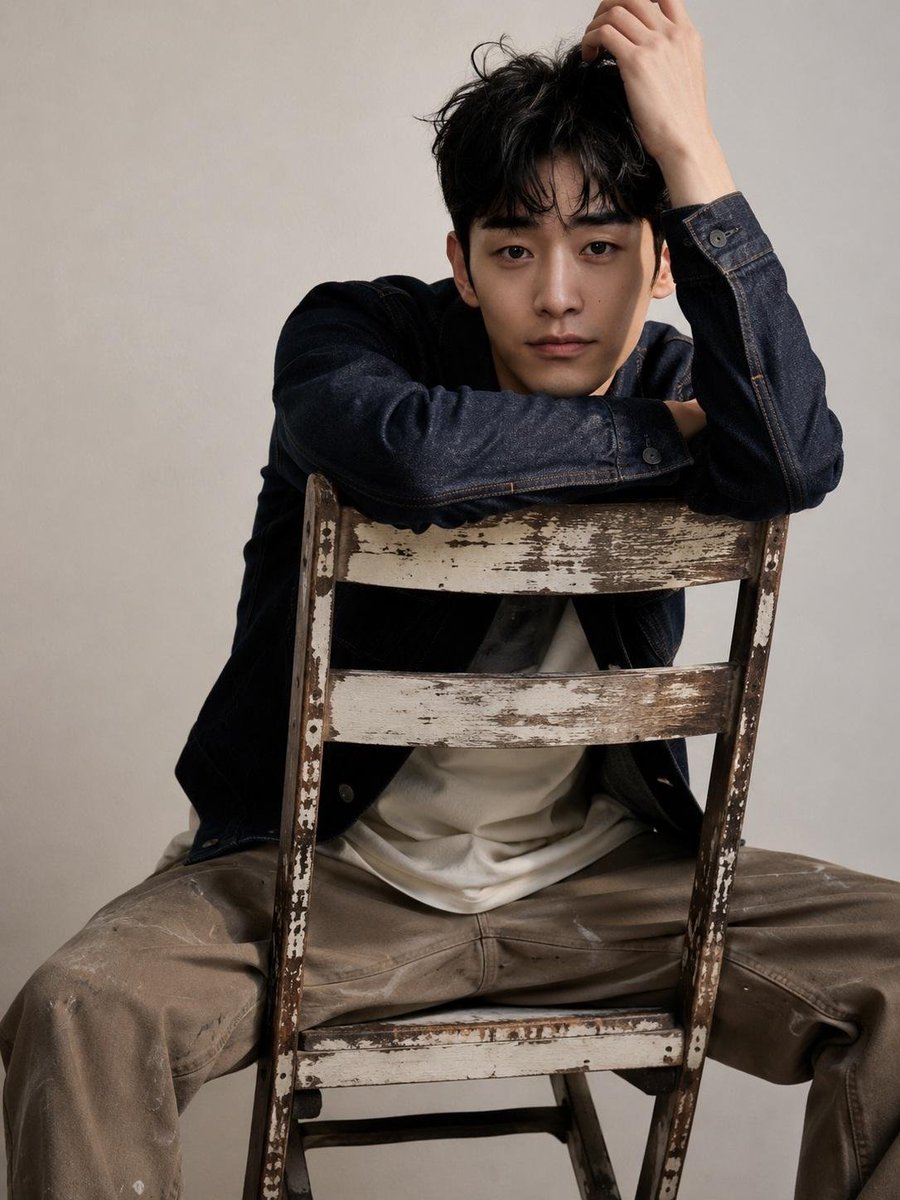
Retrato de moda de estudio sobrio con recorte vertical

Retrato de estudio vertical 736:981 de una figura adulta sentada tras una silla plegable de madera desgastada que oculta el torso, con una luz direccional desde la derecha de cámara, sombras profundas, proporciones corporales definidas y coordenadas exactas de pose con la mano alzada y los pies recortados en los bordes.

OpenAI

Ejemplos de la fuente

Estas imágenes provienen de la fuente original. DROPIDEA no ha probado estos ejemplos; los resultados dependen del modelo y los ajustes.
Listo para personalizar

Tu prompt

Inglés

Sustituye las variables en rojo por tus datos. Copia el texto completo y úsalo con tu agente preferido.

TXT MD Versión en inglés
Create a restrained studio fashion portrait with an exact vertical aspect ratio of 736:981 in a full-body vertical crop. The raised hand above the head is physically cropped by the top edge with 0% headroom, and both feet are cropped by the bottom edge. Position the subject slightly right of center, occupying approximately 83% of the frame. Leave the largest negative space as a warm off-white wall covering about 24% of the frame from the upper-left to middle-left. Place a worn wooden folding chair in the center foreground, vertically dividing the composition and partially obscuring the torso and pelvis. Use a camera positioned approximately at eye level with a 3–5° downward tilt. The torso angles diagonally away from the camera while the face turns back toward the lens. The subject looks directly into the camera beneath low, heavy eyelids. Use a medium camera distance with a mild telephoto portrait-lens perspective. Avoid wide-angle distortion, oversized head perspective, and noticeable camera roll. Pose: The subject sits behind the chair, leaning deeply over the chair back. The shoulder line descends diagonally toward the lower right. One elbow presses firmly on the top rail of the chair back for support, with the forearm crossing beneath the face. The opposite arm bends upward, with the palm gripping the hair above the crown. The pelvis sits low behind the chair. Both knees are spread wide and cropped by the bottom of the frame. Weight is naturally supported through the chair, the supporting elbow, and the seated pelvis, maintaining realistic spinal and wrist alignment. Use one old wooden folding chair with chipped white paint, dark brown wood, two horizontal back slats, and a visible seat. Approximate placement: x23–66, y39–96, occupying about 31% of the frame. The chair remains in front of the subject, obscuring the center torso and pelvis. Pose anchors: head center x48 y16; raised hand x43 y2 (cropped by top edge); elbow touching chair back x37 y36; wrist beneath face x48 y30; left knee x16 y76; right knee x84 y78; both feet cropped. Depth order: foreground—chair and arms; focus plane—face, upper torso, chair back; mid-ground—spread thighs; background—plain warm gray off-white studio wall. Use an adult editorial long-line silhouette with visible proportions of approximately 18% head width, 19% head height, and 52% shoulder width. The neck remains visible but partially compressed by the folded posture. Maintain a relatively small head, mature skeletal structure, long forearms, high natural waist and pelvis, and long thighs. The lower body is partially hidden by the chair and crop. Never invent unseen calves or feet. If the target image lacks body information, use these adult proportions. Never produce infantilized proportions, oversized heads, short legs, or unusually small hands or feet. Illuminate the scene with one directional studio light from camera-right. Brightest areas are the right side of the face, right ridge of the nose, upper forehead, and the chipped white paint on the chair's right side. Preserve deep shadows around the left eye socket, left temple, and lower left face. Maintain warm beige skin tones with cool indigo clothing and cool gray-brown shadows. Bloom is essentially zero. Keep the image sharp with no meaningful blur. Do not introduce motion smear, double edges, optical defocus, or halation. Exposure behaves like a spatial mask: the wall at x0–30 remains high-key warm off-white; the left half of the face (x39–48) stays in shadow; the right cheekbone and forehead (x50–61) receive localized highlights. Dark clothing remains at least two tonal stops darker than
Ver resultados

Tu prompt

Create a restrained studio fashion portrait with an exact vertical aspect ratio of 736:981 in a full-body vertical crop. The raised hand above the head is physically cropped by the top edge with 0% headroom, and both feet are cropped by the bottom edge. Position the subject slightly right of center, occupying approximately 83% of the frame. Leave the largest negative space as a warm off-white wall covering about 24% of the frame from the upper-left to middle-left. Place a worn wooden folding chair in the center foreground, vertically dividing the composition and partially obscuring the torso and pelvis. Use a camera positioned approximately at eye level with a 3–5° downward tilt. The torso angles diagonally away from the camera while the face turns back toward the lens. The subject looks directly into the camera beneath low, heavy eyelids. Use a medium camera distance with a mild telephoto portrait-lens perspective. Avoid wide-angle distortion, oversized head perspective, and noticeable camera roll. Pose: The subject sits behind the chair, leaning deeply over the chair back. The shoulder line descends diagonally toward the lower right. One elbow presses firmly on the top rail of the chair back for support, with the forearm crossing beneath the face. The opposite arm bends upward, with the palm gripping the hair above the crown. The pelvis sits low behind the chair. Both knees are spread wide and cropped by the bottom of the frame. Weight is naturally supported through the chair, the supporting elbow, and the seated pelvis, maintaining realistic spinal and wrist alignment. Use one old wooden folding chair with chipped white paint, dark brown wood, two horizontal back slats, and a visible seat. Approximate placement: x23–66, y39–96, occupying about 31% of the frame. The chair remains in front of the subject, obscuring the center torso and pelvis. Pose anchors: head center x48 y16; raised hand x43 y2 (cropped by top edge); elbow touching chair back x37 y36; wrist beneath face x48 y30; left knee x16 y76; right knee x84 y78; both feet cropped. Depth order: foreground—chair and arms; focus plane—face, upper torso, chair back; mid-ground—spread thighs; background—plain warm gray off-white studio wall. Use an adult editorial long-line silhouette with visible proportions of approximately 18% head width, 19% head height, and 52% shoulder width. The neck remains visible but partially compressed by the folded posture. Maintain a relatively small head, mature skeletal structure, long forearms, high natural waist and pelvis, and long thighs. The lower body is partially hidden by the chair and crop. Never invent unseen calves or feet. If the target image lacks body information, use these adult proportions. Never produce infantilized proportions, oversized heads, short legs, or unusually small hands or feet. Illuminate the scene with one directional studio light from camera-right. Brightest areas are the right side of the face, right ridge of the nose, upper forehead, and the chipped white paint on the chair's right side. Preserve deep shadows around the left eye socket, left temple, and lower left face. Maintain warm beige skin tones with cool indigo clothing and cool gray-brown shadows. Bloom is essentially zero. Keep the image sharp with no meaningful blur. Do not introduce motion smear, double edges, optical defocus, or halation. Exposure behaves like a spatial mask: the wall at x0–30 remains high-key warm off-white; the left half of the face (x39–48) stays in shadow; the right cheekbone and forehead (x50–61) receive localized highlights. Dark clothing remains at least two tonal stops darker than

Guía de variables

old wooden folding chair with chipped white paint, dark brown wood, two horizontal back slats, and a visible seat

Descripción de la silla que actúa como elemento en primer plano y oculta el torso; edítala para cambiar el tipo de silla manteniendo su ubicación x23–66, y39–96.

Tercer párrafo, la frase que comienza "Use one old wooden folding chair..." — sustituye la descripción completa entre "one" y el punto.

Valor de ejemplo

una silla plegable metálica industrial con pintura gris descascarada, un listón horizontal trasero y asiento visible

warm off-white wall

Color de la pared del estudio que ocupa el mayor espacio negativo; también aparece en el orden de profundidad y en el párrafo de exposición, así que actualiza las tres apariciones.

Primer párrafo, la frase "Leave the largest negative space as a warm off-white wall...", junto con las menciones de la pared en el tercer y último párrafo.

Valor de ejemplo

pared gris claro cálida

cool indigo clothing

Color frío de la ropa en contraste con los tonos cálidos de piel beige.

Párrafo de iluminación, la frase "cool indigo clothing".

Valor de ejemplo

ropa verde oliva oscura

Qué obtienes

  • Un retrato de moda vertical 736:981 con recorte de cuerpo completo
  • Una figura adulta sentada tras una silla plegable de madera que divide la composición y oculta torso y pelvis
  • Una luz de estudio direccional desde la derecha de cámara con sombras profundas en el lado izquierdo
  • Un espacio negativo cálido arriba a la izquierda y proporciones adultas de líneas largas
  • Una imagen nítida sin desenfoque, bloom, arrastre de movimiento ni bordes dobles

Casos de uso

  • Imágenes de moda editorial para revistas y lookbooks
  • Referencias de pose e iluminación para fotografía e ilustración
  • Contenido visual para marcas de moda y redes sociales

Cómo usarlo

  • Copia el prompt completo en una herramienta de generación de imágenes que respete proporciones y coordenadas.
  • Si deseas cambios, edita solo los valores creativos editables (descripción de la silla, color de pared, color de ropa) y conserva intactos todos los números y ajustes técnicos.
  • Si tu herramienta admite imágenes de referencia, sube una que muestre cuerpo y vestimenta; sin información corporal, el prompt usa las proporciones adultas definidas.
  • Tras generar, verifica que la mano alzada y ambos pies queden recortados en los bordes superior e inferior y que la silla siga cubriendo el torso.

Prompts relacionados