Ir al contenido
ImágenesGratis

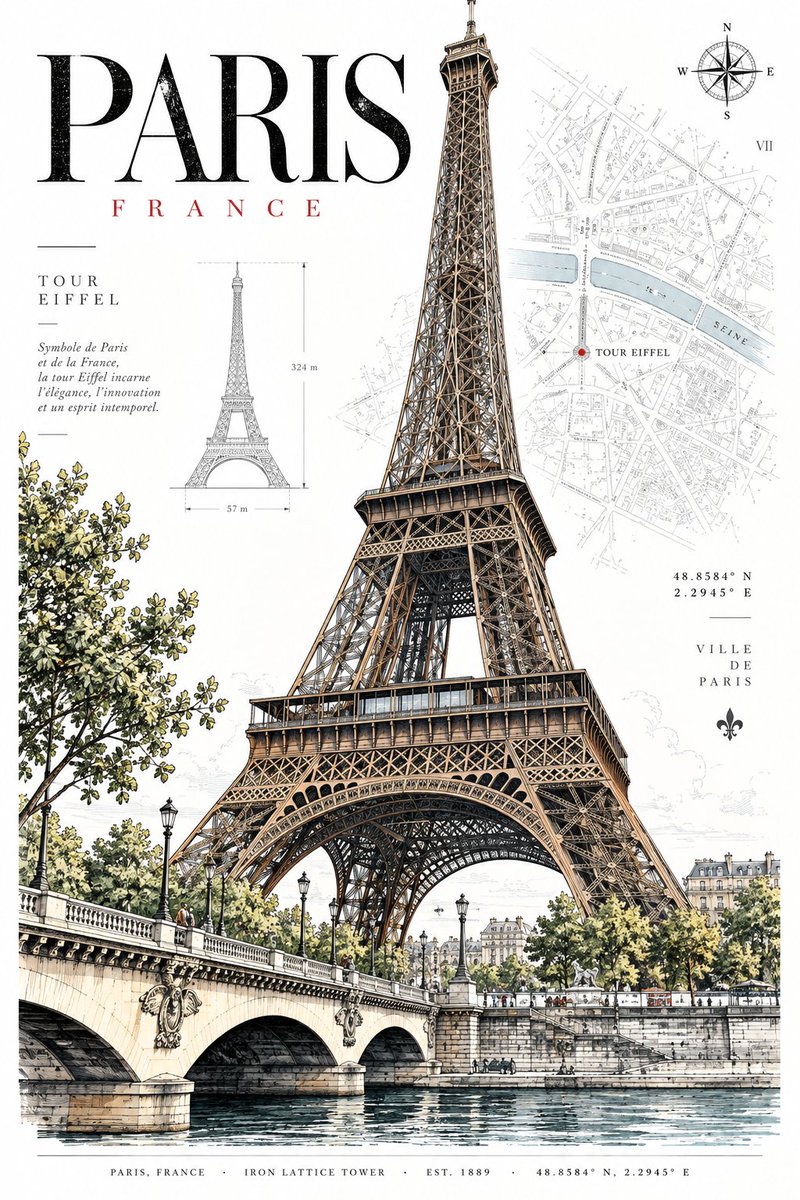
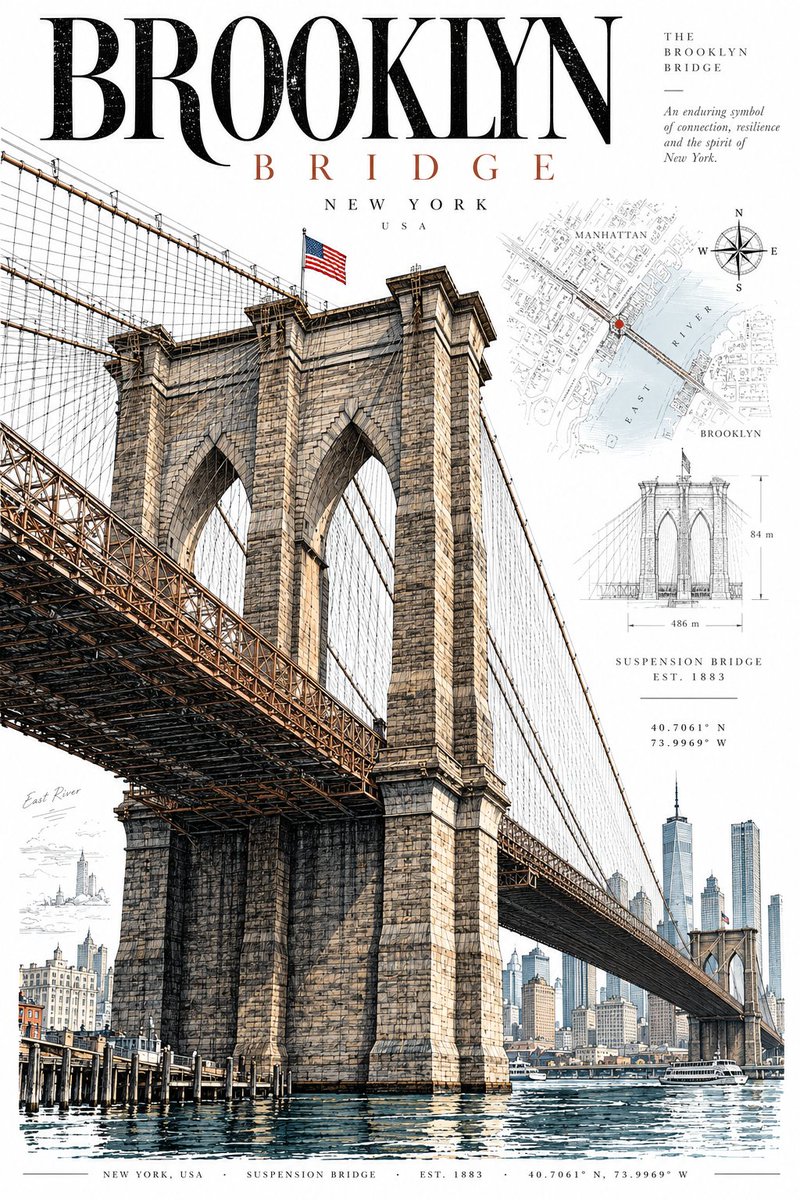
Postal de Viaje Arquitectónica de Alta Gama

Genera postales de viaje arquitectónicas sofisticadas y con calidad de museo mediante dibujo a pluma y tinta, paletas planas mínimas y diseño editorial.

OpenAI

Ejemplos de la fuente

Estas imágenes provienen de la fuente original. DROPIDEA no ha probado estos ejemplos; los resultados dependen del modelo y los ajustes.

Listo para personalizar

Tu prompt

Inglés

Sustituye las variables en rojo por tus datos. Copia el texto completo y úsalo con tu agente preferido.

TXT MD Versión en inglés
DESTINATION: [DESTINATION] Create a sophisticated vertical 2:3 architectural travel postcard featuring [DESTINATION]. STYLE Premium contemporary editorial postcard with subtle vintage influence. Combine precise architectural pen-and-ink illustration, restrained travel graphics, archival details, and modern graphic design. The result should feel cultured, timeless, architectural, and collectible—not like a tourist souvenir. MAIN SUBJECT Feature ONE iconic building, monument, structure, street façade, or architectural landmark strongly associated with [DESTINATION]. Make it the clear visual hero, shown from a believable three-quarter or slightly dramatic architectural perspective. No landmark collage. ILLUSTRATION Use exceptionally fine black or dark graphite linework, detailed architectural hatching, accurate proportions, and subtle hand-drawn imperfections. Include recognizable structural details such as windows, façades, roofs, columns, or ornaments where appropriate. COLOR Keep much of the architecture as line art with selective flat color using only 2–4 destination-specific tones. Colors should be sophisticated and slightly muted. Avoid gradients, glossy rendering, photorealism, excessive beige, and muddy sepia. BACKGROUND Use a clean pure white background with subtle archival elements such as faint maps, street plans, coordinates, contour lines, architectural diagrams, or minimal local-language annotations. Keep these elements secondary and lightly faded. COMPOSITION Vertical 2:3 format, with the landmark occupying roughly 60–75% of the artwork. Use generous negative space and an asymmetric editorial layout. Allow tasteful cropping when it improves the composition. TYPOGRAPHY Add restrained typography: [LOCAL NAME] [DESTINATION] Use elegant architectural or museum-catalogue-inspired typography. Add a tiny bottom information strip with relevant details such as CITY / COUNTRY · ARCHITECTURE · EST. YEAR · COORDINATES. DETAILS & MOOD Add only a few tiny contextual elements—people, bicycles, trees, lamps, vehicles, or street details—when appropriate, mainly to establish scale. Mood: quiet urban sophistication, cultural authenticity, history, and refined design. AVOID Tourist clichés, cartoon styling, fake architecture, landmark collages, giant typography, excessive decoration, heavy vintage filters, fake stamps, clutter, 3D rendering, and unnecessary text. FINAL GOAL: A timeless, highly detailed, premium architectural postcard that feels like a museum-shop collectible or contemporary design print.
Ver resultados

Tu prompt

DESTINATION: [DESTINATION] Create a sophisticated vertical 2:3 architectural travel postcard featuring [DESTINATION]. STYLE Premium contemporary editorial postcard with subtle vintage influence. Combine precise architectural pen-and-ink illustration, restrained travel graphics, archival details, and modern graphic design. The result should feel cultured, timeless, architectural, and collectible—not like a tourist souvenir. MAIN SUBJECT Feature ONE iconic building, monument, structure, street façade, or architectural landmark strongly associated with [DESTINATION]. Make it the clear visual hero, shown from a believable three-quarter or slightly dramatic architectural perspective. No landmark collage. ILLUSTRATION Use exceptionally fine black or dark graphite linework, detailed architectural hatching, accurate proportions, and subtle hand-drawn imperfections. Include recognizable structural details such as windows, façades, roofs, columns, or ornaments where appropriate. COLOR Keep much of the architecture as line art with selective flat color using only 2–4 destination-specific tones. Colors should be sophisticated and slightly muted. Avoid gradients, glossy rendering, photorealism, excessive beige, and muddy sepia. BACKGROUND Use a clean pure white background with subtle archival elements such as faint maps, street plans, coordinates, contour lines, architectural diagrams, or minimal local-language annotations. Keep these elements secondary and lightly faded. COMPOSITION Vertical 2:3 format, with the landmark occupying roughly 60–75% of the artwork. Use generous negative space and an asymmetric editorial layout. Allow tasteful cropping when it improves the composition. TYPOGRAPHY Add restrained typography: [LOCAL NAME] [DESTINATION] Use elegant architectural or museum-catalogue-inspired typography. Add a tiny bottom information strip with relevant details such as CITY / COUNTRY · ARCHITECTURE · EST. YEAR · COORDINATES. DETAILS & MOOD Add only a few tiny contextual elements—people, bicycles, trees, lamps, vehicles, or street details—when appropriate, mainly to establish scale. Mood: quiet urban sophistication, cultural authenticity, history, and refined design. AVOID Tourist clichés, cartoon styling, fake architecture, landmark collages, giant typography, excessive decoration, heavy vintage filters, fake stamps, clutter, 3D rendering, and unnecessary text. FINAL GOAL: A timeless, highly detailed, premium architectural postcard that feels like a museum-shop collectible or contemporary design print.

Guía de variables

[DESTINATION]

El nombre de la ciudad o destino turístico deseado

Primera línea del prompt y en las secciones de tema y tipografía

Valor de ejemplo

Kyoto, Japan

[LOCAL NAME]

El nombre en el idioma local o nativo del monumento o destino

Dentro de la sección TYPOGRAPHY

Valor de ejemplo

京都

Qué obtienes

  • Ilustración arquitectónica detallada a pluma y tinta con perspectiva creíble.
  • Composición editorial con toques de fondo de estilo archivo o cartografía tenue.
  • Paleta de color plana y sofisticada limitada a 2–4 tonos propios del lugar.
  • Diseño limpio y coleccionable libre de clichés turísticos convencionales.

Casos de uso

  • Creación de postales coleccionables y láminas artísticas para tiendas de diseño.
  • Ilustraciones editoriales para guías de viaje selectas y revistas de arquitectura.
  • Identidad visual y papelería para hoteles boutique y proyectos patrimoniales.

Cómo usarlo

  • Sustituye [DESTINATION] por la ciudad o destino arquitectónico deseado.
  • Sustituye [LOCAL NAME] por el nombre en el idioma local de la ciudad o monumento en la sección de tipografía.
  • Configura la relación de aspecto de tu generador de imágenes en 2:3 vertical.
  • Ejecuta el prompt para obtener una lámina o postal con calidad de tienda de museo.

Prompts relacionados