Ir al contenido
ImágenesGratis

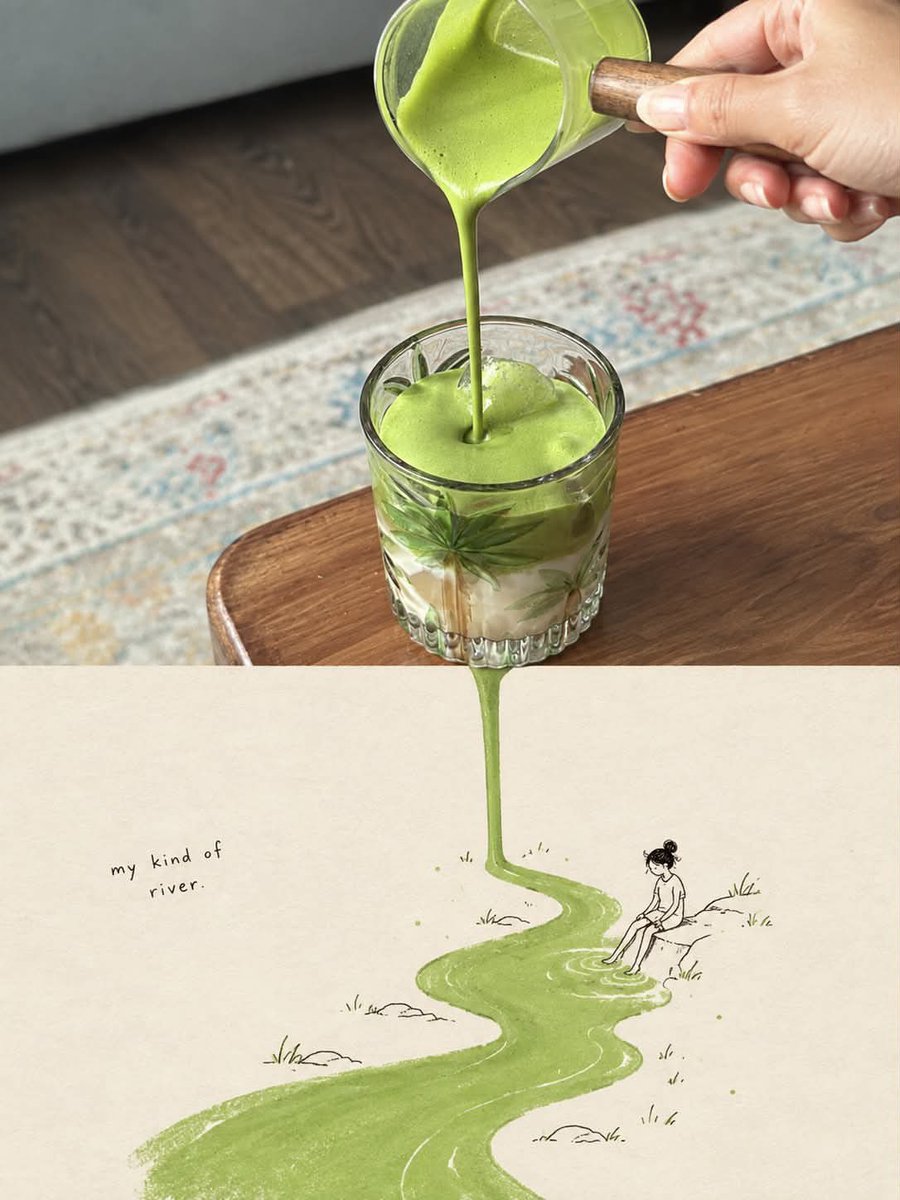
Fusión editorial: De fotografía realista a ilustración de cuento

Transforma cualquier fotografía de producto o comida en una obra de arte surrealista que fusiona fotografía realista con ilustración de libro infantil mediante una transición fluida.

OpenAI

Ejemplos de la fuente

Estas imágenes provienen de la fuente original. DROPIDEA no ha probado estos ejemplos; los resultados dependen del modelo y los ajustes.

Listo para personalizar

Tu prompt

Inglés

Sustituye las variables en rojo por tus datos. Copia el texto completo y úsalo con tu agente preferido.

TXT MD Versión en inglés
Use the uploaded image as the primary reference and transform it into a vertical 3:4 surreal editorial artwork that seamlessly combines photorealistic food/object photography with a whimsical hand-drawn storybook illustration. Preserve the main subject, composition, colors, textures, and recognizable details of the original photograph. Keep the upper portion highly photorealistic and naturally lit, with realistic materials, shadows, reflections, depth of field, and authentic photographic detail. Create a seamless visual transition from the photographed subject into an imaginative illustrated world below. Identify the most visually meaningful element in the photograph—such as a liquid, food ingredient, object, pattern, trail, shadow, or texture—and organically extend it downward into the illustration, transforming it into a river, pathway, landscape, trail, or other creative scene. The illustrated section should appear on a warm off-white textured paper background, using delicate black ink/pencil linework, subtle watercolor and gouache textures, imperfect handmade details, soft muted colors, and a charming vintage storybook aesthetic. Add small environmental details appropriate to the subject, such as tiny people, plants, rocks, objects, or landscape elements. Include a short handwritten phrase that naturally relates to the concept and the transformation, positioned subtly within the illustrated area. The typography should look genuinely handwritten, imperfect, minimal, and artistic. The photograph and illustration must feel like one continuous visual story, not two separate images. Avoid a hard horizontal split, borders, frames, arrows, labels, or obvious digital compositing. The photographed element should physically appear to flow, fall, extend, or transform into the illustrated world. Aesthetic: poetic, whimsical, clever, minimalist, premium editorial magazine art, surreal but believable, tactile paper texture, natural imperfections, sophisticated visual storytelling. Composition: vertical 3:4, balanced negative space, strong focal point, seamless transition, high detail, realistic photography + delicate hand-drawn illustration, no unnecessary elements.
Ver resultados

Tu prompt

Use the uploaded image as the primary reference and transform it into a vertical 3:4 surreal editorial artwork that seamlessly combines photorealistic food/object photography with a whimsical hand-drawn storybook illustration. Preserve the main subject, composition, colors, textures, and recognizable details of the original photograph. Keep the upper portion highly photorealistic and naturally lit, with realistic materials, shadows, reflections, depth of field, and authentic photographic detail. Create a seamless visual transition from the photographed subject into an imaginative illustrated world below. Identify the most visually meaningful element in the photograph—such as a liquid, food ingredient, object, pattern, trail, shadow, or texture—and organically extend it downward into the illustration, transforming it into a river, pathway, landscape, trail, or other creative scene. The illustrated section should appear on a warm off-white textured paper background, using delicate black ink/pencil linework, subtle watercolor and gouache textures, imperfect handmade details, soft muted colors, and a charming vintage storybook aesthetic. Add small environmental details appropriate to the subject, such as tiny people, plants, rocks, objects, or landscape elements. Include a short handwritten phrase that naturally relates to the concept and the transformation, positioned subtly within the illustrated area. The typography should look genuinely handwritten, imperfect, minimal, and artistic. The photograph and illustration must feel like one continuous visual story, not two separate images. Avoid a hard horizontal split, borders, frames, arrows, labels, or obvious digital compositing. The photographed element should physically appear to flow, fall, extend, or transform into the illustrated world. Aesthetic: poetic, whimsical, clever, minimalist, premium editorial magazine art, surreal but believable, tactile paper texture, natural imperfections, sophisticated visual storytelling. Composition: vertical 3:4, balanced negative space, strong focal point, seamless transition, high detail, realistic photography + delicate hand-drawn illustration, no unnecessary elements.

Qué obtienes

  • Una composición editorial vertical 3:4 de alta calidad.
  • Una transición fluida sin bordes duros entre la fotografía y el mundo ilustrado.
  • Textura táctil de papel, detalles en acuarela/gouache y caligrafía artística a mano.

Casos de uso

  • Campañas creativas para marcas de alimentos, bebidas y productos de estilo de vida.
  • Portadas y páginas interiores de revistas editoriales conceptuales.
  • Pósteres artísticos y elementos de identidad visual para cafeterías o empaques.

Cómo usarlo

  • Sube una foto de referencia nítida de un producto, comida u objeto para la parte superior.
  • Copia el prompt completo en el generador de imágenes con soporte de imagen como referencia.
  • Asegúrate de configurar la relación de aspecto vertical 3:4 para un encuadre editorial ideal.
  • Genera la imagen y revisa la transición orgánica entre el realismo fotográfico y la ilustración.

Prompts relacionados