Ir al contenido
ImágenesGratis

Póster educativo de anatomía alimentaria

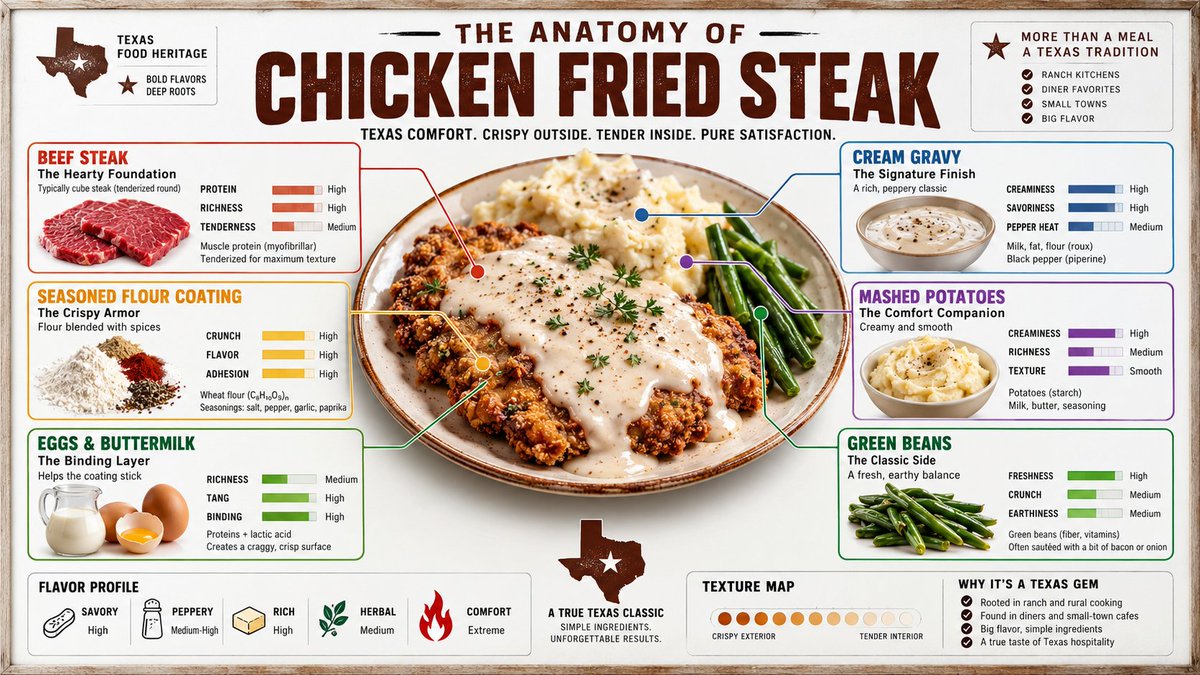
Un prompt de infografía que genera un póster limpio con marco de anatomía alimentaria para cualquier alimento variable: plato protagonista central, paneles de ingredientes inferidos por IA, gráficos minimalistas y conectores etiquetados sin ingredientes predefinidos. La apertura solicita una comida texana mucho menos conocida y se conserva el conflicto original entre el 16:9 inicial y la proporción cuadrada de la sección de salida.

OpenAI

Ejemplos de la fuente

Estas imágenes provienen de la fuente original. DROPIDEA no ha probado estos ejemplos; los resultados dependen del modelo y los ajustes.

Listo para personalizar

Tu prompt

Inglés

Sustituye las variables en rojo por tus datos. Copia el texto completo y úsalo con tu agente preferido.

TXT MD Versión en inglés
16:9, do it for a much lesser known texan food to die for Do this for [Food / Dish / Meal / Snack / Beverage / Ingredient-Based Culinary Item]: 1. The Semantic Inference Engine (The Culinary Anatomy Board): Input A is a food item, prepared dish, snack, beverage, or edible composition. Analyze Input A and infer 6 Structural Components: The Central Hero Form: determine the most recognizable full assembled form of Input A as the centerpiece. The Core Ingredients: identify the 4–8 major components that define Input A’s structure, flavor, and identity. The Functional Roles: for each component, infer its culinary role — base, filling, binder, garnish, sauce, seasoning, texture layer, aromatic element, structural shell, etc. The Visual Breakdown: determine how each component should be separately represented — whole ingredient, chopped form, bowl of prepared component, sauce sample, leaf, grain cluster, powder, slice, or texture sample. The Analytical Metrics: infer 1–2 simple explainer charts or diagrams per component, such as flavor profile, texture intensity, heat level, crunch factor, acidity balance, sweetness, richness, freshness, or aroma spectrum. The Scientific Overlay: generate plausible educational-style labels such as simplified chemistry notation, structural classification, ingredient family, preparation type, or culinary property markers — visually credible, not hardcoded. 2. The Immutable Container (The Clean Educational Poster): Goal: a modern food anatomy infographic board. white framed poster or mounted display board ultra-clean background central assembled food item in the middle surrounding ingredient callout boxes distributed symmetrically around the hero object thin connecting lines from each ingredient panel to the relevant part of the central food 3. The Poster Construction (Centerpiece + Callout System): Build the poster as a structured educational layout: a large bold title at the top generated from Input A in the format of an anatomy / breakdown / composition study one central high-quality rendered image of Input A 4–8 surrounding ingredient boxes, each containing: a clean visual of one inferred component the component name one short scientific / pseudo-technical notation line one or two small chart graphics or profile diagrams color-code the component boxes subtly according to ingredient category if appropriate 4. No Hardcoding Constraint: Do not assume taco ingredients, sandwich ingredients, or any fixed food structure. Instead: if Input A is layered, infer layers if Input A is wrapped, infer shell + filling system if Input A is plated, infer sauce + protein + garnish + base if Input A is a beverage, infer liquid phases, toppings, foam, ice, aromatics, or inclusions if Input A is a dessert, infer crust, filling, glaze, texture contrast, decoration, and flavor accents if Input A is simple, infer fewer but more essential components The infographic must be generated from the variable food item itself. 5. Educational Graphic Style: The board should feel like a hybrid of: culinary science poster museum food explainer modern menu lab graphic clean commercial infographic Use: bold sans-serif typography neat line connectors minimalist charts clean color accents organized spacing and strong readability 6. Visual Syntax & Atmosphere: Camera: straight-on poster view, orthographic or near-orthographic Lighting: bright, soft, shadow-controlled studio lighting Background: clean tiled wall, neutral interior, or pure white presentation space Detail: premium food-render realism in the central item and ingredient samples Aesthetic: educational, appetizing, precise, modern, and visually balanced 7. Output Constraint: The final image should work for any Input A: tacos ramen croissants burgers sushi salad bowls dumplings bubble tea pizza pastries curries sandwiches All labels, component choices, and charts must be inferred from the variable dish, with no hardcoded ingredient set. Output: ONE image, square aspect ratio, clean framed educational food anatomy poster for Input A, featuring a central hero dish, AI-inferred ingredient callout panels, minimalist data charts, labeled connectors, and no hardcoded subject details.
Ver resultados

Tu prompt

16:9, do it for a much lesser known texan food to die for Do this for [Food / Dish / Meal / Snack / Beverage / Ingredient-Based Culinary Item]: 1. The Semantic Inference Engine (The Culinary Anatomy Board): Input A is a food item, prepared dish, snack, beverage, or edible composition. Analyze Input A and infer 6 Structural Components: The Central Hero Form: determine the most recognizable full assembled form of Input A as the centerpiece. The Core Ingredients: identify the 4–8 major components that define Input A’s structure, flavor, and identity. The Functional Roles: for each component, infer its culinary role — base, filling, binder, garnish, sauce, seasoning, texture layer, aromatic element, structural shell, etc. The Visual Breakdown: determine how each component should be separately represented — whole ingredient, chopped form, bowl of prepared component, sauce sample, leaf, grain cluster, powder, slice, or texture sample. The Analytical Metrics: infer 1–2 simple explainer charts or diagrams per component, such as flavor profile, texture intensity, heat level, crunch factor, acidity balance, sweetness, richness, freshness, or aroma spectrum. The Scientific Overlay: generate plausible educational-style labels such as simplified chemistry notation, structural classification, ingredient family, preparation type, or culinary property markers — visually credible, not hardcoded. 2. The Immutable Container (The Clean Educational Poster): Goal: a modern food anatomy infographic board. white framed poster or mounted display board ultra-clean background central assembled food item in the middle surrounding ingredient callout boxes distributed symmetrically around the hero object thin connecting lines from each ingredient panel to the relevant part of the central food 3. The Poster Construction (Centerpiece + Callout System): Build the poster as a structured educational layout: a large bold title at the top generated from Input A in the format of an anatomy / breakdown / composition study one central high-quality rendered image of Input A 4–8 surrounding ingredient boxes, each containing: a clean visual of one inferred component the component name one short scientific / pseudo-technical notation line one or two small chart graphics or profile diagrams color-code the component boxes subtly according to ingredient category if appropriate 4. No Hardcoding Constraint: Do not assume taco ingredients, sandwich ingredients, or any fixed food structure. Instead: if Input A is layered, infer layers if Input A is wrapped, infer shell + filling system if Input A is plated, infer sauce + protein + garnish + base if Input A is a beverage, infer liquid phases, toppings, foam, ice, aromatics, or inclusions if Input A is a dessert, infer crust, filling, glaze, texture contrast, decoration, and flavor accents if Input A is simple, infer fewer but more essential components The infographic must be generated from the variable food item itself. 5. Educational Graphic Style: The board should feel like a hybrid of: culinary science poster museum food explainer modern menu lab graphic clean commercial infographic Use: bold sans-serif typography neat line connectors minimalist charts clean color accents organized spacing and strong readability 6. Visual Syntax & Atmosphere: Camera: straight-on poster view, orthographic or near-orthographic Lighting: bright, soft, shadow-controlled studio lighting Background: clean tiled wall, neutral interior, or pure white presentation space Detail: premium food-render realism in the central item and ingredient samples Aesthetic: educational, appetizing, precise, modern, and visually balanced 7. Output Constraint: The final image should work for any Input A: tacos ramen croissants burgers sushi salad bowls dumplings bubble tea pizza pastries curries sandwiches All labels, component choices, and charts must be inferred from the variable dish, with no hardcoded ingredient set. Output: ONE image, square aspect ratio, clean framed educational food anatomy poster for Input A, featuring a central hero dish, AI-inferred ingredient callout panels, minimalist data charts, labeled connectors, and no hardcoded subject details.

Guía de variables

[Food / Dish / Meal / Snack / Beverage / Ingredient-Based Culinary Item]

El alimento a diseccionar; reemplaza el marcador completo con el nombre de tu plato.

Inicio de la plantilla, tras "Do this for".

Valor de ejemplo

chili con carne

much lesser known texan food to die for

La dirección temática hacia un plato texano poco conocido; editable para otras regiones.

Línea inicial antes del marcador [Food / Dish / Meal / Snack / Beverage / Ingredient-Based Culinary Item].

Valor de ejemplo

un plato texano tradicional poco conocido

Qué obtienes

  • Una imagen de un póster educativo limpio con marco de anatomía alimentaria
  • Un plato protagonista central con realismo premium
  • 4–8 paneles de ingredientes distribuidos simétricamente con conectores etiquetados
  • Una línea de notación científica/semiTécnica y 1–2 gráficos simples por componente
  • Etiquetas educativas inferidas del propio plato sin nada predefinido
  • Un diseño educativo moderno con tipografía bold, acentos limpios y gráficos minimalistas

Casos de uso

  • Contenido educativo para blogs y restaurantes texanos que promuevan platos poco conocidos
  • Publicaciones explicativas en redes sociales sobre anatomía de platos
  • Menús y paneles que muestran los componentes del plato a los clientes
  • Material didáctico para clases de cocina y talleres de ciencia de alimentos
  • Una serie de infografías coherente para muchos platos con la misma plantilla

Cómo usarlo

  • Reemplaza el marcador [Food / Dish / Meal / Snack / Beverage / Ingredient-Based Culinary Item] con un plato texano poco conocido, como chili con carne, chile rellenos o salchicha ahumada texana.
  • Ten en cuenta el conflicto original: el prompt abre con 16:9 mientras la sección de salida especifica proporción cuadrada — conserva ambas tal cual, o decide tu proporción antes de generar si tu herramienta lo permite.
  • Envía el prompt tal cual a tu modelo de imagen; no necesitas subir imágenes de referencia porque todos los componentes se infieren del propio alimento.
  • Revisa el resultado y verifica que cada panel de ingredientes se conecte con una línea etiquetada a la parte correcta del plato central.
  • Para otro plato, repite cambiando solo el marcador sin alterar la estructura de la plantilla.
  • Para mejores resultados, elige un plato con componentes claramente distinguibles (4–8 es ideal) para paneles informativos.

Prompts relacionados