Ir al contenido
ImágenesGratis

Secuencia CCTV de cuatro tomas en hotel japonés

Un prompt para un video continuo de 15 segundos en 4:3 presentado como cuatro grabaciones CCTV analógicas crudas del mismo hotel de citas japonés la misma noche. Cuatro imágenes de referencia definen cámara, composición, personajes, ropa y bolso de cada toma. Cámaras fijas, solo cortes directos y restricciones estrictas de identidad, geometría y texto en pantalla.

Generación de imágenes

Ejemplos de la fuente

Estas imágenes provienen de la fuente original. DROPIDEA no ha probado estos ejemplos; los resultados dependen del modelo y los ajustes.

Listo para personalizar

Tu prompt

Inglés

Sustituye las variables en rojo por tus datos. Copia el texto completo y úsalo con tu agente preferido.

TXT MD Versión en inglés
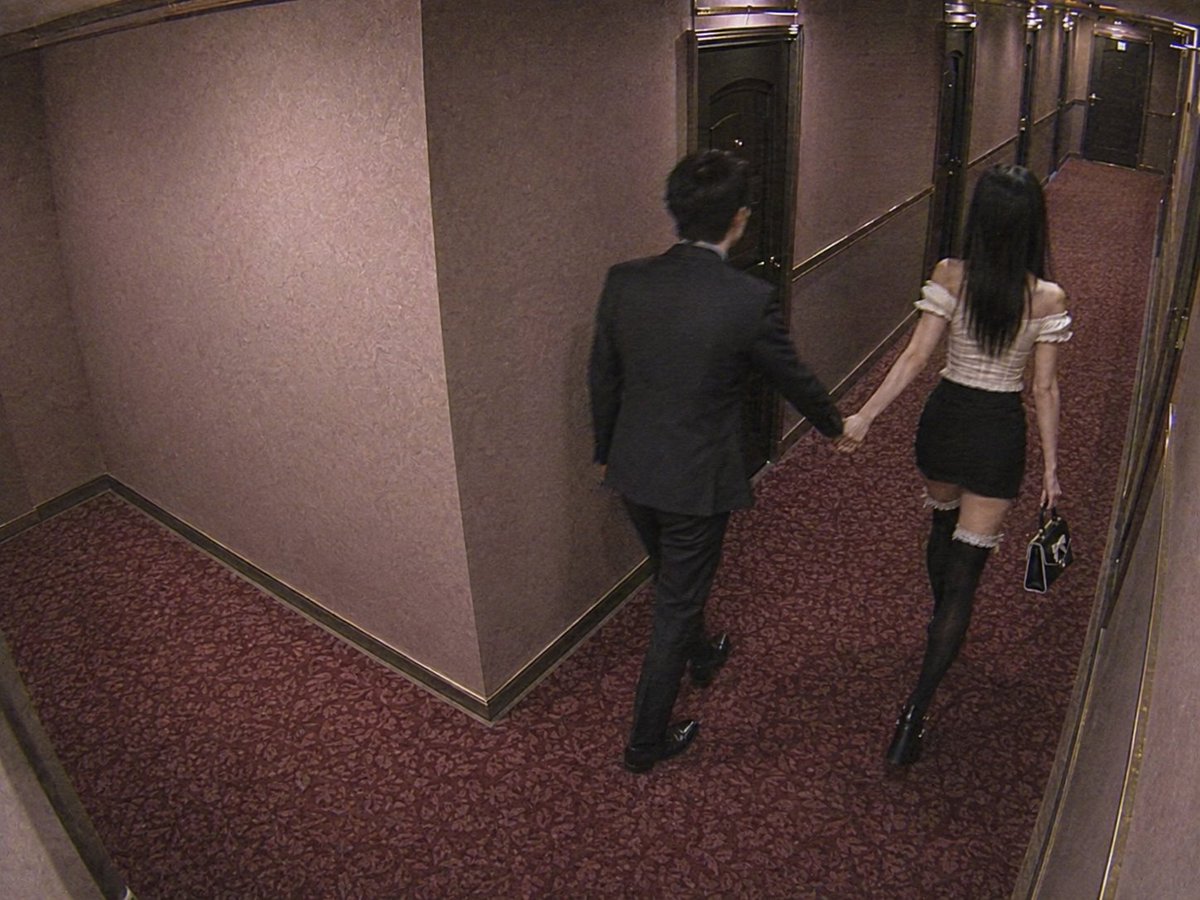
The four reference images used for the video. I generated the whole sequence in a single pass with Seedance 2.0 on Krea AI. It followed the four-shot CCTV structure better than I expected, although the camera switches and time jumps still needed some cleanup. That one generation wiped out the rest of my Krea credits, so I had ChatGPT on the web finish the MP4 with timestamps and signal glitches. So... where are you all using Seedance without going broke? Full prompt below ↓ Create one continuous 15-second, 4:3 landscape video presented as four separate raw analog CCTV recordings from the same Japanese love hotel on the same night. Treat [Image 1], [Image 2], [Image 3], and [Image 4] as a chronological surveillance storyboard. Each image is the sole authority for the camera position, lens distortion, room geometry, lighting, composition, character placement, clothing, hairstyle, body proportions, handbag, and initial physical state of its assigned shot. The four images are separate recorded shots. Do not morph, blend, interpolate, or transform one location into another. GLOBAL CAMERA AND EDITING RULES Every shot comes from a different fixed ceiling-corner security camera, except Shots 3 and 4, which use the same fixed elevator camera at different moments. Every camera remains completely locked. No pan, tilt, zoom, tracking, reframing, handheld movement, or cinematic camera motion. All scene changes are instantaneous direct hard cuts. No crossfades, dissolves, wipes, animated transitions, camera travel through doorways, or architectural transformation. The same adult man and adult woman appear throughout. Preserve their exact clothing, height relationship, hair, body proportions, and handbag from the references. SHOT 1 — 0 TO 4 SECONDS — USE [Image 1] Begin directly from the exact corridor composition shown in [Image 1]. The couple continue walking away from the fixed camera in the existing direction. The woman remains slightly ahead on the right and gently leads the man by the hand. They take only two or three natural walking steps. Her long hair and handbag move slightly with her walking. The man follows at the same pace. They do not turn, stop, look at the camera, or reach another location during this shot. At exactly the end of this shot, make an instantaneous hard cut. SHOT 2 — 4 TO 7 SECONDS — USE [Image 2] Cut directly to the exact elevator-lobby camera position, framing, and composition shown in [Image 2]. The couple stand outside the closed elevator doors in the same left-right arrangement. They remain close together and continue holding hands. Only subtle natural waiting motion: slight breathing, a small shift of body weight, and minimal movement of the woman’s hair and handbag. The elevator doors remain closed throughout this shot. The couple do not turn toward the camera and do not begin walking. At the end of this shot, make an instantaneous hard cut to the camera inside the elevator. SHOT 3 — 7 TO 11 SECONDS — USE [Image 3] Cut directly to the exact fixed elevator-interior CCTV view shown in [Image 3]. Begin with the elevator doors partially open and the couple still completely outside the threshold, exactly as shown in [Image 3]. The elevator doors continue opening to their full width at a normal mechanical speed. The man enters first from the left, and the woman follows from the right while carrying her handbag in her right hand. They take only one or two natural steps into the elevator. Their hands may remain joined. Both people finish just inside the elevator with their arms lowered. No embrace, no raised arms, no kiss, and no turning toward the camera in this shot. At the end of this shot, make a direct jump cut to a slightly later moment recorded by the same elevator camera. SHOT 4 — 11 TO 15 SECONDS — USE [Image 4] Cut directly to the exact fixed elevator composition and later physical state shown in [Image 4]. The elevator doors are now closed. The man has his back toward the camera. The woman already has her arms around his shoulders exactly as shown in [Image 4]. Preserve the handbag’s visible position and do not create extra arms, hands, fingers, straps, or bags. Only minimal natural motion: slight breathing, a very small body sway, and subtle movement of the woman’s hair. Do not develop the action further. No kiss and no additional intimate action. During only the final fraction of a second, create one very brief analog signal tear, then cut immediately to a completely black frame. FINAL RESTRICTIONS No split screen, no collage, no four-panel layout, and no simultaneous display of the reference images. No duplicated people, no extra people, no identity changes, no clothing changes, no disappearing handbag, and no altered room geometry. Do not introduce readable captions, subtitles, logos, camera labels, dates, or timestamp text.
Ver resultados

Tu prompt

The four reference images used for the video. I generated the whole sequence in a single pass with Seedance 2.0 on Krea AI. It followed the four-shot CCTV structure better than I expected, although the camera switches and time jumps still needed some cleanup. That one generation wiped out the rest of my Krea credits, so I had ChatGPT on the web finish the MP4 with timestamps and signal glitches. So... where are you all using Seedance without going broke? Full prompt below ↓ Create one continuous 15-second, 4:3 landscape video presented as four separate raw analog CCTV recordings from the same Japanese love hotel on the same night. Treat [Image 1], [Image 2], [Image 3], and [Image 4] as a chronological surveillance storyboard. Each image is the sole authority for the camera position, lens distortion, room geometry, lighting, composition, character placement, clothing, hairstyle, body proportions, handbag, and initial physical state of its assigned shot. The four images are separate recorded shots. Do not morph, blend, interpolate, or transform one location into another. GLOBAL CAMERA AND EDITING RULES Every shot comes from a different fixed ceiling-corner security camera, except Shots 3 and 4, which use the same fixed elevator camera at different moments. Every camera remains completely locked. No pan, tilt, zoom, tracking, reframing, handheld movement, or cinematic camera motion. All scene changes are instantaneous direct hard cuts. No crossfades, dissolves, wipes, animated transitions, camera travel through doorways, or architectural transformation. The same adult man and adult woman appear throughout. Preserve their exact clothing, height relationship, hair, body proportions, and handbag from the references. SHOT 1 — 0 TO 4 SECONDS — USE [Image 1] Begin directly from the exact corridor composition shown in [Image 1]. The couple continue walking away from the fixed camera in the existing direction. The woman remains slightly ahead on the right and gently leads the man by the hand. They take only two or three natural walking steps. Her long hair and handbag move slightly with her walking. The man follows at the same pace. They do not turn, stop, look at the camera, or reach another location during this shot. At exactly the end of this shot, make an instantaneous hard cut. SHOT 2 — 4 TO 7 SECONDS — USE [Image 2] Cut directly to the exact elevator-lobby camera position, framing, and composition shown in [Image 2]. The couple stand outside the closed elevator doors in the same left-right arrangement. They remain close together and continue holding hands. Only subtle natural waiting motion: slight breathing, a small shift of body weight, and minimal movement of the woman’s hair and handbag. The elevator doors remain closed throughout this shot. The couple do not turn toward the camera and do not begin walking. At the end of this shot, make an instantaneous hard cut to the camera inside the elevator. SHOT 3 — 7 TO 11 SECONDS — USE [Image 3] Cut directly to the exact fixed elevator-interior CCTV view shown in [Image 3]. Begin with the elevator doors partially open and the couple still completely outside the threshold, exactly as shown in [Image 3]. The elevator doors continue opening to their full width at a normal mechanical speed. The man enters first from the left, and the woman follows from the right while carrying her handbag in her right hand. They take only one or two natural steps into the elevator. Their hands may remain joined. Both people finish just inside the elevator with their arms lowered. No embrace, no raised arms, no kiss, and no turning toward the camera in this shot. At the end of this shot, make a direct jump cut to a slightly later moment recorded by the same elevator camera. SHOT 4 — 11 TO 15 SECONDS — USE [Image 4] Cut directly to the exact fixed elevator composition and later physical state shown in [Image 4]. The elevator doors are now closed. The man has his back toward the camera. The woman already has her arms around his shoulders exactly as shown in [Image 4]. Preserve the handbag’s visible position and do not create extra arms, hands, fingers, straps, or bags. Only minimal natural motion: slight breathing, a very small body sway, and subtle movement of the woman’s hair. Do not develop the action further. No kiss and no additional intimate action. During only the final fraction of a second, create one very brief analog signal tear, then cut immediately to a completely black frame. FINAL RESTRICTIONS No split screen, no collage, no four-panel layout, and no simultaneous display of the reference images. No duplicated people, no extra people, no identity changes, no clothing changes, no disappearing handbag, and no altered room geometry. Do not introduce readable captions, subtitles, logos, camera labels, dates, or timestamp text.

Guía de variables

[Image 1]

Primera imagen de referencia (toma del pasillo) — debe subirse/adjuntarse con el prompt

Línea del storyboard, encabezado de la toma 1 y primera línea del cuerpo de la toma 1

Valor de ejemplo

[Image 1] → imagen de referencia subida n.º 1

[Image 2]

Segunda imagen de referencia (vestíbulo del ascensor) — debe subirse/adjuntarse con el prompt

Línea del storyboard, encabezado de la toma 2 y primera línea del cuerpo de la toma 2

Valor de ejemplo

[Image 2] → imagen de referencia subida n.º 2

[Image 3]

Tercera imagen de referencia (interior del ascensor, puertas parcialmente abiertas) — debe subirse/adjuntarse con el prompt

Línea del storyboard, encabezado de la toma 3 y primeras dos líneas del cuerpo de la toma 3

Valor de ejemplo

[Image 3] → imagen de referencia subida n.º 3

[Image 4]

Cuarta imagen de referencia (interior del ascensor, puertas cerradas) — debe subirse/adjuntarse con el prompt

Línea del storyboard, encabezado de la toma 4 y primeras dos líneas del cuerpo de la toma 4

Valor de ejemplo

[Image 4] → imagen de referencia subida n.º 4

Qué obtienes

  • Un video continuo de 15 segundos en 4:3 presentado como cuatro grabaciones CCTV analógicas crudas
  • Estructura de tomas: pasillo (0-4s), vestíbulo del ascensor (4-7s), interior del ascensor (7-11s) y un momento posterior (11-15s)
  • Cámaras totalmente fijas y cortes duros instantáneos sin transiciones suaves
  • Identidad, ropa y bolso coherentes para la pareja en las cuatro tomas
  • Un breve desgarro de señal analógica y un fotograma negro final

Casos de uso

  • Contenido estilo CCTV realista para relatos breves
  • Escenas de apertura estilo found footage para cortos o clips de terror
  • Anuncios o publicaciones para redes con estética CCTV analógica
  • Proyectos experimentales para probar la fidelidad de modelos de video a múltiples referencias
  • Material didáctico sobre montaje de varias tomas con cortes duros

Cómo usarlo

  • Sube cuatro imágenes de referencia en orden cronológico: pasillo, vestíbulo del ascensor, interior del ascensor con puertas parcialmente abiertas e interior con puertas cerradas y la mujer abrazando al hombre.
  • Pega el prompt completo en un modelo de video compatible con imágenes de referencia, como Seedance en Krea, y adjunta las cuatro imágenes en el orden correcto.
  • Configura la duración en 15 segundos y la relación de aspecto en 4:3 antes de generar, y no cambies los marcadores [Image 1] a [Image 4].
  • Tras la generación, revisa los cortes duros, las cámaras fijas y la coherencia de identidad, ropa y bolso entre tomas.
  • Añade marcas de tiempo y fallos de señal analógica en posproducción si el modelo no los genera automáticamente.

Prompts relacionados