Why Are So Many Skeptical of Zuckerberg's Vision for the Future of AI?
 By Admin
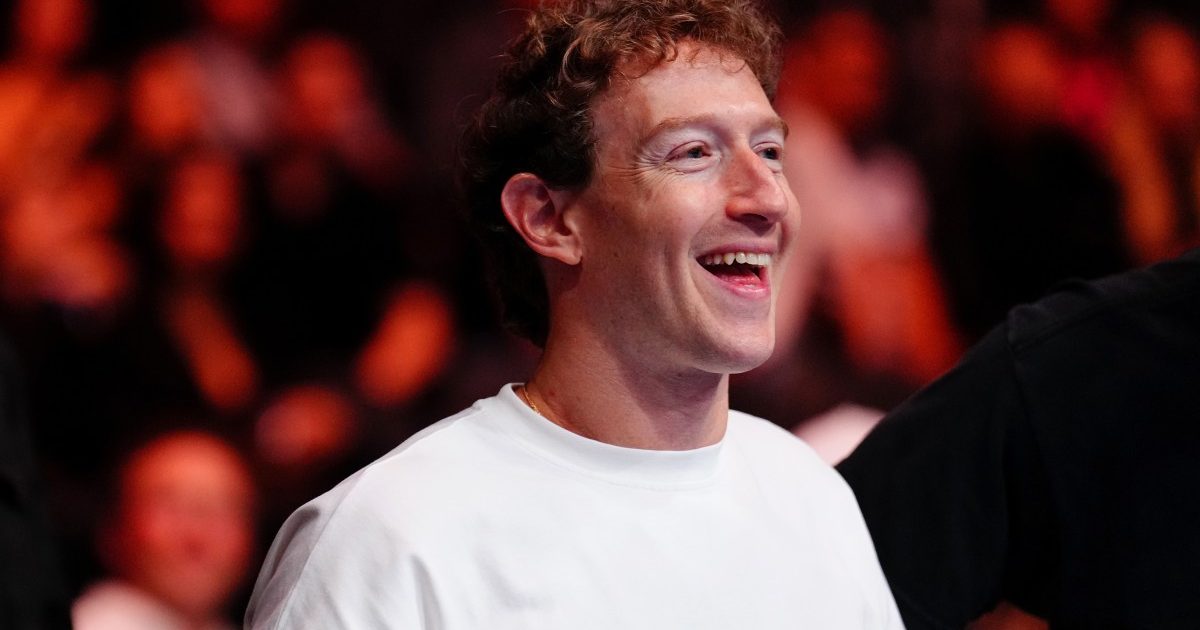
Mark Zuckerberg, CEO of Meta, published a lengthy article this week exceeding six thousand words, carrying the ambitious title "The Future Is for Everyone." In it, he painted an optimistic picture of a world led by artificial intelligence, in which every individual would possess "a highly capable personal agent that understands you, your goals, and everything that matters to you." Yet this statement, which its author intended to inspire the public, provoked a wave of skepticism more than it stirred enthusiasm.
An Optimistic Vision Colliding with a Burdened Past
The fundamental problem does not lie in the idea itself, but in the identity of the one presenting it. Zuckerberg has previously made similar promises during the era of social media, when he spoke of his desire to give everyone a channel to connect with their friends and build a genuine social network. But what users ultimately received was entirely different: platforms filled with rage-inducing content and advertisements, instead of the human connection they were promised.
This history leads many to view Zuckerberg's new promises with suspicion. When he speaks of "empowering individuals" through artificial intelligence, the public remembers that the previous promises were not translated into a reality that served the user as much as it served the company's advertising model.
An Attempt to Win in a Different Way
Observers see the message as reflecting an attempt by Meta to excel in a new arena after its standing declined in other fields. The company is not considered at the forefront of developers of advanced closed models, nor does it hold the leading position in open-source models despite the success of its "Llama" model. Thus, Zuckerberg appears to be betting on the field of "personal empowerment"—that is, providing models that individuals use on their own devices as an ever-present intelligent assistant.
According to the proposal, the new model is supposed to work at any time and from anywhere, whether with an internet connection or without one, to manage schedules, draft messages, and organize files. In return, the company retains its more capable models as a revenue channel, directed at those who wish to expand their computing capabilities or carry out larger projects, whether individuals or companies.
Meta's Absence from the Leadership Conversation
Despite Meta's massive investments in artificial intelligence, which included generous offers to attract scientists and researchers, its name is rarely mentioned among the leading companies and advanced laboratories in this field. It is also not the destination users turn to when seeking a personal intelligent assistant, despite the widespread presence of Meta's tools within Instagram and Facebook.
For this reason, the statement appears to be an attempt to reposition the company in a space where it has not yet achieved tangible success. In fact, what the user actually encounters from the company's consumer-level tools does not rise to the level of the declared ambition, as it is marred by issues related to the quality and reliability of its chatbots.
An "Overly Optimistic" Tone
Some analysts described the tone of the statement as idealistic to the point of naivety, depicting artificial intelligence as a great tool for humanity without acknowledging the exorbitant costs and risks accompanying it. This disregard for the realistic side is what provoked the wide negative reactions.
Zuckerberg appears to position himself against the "slow down for safety" current adopted by some leaders of advanced laboratories. While others speak of the necessity of slowing the pace of development to focus on safety, Zuckerberg rejects the idea of slowing down, arguing that falling behind in the competition—especially with China—would ultimately harm the very individual this technology is supposed to empower.
Promises on Paper and Constraints on the Ground
However, the gap between rhetoric and application becomes clearly apparent when attempting the actual experience. The new personal model that Zuckerberg promoted is not available to everyone as the title might suggest, as it requires specific devices that the average user does not possess, making the slogan "The Future Is for Everyone" further from reality than it appears.
In conclusion, the vision presented by Zuckerberg, despite its apparent ambition, collided with the barrier of trust built by his company's past, and with excessive optimism that ignores the real challenges. Perhaps for this reason, a statement intended to inspire turned into an example cited by critics of artificial intelligence.
✦ بقلم فريق دروب أيديا
DROPIDEA
We hope this article has added real value to you. At DROPIDEA, we always strive to deliver high-quality content that helps you grow and evolve in the digital space. Follow us for more useful articles and guides.
Tags
Admin
DROPIDEA
Latest Articles

OpenAI Dissolves Its Risk Preparedness Team Ahead of IPO

Stripe Acquires OpenRouter for AI Gateways in Deal Worth Over $7 Billion

Compact Polaroid Instant Camera at an Attractive Price with a Free Film Pack

Anthropic Reveals Details of the New Watermark in Claude's Text