The recent US midterm elections were not a purely political event; they also carried direct messages to the technology sector, and specifically to the companies building the massive infrastructure behind artificial intelligence. Alongside the Democratic Party's gains in key seats and offices, a clear grassroots trend emerged in opposition to the unregulated expansion of data centers, expressed either through direct local referendums or through the election of candidates who campaigned on restricting these projects.
Data Centers Become an Election Issue
In dozens of local referendums put forward at the county and municipal level, voters backed imposing restrictions or temporary moratoriums on the construction of data centers, and the majority of these measures passed. In states where the issue was not placed directly on the ballot, the impact reached the polls through the candidates themselves: Texas Governor-elect Gina Hinojosa made restricting data centers one of her explicit campaign promises, and she is now expected to deliver on it after taking office.
It is fair to say this issue was not the sole reason for the shift in the electoral landscape, as economic and social factors are always at play. What is striking, however, is that opposition to data centers transcended the traditional partisan divide, voiced by Republicans, independents, and Democrats alike — though the Democrats appeared better able to convert this public anger into electoral momentum.
Why Has Public Opposition Escalated?
The heart of the problem is not the technology itself, but the way major companies have managed their expansion. Among the leading causes of the tension:
- Excessive secrecy: Requiring elected or appointed officials to sign non-disclosure agreements before projects could even be discussed.
- Lack of transparency about scale: Failing to disclose a project's true size and its expected energy and water consumption.
- Environmental sensitivity: Siting enormous facilities in areas facing water scarcity, particularly in the American Southwest.
- Impact on utility bills: Residents' concern that the cost of expanding electricity grids would be passed on to ordinary consumers.
In other words, many local communities felt that decisions of existential importance concerning their land, water, and electricity were being made without them — and that is what transformed a technical engineering matter into an organized, bottom-up public cause.
Elon Musk and a Costly Political Bill
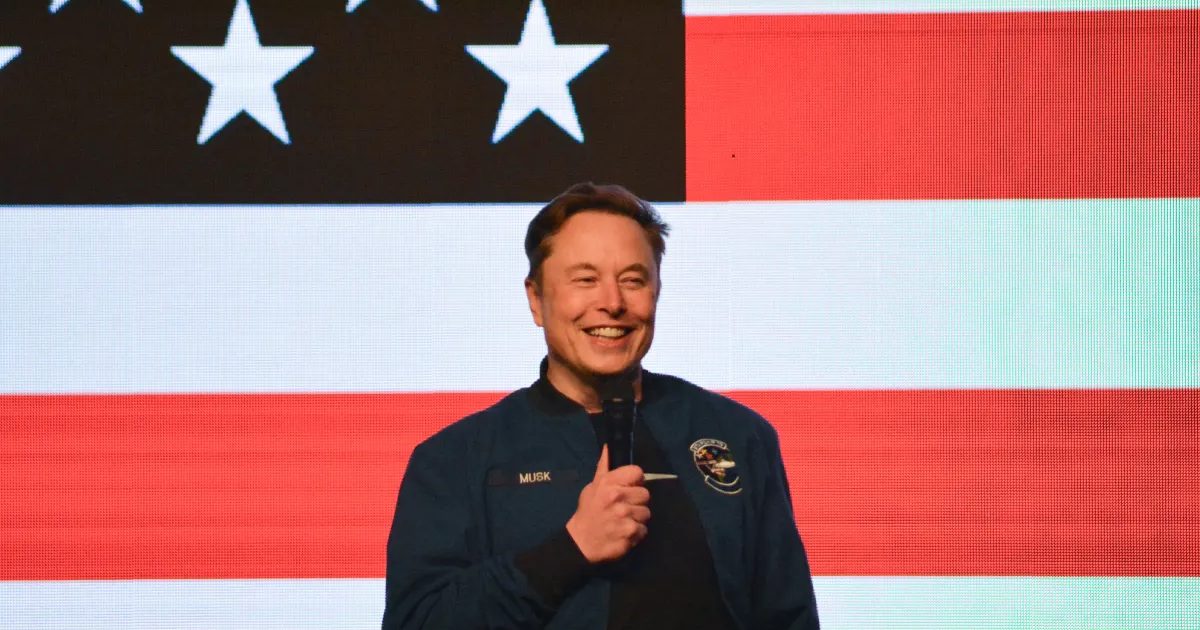
One of the most notable ironies of this election involves Elon Musk, among the largest builders of data centers and among the biggest donors to the Republican Party, with contributions estimated at half a billion dollars or more. The practical return on that spending appeared very limited; indeed, his companies now find themselves based in a state that has shifted politically in ways not seen in decades. This illustrates the limits of political money when it collides with a local public mood shaped around tangible issues such as water, electricity, and taxes.
A Swift Response from AI Companies
Worth pausing on is the fact that companies which had insisted they could not operate without a model of complete secrecy immediately began revising their policies once new regulatory and political signals emerged. OpenAI announced a new policy framework for what it calls "compute campuses," which includes dropping the requirement for non-disclosure agreements with local officials and sharing plans with greater transparency.
The lesson here matters for anyone following AI regulation: when clear rules exist, or when there are serious indications that they are coming, companies adapt quickly. In their absence, there is no guarantee that they will voluntarily act in the interests of local communities.
At the same time, part of this response remains an exercise in linguistic rebranding; replacing the term "data center" with "compute campus" is intended to soften the negative charge attached to the former. It is doubtful that renaming alone will reassure residents worried about their water and their utility bills.
What Does This Mean for the Next Two Years?
The likely outcome is a tougher expansion environment for major cloud operators and AI infrastructure companies, with slower permitting, more rigorous environmental reviews, and clearer demands for compensating local communities. Energy efficiency, water-saving cooling, and transparent local partnerships will take on greater importance as practical conditions for securing approvals.
The bigger questions remain open: will this momentum carry through to the 2028 elections and beyond? And can companies build computing capacity at the pace the AI boom demands amid growing local resistance? What is certain is that the cost of ignoring local communities has become far higher than the cost of negotiating with them early and transparently.
✦ بقلم فريق دروب أيديا
DROPIDEA
We hope this article has added real value to you. At DROPIDEA, we always strive to deliver high-quality content that helps you grow and evolve in the digital space. Follow us for more useful articles and guides.
Tags
Admin
DROPIDEA
Latest Articles

The Jensen Huang Crisis: A Personal Scandal Turns Into a National Security Case

Who Will Succeed Jensen Huang at the Helm of Nvidia? A List of Potential Candidates
New York Safety Law Puts OpenAI and Anthropic Under Fresh Scrutiny

OpenAI Acquires Odessia, Opening the Door to the Future of Smart Travel