New York State has entered a new phase in AI regulation after launching a dedicated online registration portal for major developers of advanced systems — a preparatory step toward implementing one of the most far-reaching AI safety laws in the United States. Under this measure, companies such as OpenAI and Anthropic will be required to complete their registration before January 1, 2027, or face legal action from the state.
What does the RAISE Act stipulate?
The legislation is known as the RAISE Act, a law focused on safety and transparency that takes effect at the start of the year. It targets what it calls "large advanced developers" — companies with annual revenues exceeding $500 million — which confines its scope to major labs rather than small startups.
The core obligations imposed by the law include the following:
- Publicly publishing dedicated safety frameworks on company websites.
- Reporting any critical safety incident within no more than 72 hours.
- Issuing periodic transparency reports concerning the models the company develops.
Financial penalties reach $1 million for a first violation and $3 million for subsequent violations — a ceiling that makes compliance a matter of real cost rather than a mere formality.
A new regulatory body and an independent research center
The state has assigned enforcement to a newly established office named the Office of Digital Innovation, Governance, Integrity and Trust (DIGIT), which will oversee major labs and monitor their level of compliance. The office will also have the authority to pursue companies that fail to register on the new portal.
In parallel, the creation of the "New York Center for AI Accountability and Research" at Binghamton University, part of the State University of New York, has been announced. The center is intended to conduct independent assessments of the safety, security, and operation of advanced systems, and to work with the DIGIT office in reviewing the safety frameworks published by companies. The center was initially announced in January with funding and capital totaling $55 million.
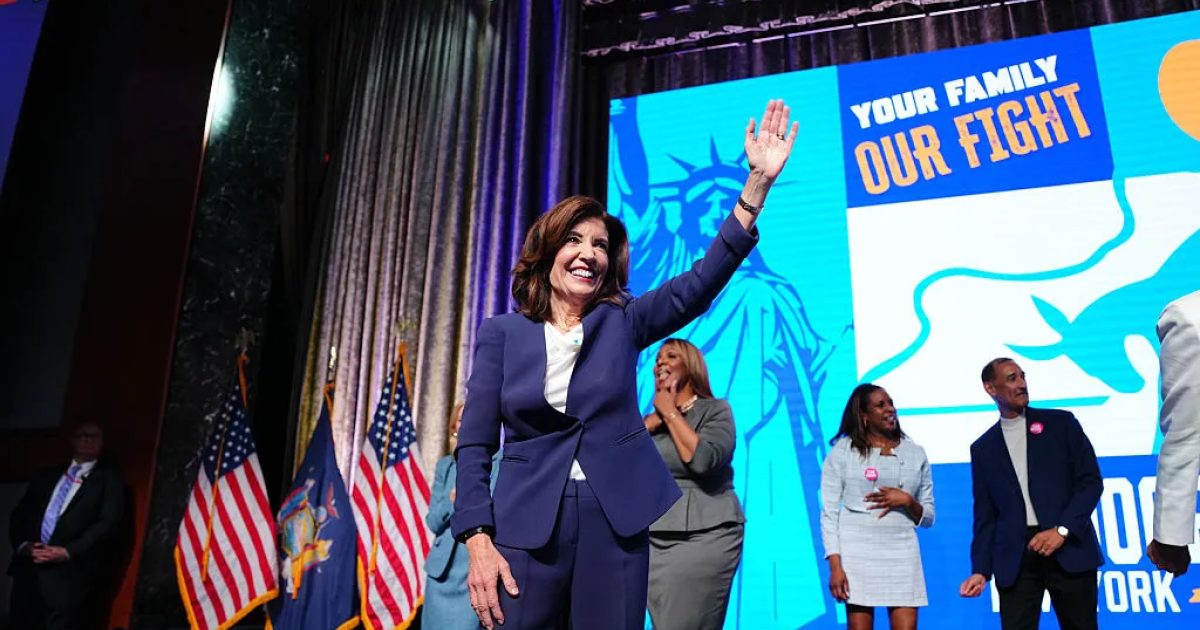
Governor Kathy Hochul framed the state's position with a critical tone toward tech industry rhetoric, noting that the heads of these companies present their vision of AI as inevitable and demand that everyone either get on board or be left behind, treating any collateral harm as acceptable in exchange for winning the race. She added that the state seeks to build a national model for practical, balanced regulation that puts communities before corporations and people before technology.
Not New York's first such law
The RAISE Act does not stand alone; it adds to a legislative framework the state has been building over the past two years. Last year saw the implementation of a law requiring operators of "AI companions" to periodically remind users that they are speaking to a bot, while making reasonable efforts to detect indicators of suicidal ideation and self-harm.
In October, a separate law was signed addressing chatbot safety when interacting with minors, limiting behaviors such as deceptive interactions that mimic humans, responses involving emotional manipulation or excessive flattery, and any encouragement of suicide or eating disorders. This law takes effect on June 1, 2027.
A regulatory trend expanding across states
What is happening in New York is no exception but part of a broader legislative wave at the state level. In California, SB 53 took effect in January, requiring advanced labs to establish and publish safety frameworks, provide whistleblower protections, and report critical incidents within 15 days. Illinois, meanwhile, will begin enforcing its SB 315 at the start of 2027, with similar requirements that add independent auditing of safety compliance.
What does this mean in practice?
It is becoming clear that the absence of comprehensive federal legislation is pushing states to fill the void, creating a multilayered regulatory map that major companies will be forced to navigate simultaneously. For organizations building solutions on these companies' models, the general direction is clear: safety documentation, rapid incident reporting, and transparency about model capabilities and limitations are all gradually shifting from optional practices to legal requirements.
✦ بقلم فريق دروب أيديا
DROPIDEA
We hope this article has added real value to you. At DROPIDEA, we always strive to deliver high-quality content that helps you grow and evolve in the digital space. Follow us for more useful articles and guides.
Tags
Admin
DROPIDEA
Latest Articles

OpenAI Acquires Odessia, Opening the Door to the Future of Smart Travel

Short Seller Warned About Nvidia CEO's Ties Six Months Before the Scandal

Anthropic Pushes Ahead with IPO Plans Despite Market Turbulence

US Intelligence Memo: Alleged Recruitment Effort Targeting Nvidia's CEO