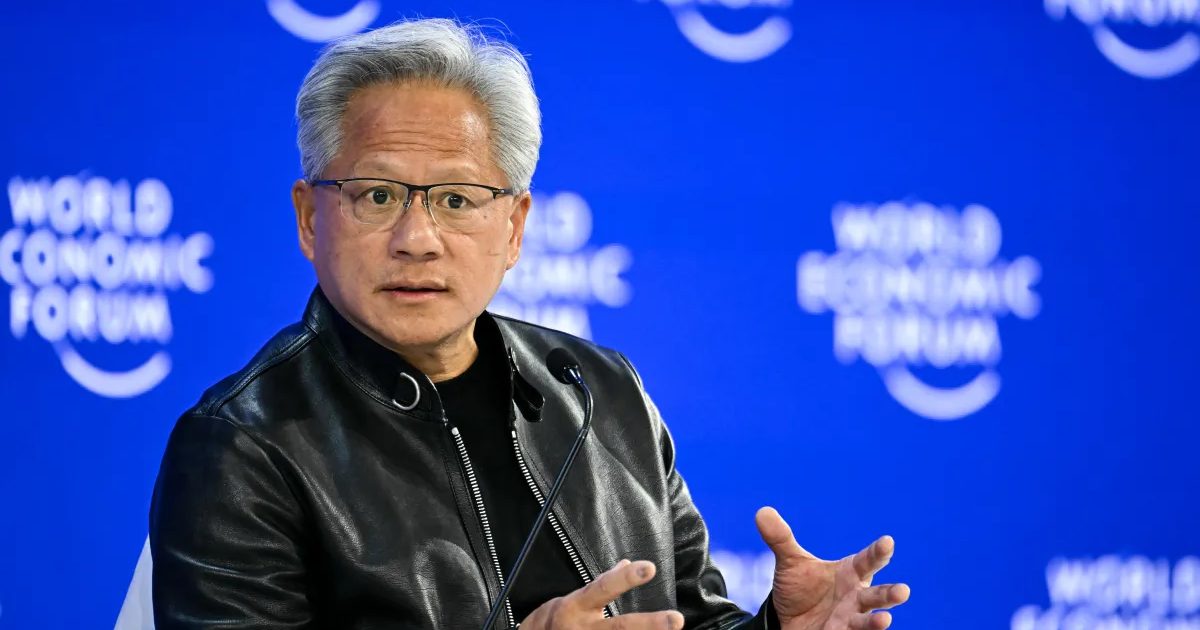
Rarely do two contradictory portraits of a single company converge within a single week as they did with Nvidia recently. On one hand, an earnings report that exceeded expectations and revealed an extended order backlog; on the other, widespread clamor across social media platforms and tech conferences demanding the return of former CEO Jensen Huang to the leadership. This divergence between what the numbers say and what the market and the broader landscape say merits careful consideration, because it touches on deeper questions concerning corporate governance and the future of the AI chip market.
Strong Numbers and a Reassuring Message from Interim Management
The current management, led by acting CEO Colette Kress, delivered a clearly defined message: the company is on the right track, and the results speak for themselves. Revenues surpassed estimates, forward guidance came in above analyst expectations, and the order book extends far into the future. The implicit message was direct: "Everything is under control."
Yet the market's reaction did not fully align with this optimism; the share price declined, signaling that investors do not view the most recent quarter as sufficient evidence of stability in the period ahead. Many believe these results primarily reflect decisions made under the previous leadership, and that the real test will come in the quarters that follow.
A Public Campaign for the Founder's Return
Alongside the earnings announcement, prominent voices in the technology sector — Elon Musk among them — escalated calls for Jensen Huang's return, going as far as circulating a petition to that effect, while Huang himself indicated his willingness to come back. The company, for its part, swiftly and unequivocally denied the existence of any such plan.
The speed and firmness of the denial drew attention and raised questions about what is happening behind the scenes. The board appears keen to reinforce its image as the body holding the reins of decision-making, and to avoid appearing responsive to pressure from influential figures outside the company. Added to this is another factor: the investigation related to allegations of chips being sold to China through undisclosed channels, and who knew about it — a matter whose full picture has yet to emerge.
That said, publicly stated positions in crises of this kind are subject to change; just a week and a half before announcing Huang's departure, the company was affirming its full confidence in his leadership. This makes saying a "return is unlikely" entirely different from saying it is impossible.
The China File: Restrictions Tighten Further
The other equally significant development is Nvidia's announcement that it is halting sales of H200 chips in China. This coincides with a U.S. administrative push to close remaining loopholes, foremost among them what is known as "remote access."
- Data centers established in countries such as Malaysia and elsewhere, outside the scope of the restrictions.
- Companies within China using the capacity of these centers remotely, without needing to physically import the chips.
- This loophole is now targeted for closure as part of a broader package of restrictions.
Notably, export policies have fluctuated considerably in recent years; after significant tightening in earlier periods, a relative opening enabled Nvidia to expand its sales, before the circle of restrictions began widening once again.
How Much Is Nvidia Actually Losing?
Critics of the company's China policy estimate that roughly 20% of its business is tied to that market, directly or indirectly. This is a proportion that does not appear clearly in the financial statements, because a large share of it is not recorded as direct sales to Chinese companies, but rather as sales to entities in Malaysia and East and Southeast Asia, whose computing capacity ends up being used from within China.
If Nvidia genuinely commits to shutting down these channels, it could exert tangible pressure on its profit margins going forward — even though current figures show no negative impact thus far.
What's Worth Watching?
The picture remains open to more than one outcome. On one side stands a company delivering exceptional financial performance and holding a dominant position in AI infrastructure. On the other, an unresolved leadership crisis, an ongoing investigation, and a volatile regulatory environment surrounding one of the world's most important markets.
The board will most likely try to avoid scenarios resembling those at other tech companies that ousted a founder only to see him return under external pressure. And because Nvidia is a publicly listed company, its governance dynamics differ and are subject to shareholder considerations and more complex regulations. In any case, the coming weeks should reveal which of the two narratives will prevail.
✦ بقلم فريق دروب أيديا
DROPIDEA
We hope this article has added real value to you. At DROPIDEA, we always strive to deliver high-quality content that helps you grow and evolve in the digital space. Follow us for more useful articles and guides.
Tags
Admin
DROPIDEA
Latest Articles

Signal Restricts Screenshots to Counter AI Surveillance
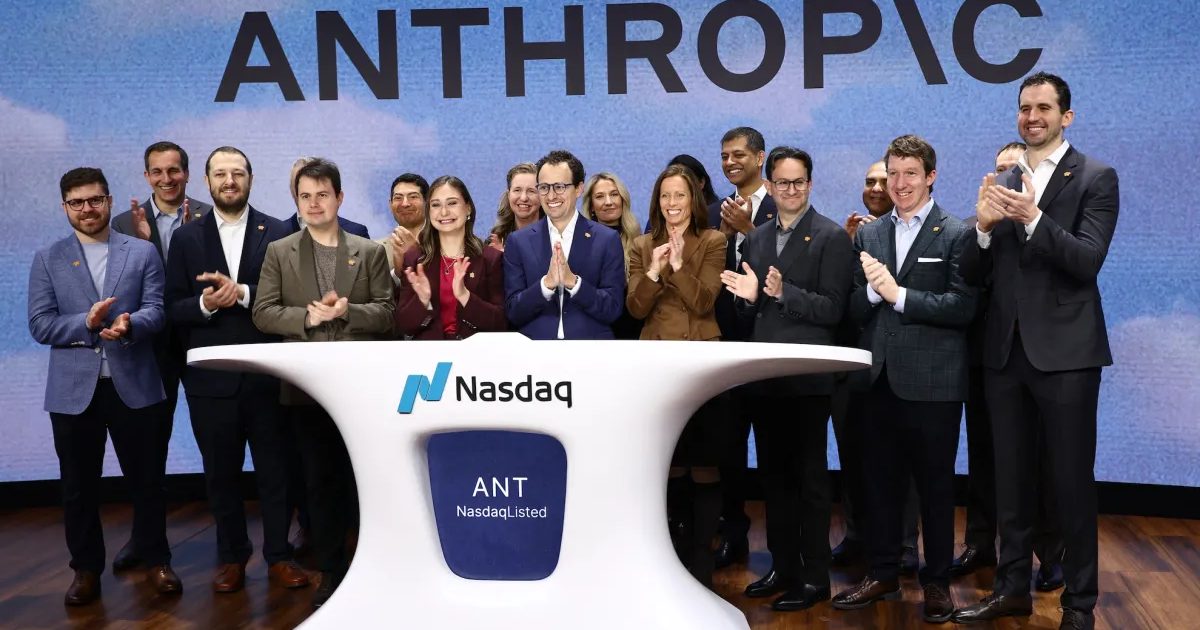
Anthropic's IPO: Its Founders Reap $2 Billion

Apple Aims to Build an AI Agent That Can Operate Your Computer on Its Own
Nadella Explains Why Microsoft Offered Voluntary Resignation to 60,000 Employees