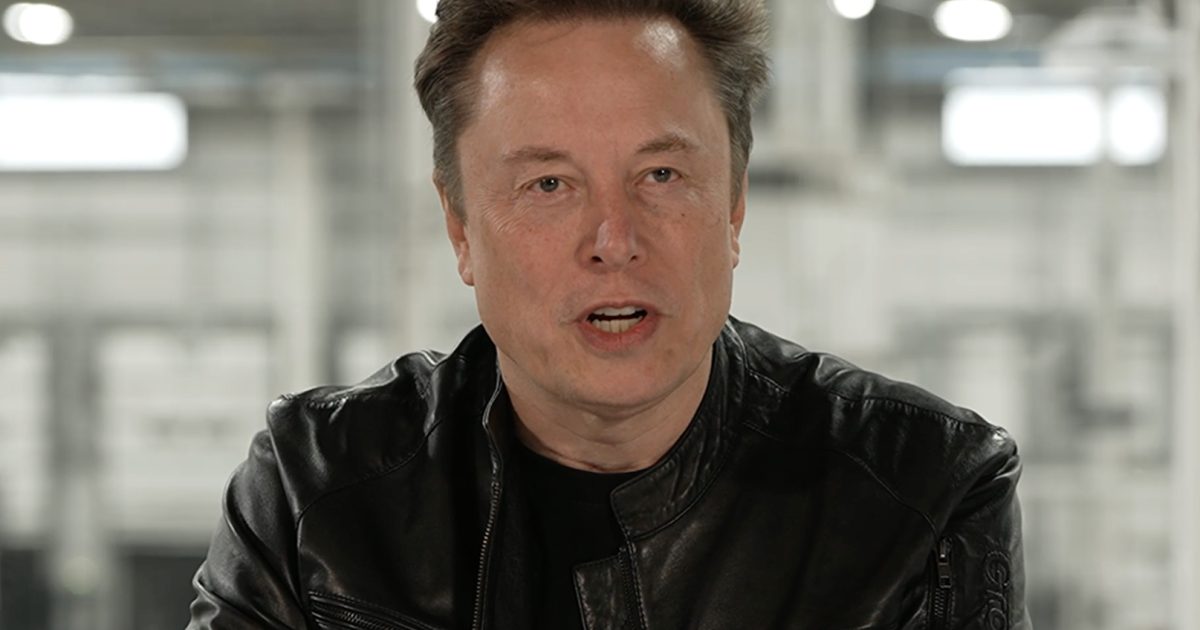
SpaceX has announced a binding commitment for nearly $40 billion in financing earmarked for the purchase of AI chips and the associated data center equipment, according to a regulatory disclosure filed by the company. The company described the agreement as the largest binding financing deal for graphics processing units (GPUs) to date — a move that reveals the scale of the financial bet required to build computing capacity capable of competing with the leading AI providers.
How does this deal work?
The financial structure of the agreement is not a traditional loan, but rather an operating lease arrangement. An entity managed by private investment firm Apollo Global Management will purchase the chips and associated server hardware, then lease them to SpaceX. The lease contracts run for roughly five to five and a quarter years, with each contract's term beginning from the moment the relevant batch of equipment is delivered.
The company expects to complete the deal before the end of this year, subject to the satisfaction of closing conditions, with the leases taking effect in the first half of 2027 in parallel with the arrival of the chips and equipment. Apollo indicated that the financing will help supply Nvidia's next-generation "Vera Rubin" chips in support of what it described as SpaceX's terrestrial computing expansion project.
Why leasing instead of borrowing?
The most notable advantage of this model is that it opens an alternative financing channel away from traditional debt markets, which have grown more cautious toward AI infrastructure companies. The company's chief financial officer, Bret Johnsen, said the arrangement "diversifies funding sources and covers a meaningful portion of the financial requirements needed to execute growth plans," adding that the company is seeing payback periods of less than one year on capital invested in AI infrastructure as its computing capacity expands.
From an accounting and operational standpoint, leasing offers several advantages:
- Spreading the burden of massive capital expenditures over several years instead of absorbing it all at once.
- Easing pressure on the balance sheet and on leverage ratios tied to bond issuances.
- Greater flexibility in keeping pace with the rapid chip refresh cycles in the AI market.
- Tying the start of the financial obligation to the actual delivery date of the hardware rather than the contract date.
The numbers behind the motivation
The agreement follows a strong third fiscal quarter for the company's AI operations, which include the "Grok" chatbot, the "Cursor" coding tool, and its cloud computing business. This segment exceeded investor expectations, generating $7.6 billion out of total revenue of $14.6 billion — more than the combined contribution of the "Starlink" satellite internet service and rocket launch operations.
Capital expenditures, meanwhile, climbed to roughly $20 billion compared with $6.9 billion in the same period a year earlier, driven by the accelerated expansion of its computing footprint. On the earnings call, the chief financial officer said the company expects to spend between $35 billion and $40 billion in the final quarter alone — a figure that explains why creative financing structures have become a necessity rather than a luxury.
A message to the "neocloud" market
Elon Musk used the announcement to comment on the position of competitors that specialize solely in leasing computing capacity. Pointing to the company's credit rating and the stable cash flows from Starlink and launch operations, Musk argued that debt markets have all but closed their doors to companies lacking substantial revenue sources outside of AI data centers. He predicted that the "neocloud" sector — which includes more than 200 companies created exclusively to lease processing units for AI workloads — will see a wave of failures and widespread consolidation, suggesting only a handful will survive.
What does this mean for the market?
The most significant implication of this deal is that AI infrastructure financing is gradually shifting from public bond markets toward private capital and alternative investment firms, which see in assets like processing units both tangible collateral and long-term contractual returns. This means access to financing will increasingly depend on balance sheet quality and revenue diversification, not merely on the scale of demand for computing.
For companies and institutions planning AI projects, the implicit message is clear: the cost of advanced computing will remain high and competition for capacity will intensify, making the choice of a service provider with genuine financial stability a decisive factor in ensuring long-term service continuity.
✦ بقلم فريق دروب أيديا
DROPIDEA
We hope this article has added real value to you. At DROPIDEA, we always strive to deliver high-quality content that helps you grow and evolve in the digital space. Follow us for more useful articles and guides.
Tags
Admin
DROPIDEA
Latest Articles
Short Seller Warned About Nvidia CEO's Ties Six Months Before the Scandal

Anthropic Pushes Ahead with IPO Plans Despite Market Turbulence
US Intelligence Memo: Alleged Recruitment Effort Targeting Nvidia's CEO
Independent Investigation at Nvidia into Its CEO's Relationship