Self-Driving Taxis Invade Cities.. and the Regulatory Battle Heats Up
 By Admin
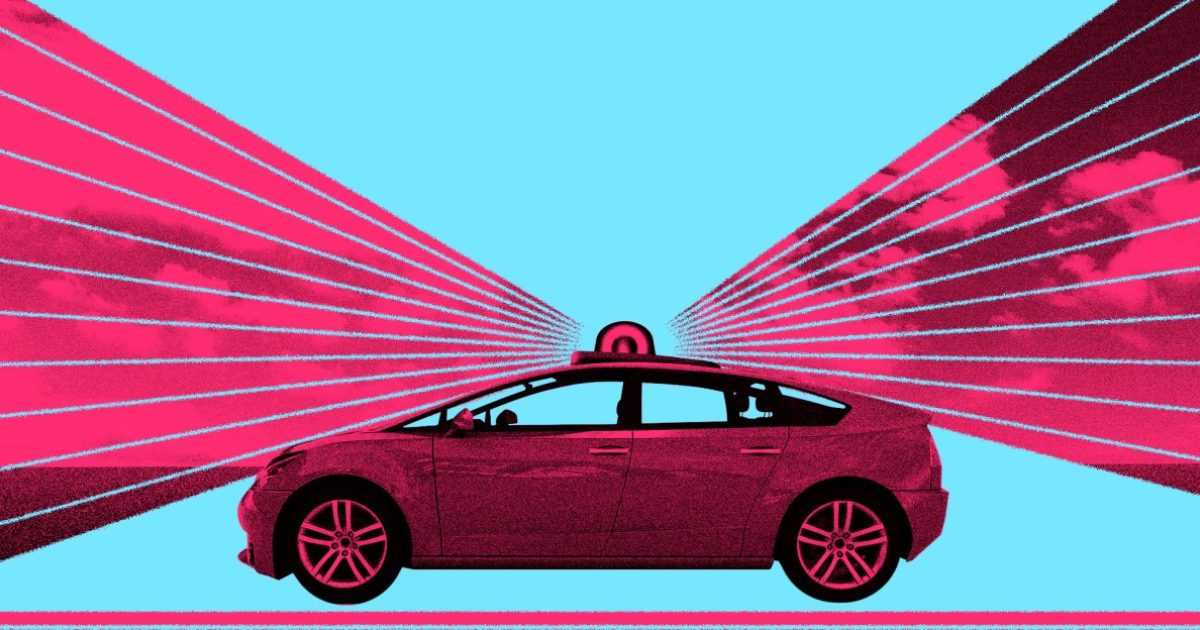
Self-driving taxis, or what are known as "robotaxis," are no longer merely an idea out of science fiction films, but have become a tangible reality traveling the streets of several major American cities. As the reach of these vehicles expands, a fierce battle is simultaneously escalating over the rules and legislation that should govern their operation, amid a sharp divide between advocates of rapid expansion and those demanding stricter controls.
Mapping the Regulatory Conflict Across States
The tense picture becomes clear through a quick tour of the most prominent American states and cities. In New York, Governor Kathy Hochul backed away from a proposal that would have opened the door to operating these vehicles outside the city, following strong opposition from taxi drivers, unions, and legislators, leaving driverless commercial service legally banned so far.
In the capital Washington, labor unions are waging a battle against legislation aimed at legalizing this service, while legislators are considering imposing a cap on the number of vehicles not exceeding two hundred cars, along with a 15-cent fee per mile allocated to modernizing the transportation network and assisting affected workers. One city council session on this topic stretched for ten consecutive hours.
In San Francisco, Mayor Daniel Lurie shifted from an outspoken supporter of this technology to demanding tighter regulations, after "Waymo" vehicles repeatedly disrupted traffic during emergencies and major events. As of July, police in California can also officially cite manufacturers when their cars violate traffic laws.
Increasing Federal Oversight
Although Congress has not yet passed comprehensive legislation regulating the operation of these vehicles, federal regulators have intensified their oversight. The National Highway Traffic Safety Administration has warned industry companies that vehicles unable to safely interact with police, firefighters, and emergency teams pose a threat to public safety.
Even in states that have widely welcomed this technology, governments are grappling with how to oversee it. Texas has begun implementing new licensing requirements for commercial operators, while cities in Florida have complained that state-level preemption laws leave them with only limited powers to address problems on their streets.
Limited Scale, High Visibility
Despite the significant political attention, these vehicles still represent a tiny share of the ride-hailing market in the United States. "Waymo" leads the scene with more than 3,500 vehicles operating publicly in eleven cities, providing more than half a million paid trips weekly. By comparison, "Uber" manages about forty million trips daily.
Other companies are competing to grab their share of the market, most notably:
- Zoox: A purpose-built vehicle with no steering wheel, which has begun offering paid rides in Las Vegas and is testing its services in ten cities, with plans to expand toward Austin and Miami.
- Tesla: The company finally appears to be in the process of expanding its fleet operating without supervision, paving the way for the launch of its dedicated vehicle, the "Cybercab."
But what distinguishes these vehicles is that their visual presence far exceeds their market share, especially when a driverless car stops in the wrong place during a power outage or hinders the response of emergency teams.
The Battle Over Expansion Terms
The essence of the conflict lies in the foreseeable future; the consequences could change radically when fleet sizes grow from thousands of vehicles to hundreds of thousands. That is why the ongoing battles center on the terms of expansion: what companies must prove before they grow, what their obligations are toward cities and workers, and how much control local governments should retain.
Joshua Sanchez, national campaign director for the "SAVE-US" organization advocating for stricter legislation, says: "Robotaxis are spreading everywhere, but legislatures lack expertise in this technology, and there are no good laws to regulate it." The organization is working with legislators in New Jersey and New York on a three-pronged approach that includes multi-stage testing licenses, adopting multiple types of sensors instead of relying solely on cameras, and imposing restrictions on misleading marketing terms such as "Full Self-Driving" as long as the systems require human supervision.
Ultimately, it appears that the spread of self-driving taxis has, in many places, outpaced the rules meant to regulate it, making the coming years a real test of legislators' ability to keep up with a technology advancing faster than their ability to control it.
✦ بقلم فريق دروب أيديا
DROPIDEA
We hope this article has added real value to you. At DROPIDEA, we always strive to deliver high-quality content that helps you grow and evolve in the digital space. Follow us for more useful articles and guides.
Tags
Admin
DROPIDEA
Latest Articles
OpenAI's Smart Agents: Is Everyone About to Hand Over the Keys to Their Digital Lives?
General Intuition Attracts Investment at a $6 Billion Valuation and Pivots Toward Robotics

Everything We Know About GTA VI: Delays, Leaks, and Record Pre-Orders

Linkdaze: A Smart Calendar to Manage an Entire Household