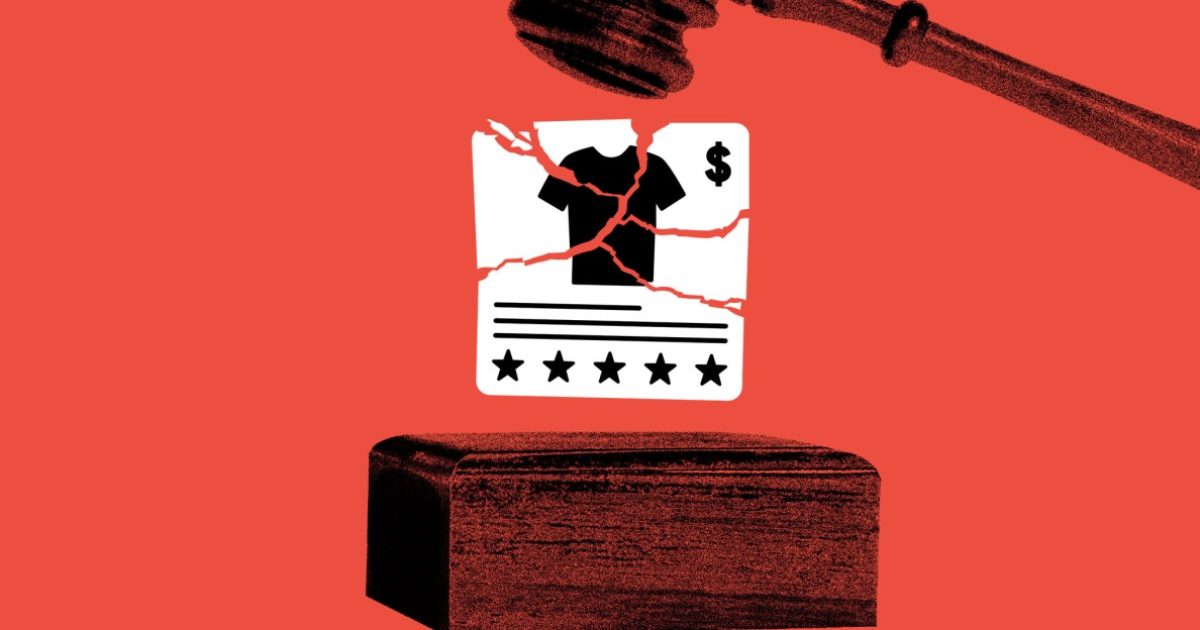
The U.S. state of Pennsylvania has taken a new regulatory step in the field of digital advertising, after Governor Josh Shapiro signed legislation known as the "AI-Generated Deceptive Advertising Act." The law requires advertisers to explicitly disclose any advertising material that has been generated or substantially altered using artificial intelligence tools — a clear signal that the debate over transparency in synthetic content is beginning to shift from ethical recommendations to binding legal text.
What the Law Specifically Stipulates
The law covers virtually every form of advertising: still images, video clips, audio material, and written text. If any of these materials has undergone "substantial" generation or modification via artificial intelligence, it must carry a disclosure label presented in the same format as the advertisement itself; that is, an audio advertisement requires an audio disclosure, and a visual advertisement requires a visual one.
More importantly, the obligation is not limited to large corporations with sizable budgets — it extends to the smallest local businesses, including simple promotional posts published by restaurants or small shops. In other words, the standard is the nature of the content, not the size of the advertiser.
Impact Beyond State Lines
One of the law's most notable features is that it applies to advertisements regardless of where they are produced, as long as they will be displayed within Pennsylvania. This means an advertising campaign produced in another state — or even outside the United States — but intended for broadcast through channels that reach the state's audience will be required to include the disclosure.
The expected practical outcome is that many advertisers will choose to apply the label more broadly than required, to avoid the complications of producing multiple versions of the same advertisement. A local regulation could thus become a de facto standard appearing in other markets, much like what happened earlier with data privacy laws that began locally and went on to shape corporate practices worldwide.
Interpretive Loopholes That Weaken the Impact
Despite the significance of the approach, the legal text leaves wide room for interpretation — the most prominent weakness observers point to:
- The "substantial modification" standard: The law sets no clear boundary separating routine enhancements such as color correction or noise reduction from interventions that genuinely alter the substance of the advertisement.
- Exemption for parody and criticism: Content presented in the context of satire, commentary, or criticism is exempt from the disclosure requirement — a broad exception that could be invoked in many cases.
- The notion of "obviously fictional": The law exempts content that clearly appears fictional, without defining what makes it so — a judgment that varies from one viewer to another.
- The "false perception" condition: The law's wording suggests that disclosure is required when synthetic content creates a false impression in the consumer's mind about a product or service, which raises a fundamental question: who decides that the impression is "false"?
These flexible formulations may complicate practical enforcement and open the door to legal disputes over the interpretation of each individual case, instead of providing a clear rule that advertisers and publishing platforms can rely on.
Why This Matters to Companies and Advertisers
With the rapid spread of tools for generating images, video, and audio, producing an entire advertisement with artificial intelligence has become possible at low cost in both time and money. This shift boosts marketing efficiency, but it also increases the potential for deception — especially when synthetic characters or scenes that look real are used to present unrealistic results or benefits.
Dealing with this type of regulation therefore requires institutional readiness, which can be summarized in several practices:
- Documenting the production stages of every advertising asset and identifying which parts were created with AI tools.
- Establishing a unified internal disclosure policy, rather than leaving the decision to each team's discretion.
- Designing the disclosure label in a clear format that neither disrupts the advertising message nor hides it from the viewer.
- Monitoring legislation in target markets, since regulation in this area is evolving quickly.
The Start of a Longer Regulatory Path
Pennsylvania is among the first states to mandate disclosure of AI-generated advertising content, and other states will likely attempt to draft similar rules while closing the loopholes that have appeared in this text. For businesses, the most important message lies not in the details of the law itself, but in the broader trend: transparency about the use of artificial intelligence is gradually shifting from an optional competitive advantage to a legal obligation with real accountability.
✦ بقلم فريق دروب أيديا
DROPIDEA
We hope this article has added real value to you. At DROPIDEA, we always strive to deliver high-quality content that helps you grow and evolve in the digital space. Follow us for more useful articles and guides.
Tags
Admin
DROPIDEA
Latest Articles
Short Seller Warned About Nvidia CEO's Ties Six Months Before the Scandal

Anthropic Pushes Ahead with IPO Plans Despite Market Turbulence

US Intelligence Memo: Alleged Recruitment Effort Targeting Nvidia's CEO

Independent Investigation at Nvidia into Its CEO's Relationship