The "Ambient AI" category is seeing a notable surge in investment this year, as wearable devices have evolved from mere step counters into assistants that listen, understand, and infer. Amid this momentum, a startup called Nirva has announced new funding of $25 million in a pre-Series A round, bringing its total raised to $33 million, following $8 million secured earlier in the year with participation from funds such as Lightspeed and South Park Commons.
A Different Idea: A Device That Hears Only Its Owner
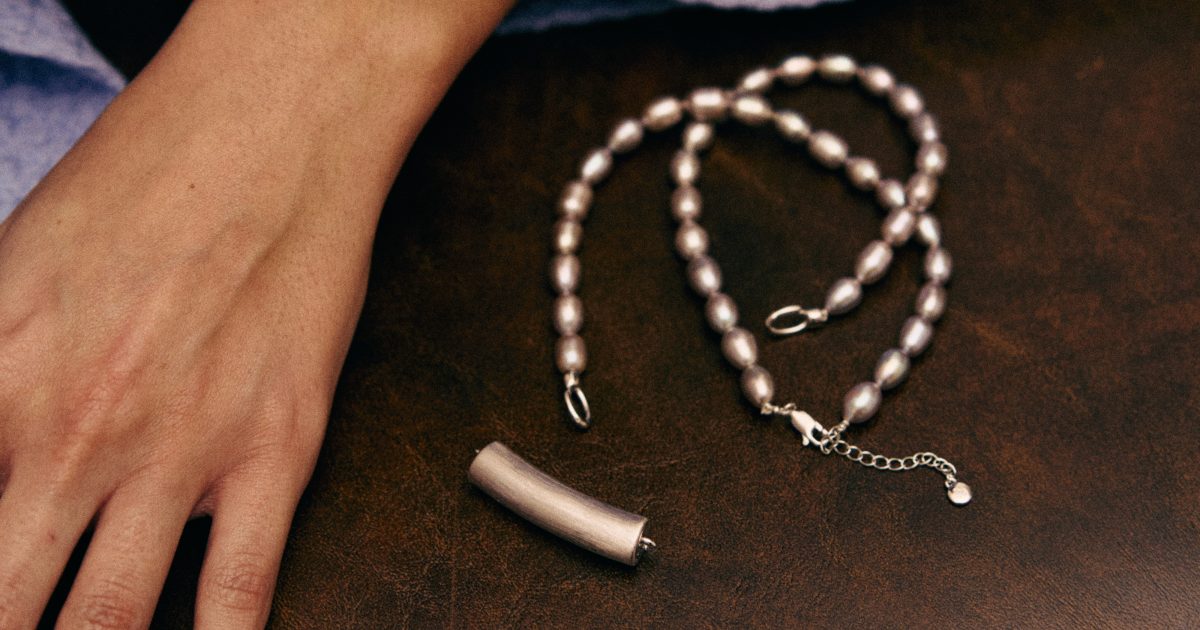
The differentiator Nirva is marketing isn't the form factor or the price, but rather who is granted access to the microphone. Most ambient devices on the market record everything happening around them: meetings, passing conversations, other people's voices. Nirva's pendant, by contrast, is designed to listen only to its owner's speech and ignore what those around them are saying.
The company says this is achieved through an initial setup phase in which the user records short clips of their voice, allowing the system to build a personalized voiceprint. After that, the device filters out any speech not coming from its owner and excludes it from processing. Nirva adds that, by default, it does not retain audio files or the text extracted from them once processing is complete.
Announced Specifications
- Weighs roughly no more than 8 grams, making it comfortable to wear all day.
- Battery life of up to three days on a single charge.
- Worn as a pendant, and convertible into a wrist bracelet.
- Priced at $249, in four colors: silver, brushed silver, black, and gold.
- Orders open in November, with the first units shipping before the end of the year.
Who's Behind the Company
Nirva was founded in 2025 by three partners: Wei Lu and Jason Chen, both of whom previously worked at Meta's Reality Labs, alongside Hanning Hu, who had previously founded a fashion and jewelry brand. This blend of hardware engineering and jewelry design explains the company's push toward a product meant to look like an accessory rather than a piece of tech.
Wei Lu, the company's CEO, explains that the product is neither a voice recorder nor a meeting-notes tool, but a device that works passively and continuously to "model" its owner and understand their way of thinking over time.
Personal Insights, Not Office Productivity
Nirva positions itself as a "personal insights company" more than a productivity tool. The companion app analyzes the user's speech and extracts patterns related to their personality: the people who recur in their life, the places they visit, and their daily observations, along with a read on their emotional state and communication style, complete with suggestions for improvement.
According to the company, before deleting the audio the system extracts indicators such as tone, pitch, intensity, and speaking pace, since these elements are used to infer the emotional state later displayed in the app. The app also provides alerts and actionable tasks; Lu offers a personal example in which she forgot to thank her mother for something, and the app reminded her later.
Lu stresses that the company doesn't claim to offer a one-size-fits-all solution, and that the tool's goal is to improve a person's self-understanding and increase their self-awareness and self-compassion.
A Crowded Market and Unresolved Questions
Nirva is entering a rapidly expanding competitive arena. Amazon has launched a wrist device through its acquisition of Bee, a former Plaud executive has launched Ambi for ambient AI applications with plans to build its own hardware, and Apple added "voice intelligence" features with its iPhone launch in September. There's also Taya, backed by former Apple employees and working on smart jewelry, alongside companion devices like Friend and Bee, and other products such as Vocci and the Sandbar ring.
The biggest challenge in this category remains privacy. The Ray-Ban Meta glasses experience showed that the concern isn't limited to the device's owner, but extends to those around them who feel they're being watched. Nirva's approach—having the device hear only its owner—represents a clever attempt to address this point, but practical acceptance will depend on how accurately it filters voices, the company's transparency around storage policies, and its ability to prove that what it claims about deleting data is actually implemented. These are questions that real-world use will answer with the first batch of users early next year.
✦ بقلم فريق دروب أيديا
DROPIDEA
We hope this article has added real value to you. At DROPIDEA, we always strive to deliver high-quality content that helps you grow and evolve in the digital space. Follow us for more useful articles and guides.
Tags
Admin
DROPIDEA
Latest Articles
Short Seller Warned About Nvidia CEO's Ties Six Months Before the Scandal

Anthropic Pushes Ahead with IPO Plans Despite Market Turbulence
US Intelligence Memo: Alleged Recruitment Effort Targeting Nvidia's CEO
Independent Investigation at Nvidia into Its CEO's Relationship