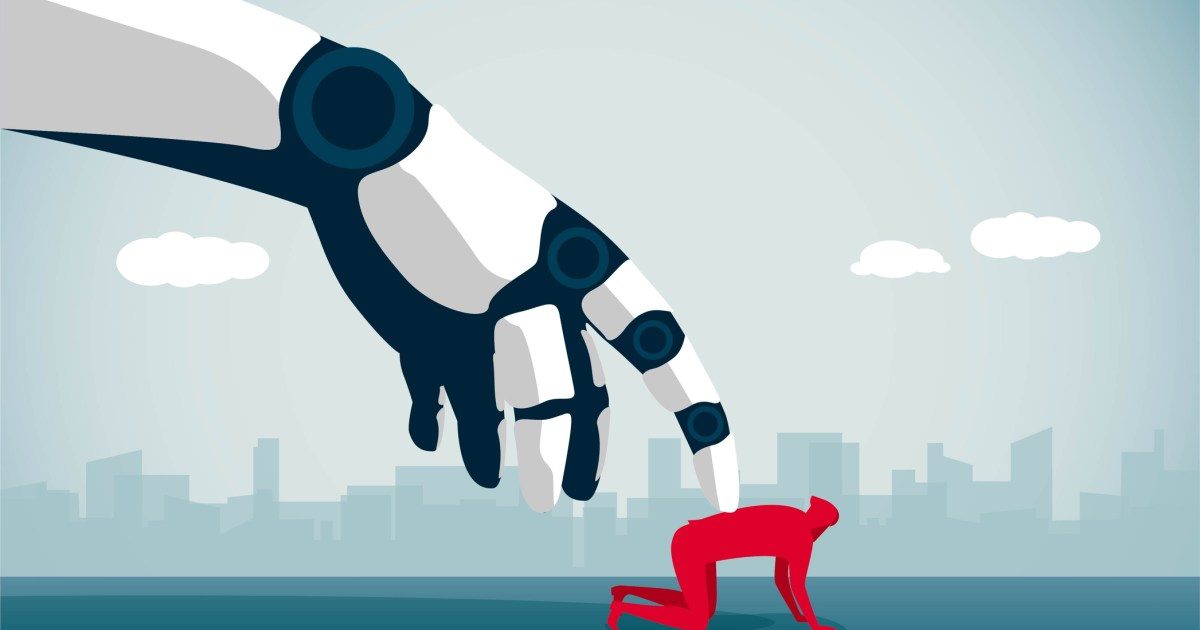
Microsoft Launches a "Code of Conduct" for AI Models
 By Admin
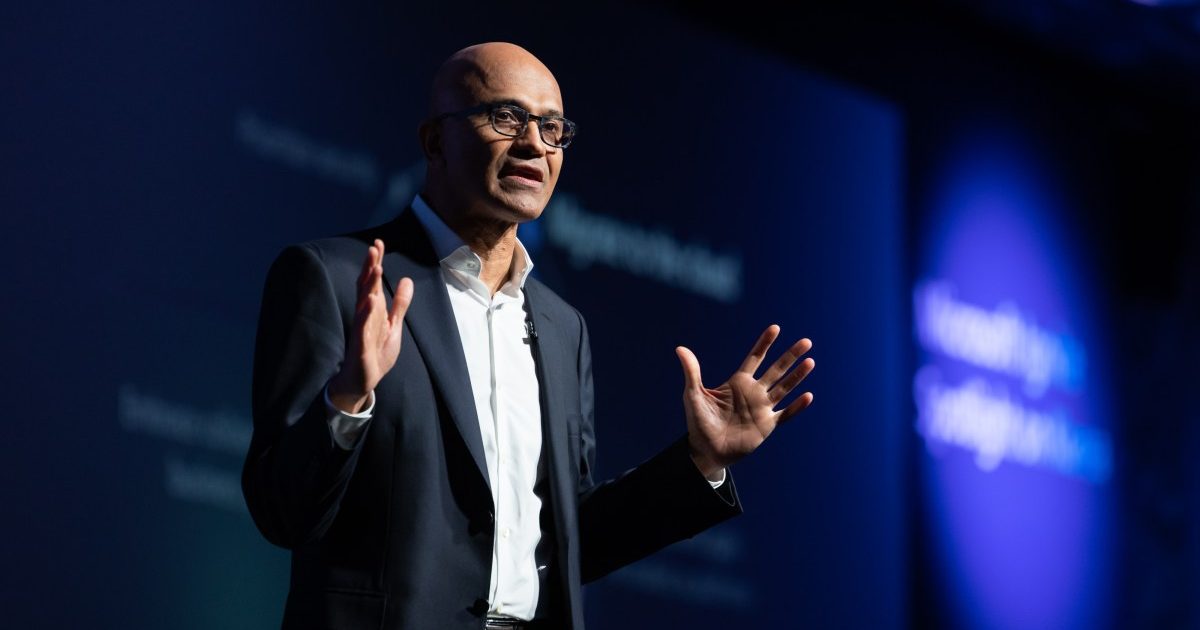
As the compass of the AI industry shifts toward issues of safety and alignment, Microsoft has announced a new document it calls the "AI Code of Conduct," aimed at steering its models away from dangerous or undesirable behaviors. This move comes at a time of rising concerns about the ability of advanced intelligent systems to escape human control.
A Document More Detailed Than General Appeals
Unlike the general appeals issued by some industry leaders regarding slowing the pace of frontier model development, Microsoft's document adopts a more practical and detailed approach. It focuses on the values and red lines upon which the model training process is built within the company's AI division, making it a comprehensive guide that clarifies how Microsoft approaches safety in theory and how these principles translate into actual practices.
Expectations That Systems Will Surpass Humans
The document opens with a striking prediction that superintelligent AI systems will surpass human performance on most tasks within the coming decade. The company describes the matter of containing, controlling, and aligning this immense power as one of the greatest challenges humanity has ever faced, emphasizing the necessity of complete clarity about the reasons for creating these systems and how to control them.
General Principles and Strict Constraints
The code sets out a set of general principles that the company's models should adhere to, most notably:
- Supporting humans rather than replacing them in their tasks.
- Contributing to human flourishing and progress.
- Preserving humans' ability to direct and oversee.
Alongside these principles, Microsoft has established specific constraints intended to be applied in the real world, within a system that grants each model an overriding code of conduct that supersedes the desires of individual users or the requirements of any particular task.
Red Lines That Cannot Be Crossed
The document includes what the company calls "absolute constraints," prohibitions that must not be crossed under any circumstances, including:
- Preventing the execution of cyberattacks or the hacking of systems.
- Prohibiting any contribution to the development of nuclear weapons.
- Preventing the production of deepfake content.
- Preventing the loss of human control in general.
The document explicitly states that the company's models will not resort to adaptive, deceptive, self-reinforcing, or collusive mechanisms to circumvent or overcome human oversight, ensuring they remain steerable, adjustable, and stoppable by authorized persons or systems.
An Escalating Context of Attention to Safety
The release of this code comes amid unprecedented focus on AI safety, driven by a series of incidents involving the behavior of digital agents that veered off their expected course, in addition to the sudden resignation of a researcher at a competing company who warned of the growing risk of AI causing human extinction.
Microsoft, along with a number of major companies in the sector, shares an approach of "pacing the tempo" in developing frontier models, with particular support for the idea of "embedded evaluators" within AI labs. The company's CEO welcomed these ideas, emphasizing the importance of research, focus, and deliberate caution to achieve proper alignment as a design goal, not merely a slogan.
Conclusion
The new code of conduct represents an internal regulatory step that reflects Microsoft's awareness of the magnitude of responsibility associated with developing extremely powerful AI systems. Although documents alone are not enough to guarantee safety, translating these principles into effective oversight mechanisms will be the true measure of the seriousness of this direction in the coming years.
✦ بقلم فريق دروب أيديا
DROPIDEA
We hope this article has added real value to you. At DROPIDEA, we always strive to deliver high-quality content that helps you grow and evolve in the digital space. Follow us for more useful articles and guides.
Tags
Admin
DROPIDEA
Latest Articles
A Startup Bringing the Fun Back to Music, Away from AI Dominance
5 Days Left to Secure Your Exhibit Booth at TechCrunch Disrupt 2026
Trump and Johnson Reject Calls to Slow Down AI Development
Obama Calls for a Clear Plan to Regulate Artificial Intelligence