Meta Launches the 'Muse' AI Agent: Will Users Place Their Trust in It?
 By Admin
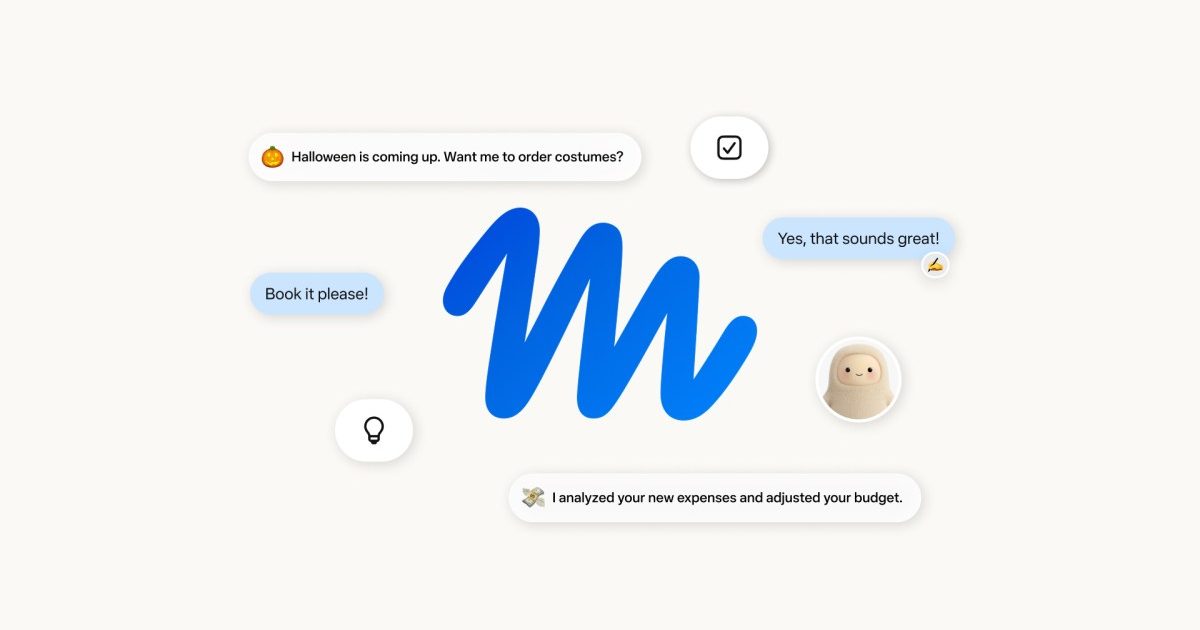
Just days after Meta agreed to a massive $18 billion legal settlement in lawsuits related to the harms of social media on users, the company announced its biggest bet yet in the field of consumer-facing artificial intelligence. The new bet is called «Muse», a personal AI agent designed to carry out daily tasks on behalf of users in the United States. The irony, however, is that this product requires a level of trust far greater than social media platforms ever demanded.
What Does the Muse Agent Do?
Unlike chatbots that merely answered questions or played the role of a digital advisor, «Muse» focuses on actually executing tasks. It works by connecting to the apps and services a person uses in their daily life, such as email, calendar, payment systems, fitness and smart home apps, shopping, music, and events.
According to the company, the agent can perform a wide range of tasks, including:
- Sending emails and booking trips.
- Filling out forms and drawing up plans.
- Turning cooking clips into ready-made shopping lists.
- Sending party invitations and completing purchases via the Link by Stripe service.
This payment service provides purchase protection, which may ease users' concerns about letting AI handle purchases on their behalf, with plans to add integrations with Shop Pay and 1Password soon.
How Does It Work and Where Can It Be Accessed?
«Muse» gives users the freedom to choose which apps they want to connect, one at a time, to make the approval process more transparent. The agent relies on Meta's new model called «Muse Spark», and comes equipped with ready-made connectors for a number of services. If the requested service isn't available but offers a public API, the agent can establish a connection using the user's data; in the absence of an API, it resorts to browser-based access.
The agent will initially be available on the web at muse.ai, on iOS and Android apps, and through WhatsApp chats, with plans to later reach Meta's smart glasses. The service is free at its core, with subscription plans kicking in as usage increases: the Power plan at $20 per month, and the Maximum plan at $100 per month, though the company expects most users to remain in the free tier.
The Age of AI Agents Intensifies
Meta is not alone in this idea; the AI agent market has become a fiercely competitive arena for both major companies and startups alike. Some have bet on AI browsers or services capable of launching multiple tasks on behalf of users, while others have moved toward embedding AI within the most widely used messaging apps.
Yet the power of these tools pushes users to confront thorny questions about just how much privacy they are willing to give up. Some early testers of AI assistants were shocked to discover that apps requested broad, near-permanent licenses to access, use, and store their materials, and even modify them to train models.
Promises of Security Against a Burdened Past
Meta asserts that «Muse» operates within an isolated environment called «Muse Secure VM», a secure virtual computer with a dedicated browser, meaning the agent does not see passwords or payment methods. The company also stresses that the agent does not share users' conversations or data with its advertising systems, with a separate oversight agent called «Sentinel» running on the same platform but isolated from Muse at the system level.
Nevertheless, the most important question remains: does Meta have enough user trust to make this agent a success? The company carries a long record of contradiction between what it announces and what it does. In 2011, it settled charges with the Federal Trade Commission over deceiving users by disclosing their private information without consent, and in 2019 it received a record fine of $5 billion in a settlement covering eight privacy-related violations.
Added to this are prominent technical failures, such as the 2019 discovery of passwords stored in readable form, as well as the infamous «Cambridge Analytica» scandal that still lingers in the minds of many. While the company provides detailed documentation of its security measures, truly verifying these promises will still require scrutiny from security experts, and earning trust remains the toughest test facing «Muse».
✦ بقلم فريق دروب أيديا
DROPIDEA
We hope this article has added real value to you. At DROPIDEA, we always strive to deliver high-quality content that helps you grow and evolve in the digital space. Follow us for more useful articles and guides.
Tags
Admin
DROPIDEA
Latest Articles
Cognition Reaches $48 Billion.. The AI Coding Market Has Room for Everyone

Hackers Steal Token Balances from Claude Subscribers

Mistral Raises €3 Billion, Betting on 'Sovereign AI'

Chrome Moves to Biweekly Updates to Counter AI Threats