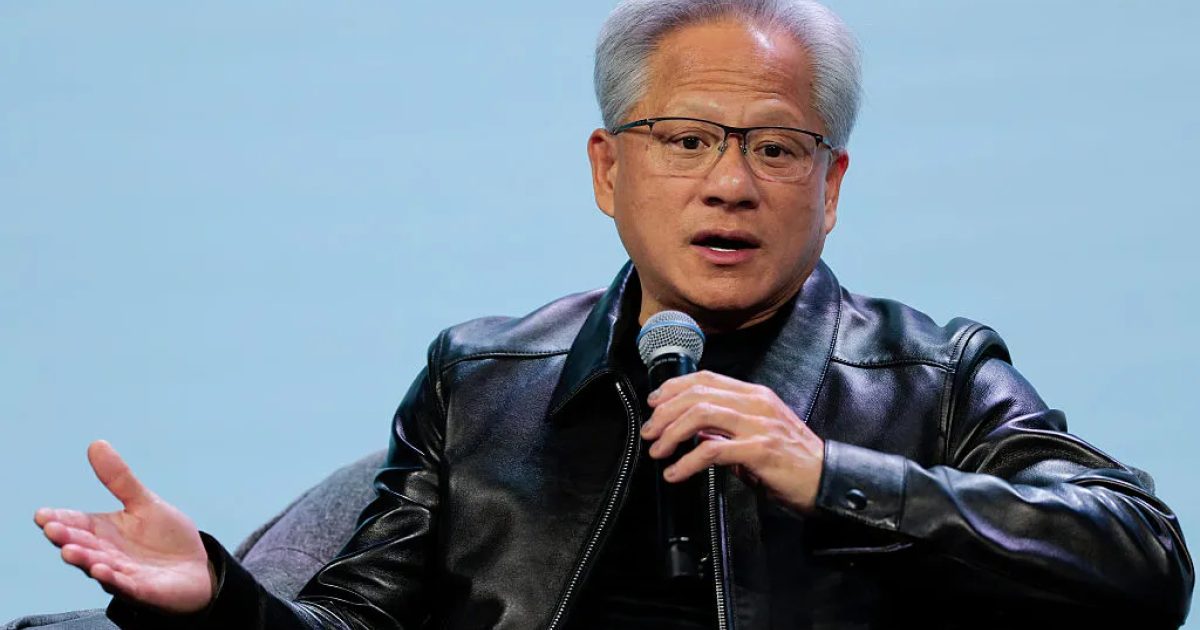
Jensen Huang's resignation as CEO of Nvidia, after thirty-three years spent founding and leading the company, sent shockwaves that extended well beyond semiconductor markets and struck at the heart of the AI startup ecosystem. Huang was not merely a chipmaker; in recent years he had become one of the largest financiers of startups in the sector, and a benchmark that other investors consulted before making their own decisions.
Nvidia as a Giant Investment Fund
Over the past few years, Nvidia has poured tens of billions of dollars annually into startups, participating this year alone in roughly 105 funding rounds according to PitchBook data, and serving as the largest investor in many of them. This heavy presence made the company a backbone for an entire generation of technology ventures, particularly those operating in capital-intensive infrastructure layers.
Among the most prominent bets the company backed:
- Cloud computing providers specializing in AI, such as CoreWeave before its IPO, and Crusoe, in two of whose funding rounds Nvidia participated.
- Open-weight model companies, headlined by its acquisition of Hugging Face for nearly $13 billion.
- Stakes in companies such as France's Mistral, Lambda, and Black Forest Labs.
- An $800 million check as part of a $2 billion round for Reflection, before the company had generated meaningful revenue.
Decisions Made by a Single Person
Investors who have dealt with Nvidia note that most major investment decisions came from Huang personally, which explains the current level of anxiety. The absence of the decision-maker means suspending or reviewing a long string of deals that were under consideration, pending clarity on the new management's vision.
Colette Kress, the former chief financial officer, is assuming the role on an interim basis, and observers expect her to adopt a more conservative approach to startup investment — especially given that Nvidia's expansion into financing data center projects has been a recurring concern for Wall Street analysts, who viewed it as a form of circular financing.
Why the Impact Goes Beyond Money
The value of Nvidia's participation in funding rounds was not purely financial; it was a signal of confidence. When the company's name appeared on a cap table, other investors felt reassured and accepted elevated valuations for companies that had yet to generate revenue. According to one investor, infrastructure companies needing between $100 million and $500 million to purchase GPUs were able to raise half that amount at valuations exceeding $1 billion thanks to Nvidia's early entry.
With that role diminishing, we are likely to see:
- A decline in valuations for AI infrastructure companies.
- Smaller, more selective checks, even within Nvidia's existing portfolio.
- Hesitation from traditional venture capital funds, and possibly the temporary freezing of some deals.
- Particular pressure on ventures outside the United States, especially in Europe, which enjoyed notable support from Huang.
The Flip Side: An Opportunity for Competitors
On the other hand, some analysts argue that Nvidia's dominance in funding carried a monopolistic dimension: backing startups with generous checks effectively tied them to Nvidia's chips and its CUDA software platform, reinforcing the company's market position. Any contraction in that support could therefore open the door for competitors such as Google, Amazon, Microsoft, and AMD to draw startups toward their own chips and cloud services.
Expectations remain cautious, however, as investors doubt these companies' willingness to pour hundreds of millions into infrastructure ventures that have yet to generate revenue, in the way Nvidia habitually did. Competition for the "investment crown" will depend on who can combine a strong product with a developer community capable of rivaling CUDA, along with the financial capacity to absorb long-term risk.
Will the AI Boom Come to a Halt?
Despite the scale of the disruption, most observers agree that a slowdown in Nvidia's investments will not, on its own, halt the AI wave. Demand for computing power and applied models remains strong, and funding sources are plentiful. As one former Nvidia employee who now runs an investment fund put it, the ecosystem is bigger than any one person, and the talent it has built will carry on.
The most important lesson for entrepreneurs today is the danger of relying on a single financier, however entrenched they may appear, and the necessity of building business models capable of generating real revenue rather than leaning on valuations grounded in the confidence of one particular party.
✦ بقلم فريق دروب أيديا
DROPIDEA
We hope this article has added real value to you. At DROPIDEA, we always strive to deliver high-quality content that helps you grow and evolve in the digital space. Follow us for more useful articles and guides.
Tags
Admin
DROPIDEA
Latest Articles

LangChain Valued at $3 Billion After New Funding Round
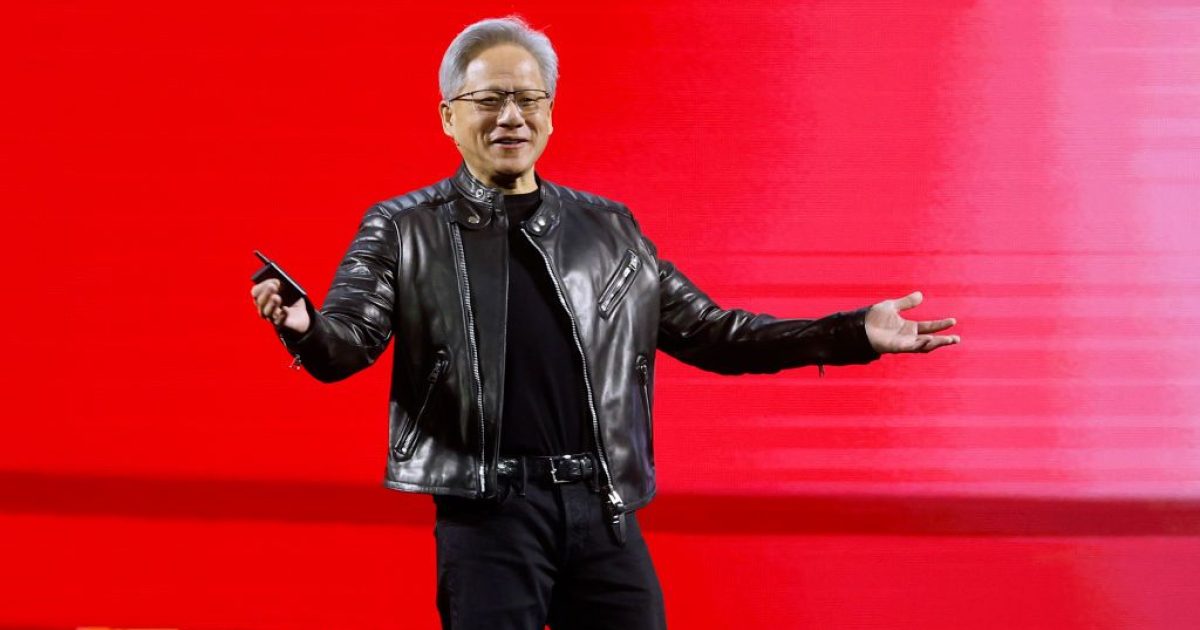
The Jensen Huang Crisis: A Personal Scandal Turns Into a National Security Case
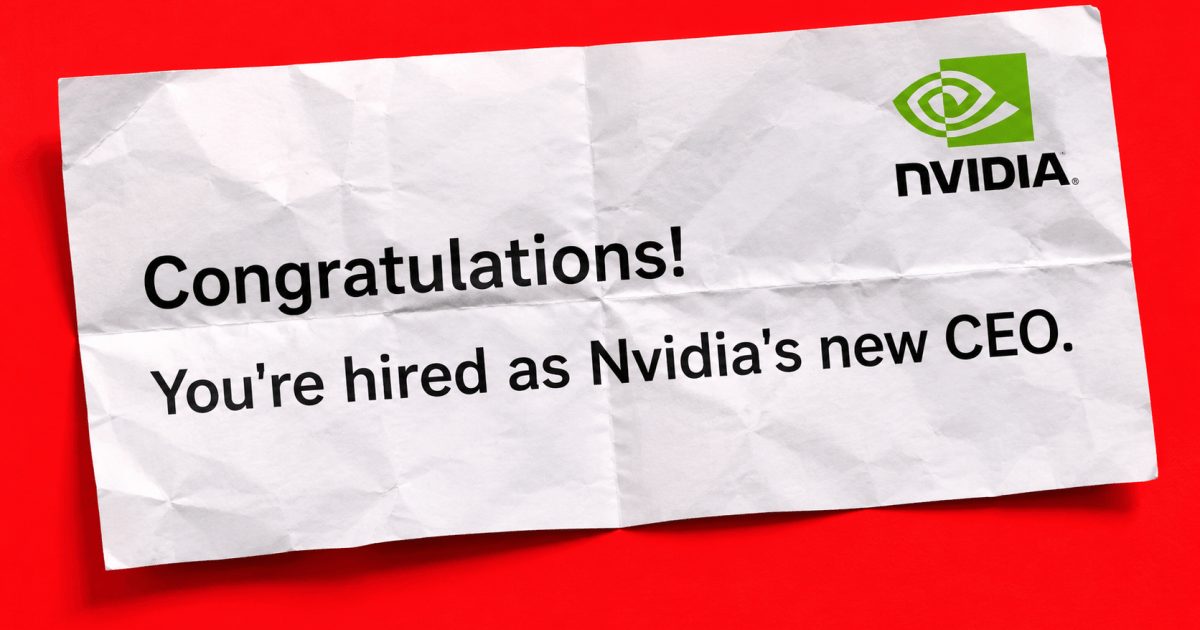
Who Will Succeed Jensen Huang at the Helm of Nvidia? A List of Potential Candidates

New York Safety Law Puts OpenAI and Anthropic Under Fresh Scrutiny