Chrome Moves to Biweekly Updates to Counter AI Threats
 By Admin
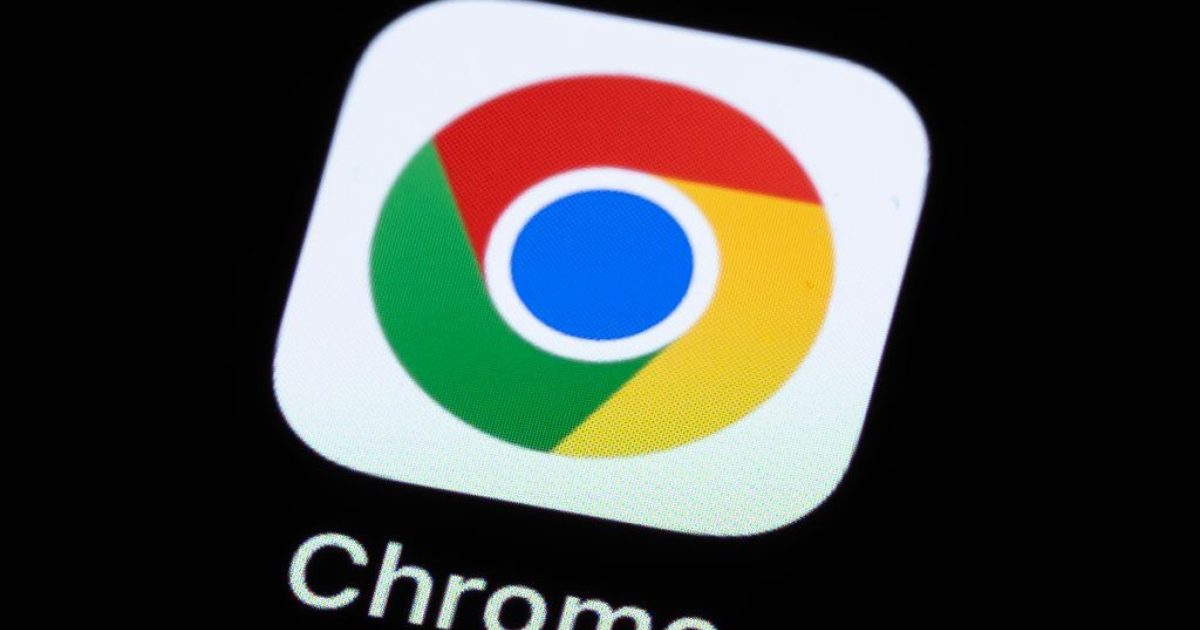
Google has announced a notable step in the journey of its most popular browser, officially shifting from releasing updates every four weeks to launching them every two weeks. This came with the rollout of "Chrome 153" on Tuesday across desktop, "iOS," and "Android" platforms, fulfilling a promise the company had made earlier this year. This change is not merely an adjustment to the timeline; it is a direct response to a shifting security landscape in which AI tools are rewriting the rules of the game.
Why Now? AI Is Changing the Security Equation
Google explains that the main driver behind shortening the release cycle is tied to the evolution of its security strategy in the age of artificial intelligence. As reliance on intelligent automated tools for discovering vulnerabilities grows, in addition to bug reports coming in from the developer and user community, the volume of required patches and updates has risen significantly. Here, a shorter release cycle becomes a practical means of managing this increasing volume of security fixes more efficiently.
More importantly, the threats themselves have become faster to emerge and spread, with some also attributed to AI capabilities. Consequently, narrowing the time gap between the moment a fix is added to the public source code and the point it actually reaches the end user has become crucial to protecting millions around the world.
Narrowing the "N-Day" Security Gap
Among the key benefits Google is betting on is reducing what is known as the "N-day gap," which is the period between the discovery and disclosure of a security vulnerability and the availability of a patch that addresses it. The narrower this gap, the less time attackers have to exploit known vulnerabilities. Therefore, releasing updates every two weeks keeps this dangerous window as narrow as possible.
The Feature Race and Escalating Competition
The impact of the faster pace is not limited to the security side; it extends to Chrome's ability to roll out new features at a higher rate. This is a critical factor amid the wave of competing browsers that AI-powered development has enabled to emerge quickly. Although OpenAI's "ChatGPT Atlas" browser was discontinued, the market remains crowded with options seeking to carve out a share of Chrome's dominance, most notably:
- The Brave browser, known for its focus on privacy.
- The emerging Dia browser.
- The Opera Neon browser.
- The Comet browser from Perplexity.
- The DuckDuckGo browser.
In turn, Google itself is experimenting with adding more AI features to Chrome while developing and improving them frequently and rapidly, which naturally requires a more agile update cycle.
An Impact That Extends Beyond Chrome to the Entire Web
Given Chrome's position as the most widely used browser in the world, its changes often become a standard followed by the entire industry. Companies such as "Mozilla," "Microsoft," and "Brave" have already begun adopting a faster biweekly release schedule, following Google's lead.
Not the First Time
It is worth noting that Google is no stranger to adjusting its release schedule to speed up patch management. The company first moved to the four-week cycle in 2021, after previously being at six weeks, in line with the "release early, release often" philosophy it established more than a decade ago. This latest step confirms that speed and security have become two sides of the same coin in a world where AI technologies are reshaping the standards of both development and protection.
✦ بقلم فريق دروب أيديا
DROPIDEA
We hope this article has added real value to you. At DROPIDEA, we always strive to deliver high-quality content that helps you grow and evolve in the digital space. Follow us for more useful articles and guides.
Tags
Admin
DROPIDEA
Latest Articles
Mistral Raises €3 Billion, Betting on 'Sovereign AI'
Google Cloud Partners with Accenture to Boost AI Tool Deployment in Enterprises

Audi A2 E-tron: Audi's Most Affordable and Most Efficient EV

Arm Brings PC Gaming Technologies to Phones via the Mali G2-Ultra NX Processor