Apple's New Watch Normalizes the Idea That Our Devices Are Always Listening
 By Admin
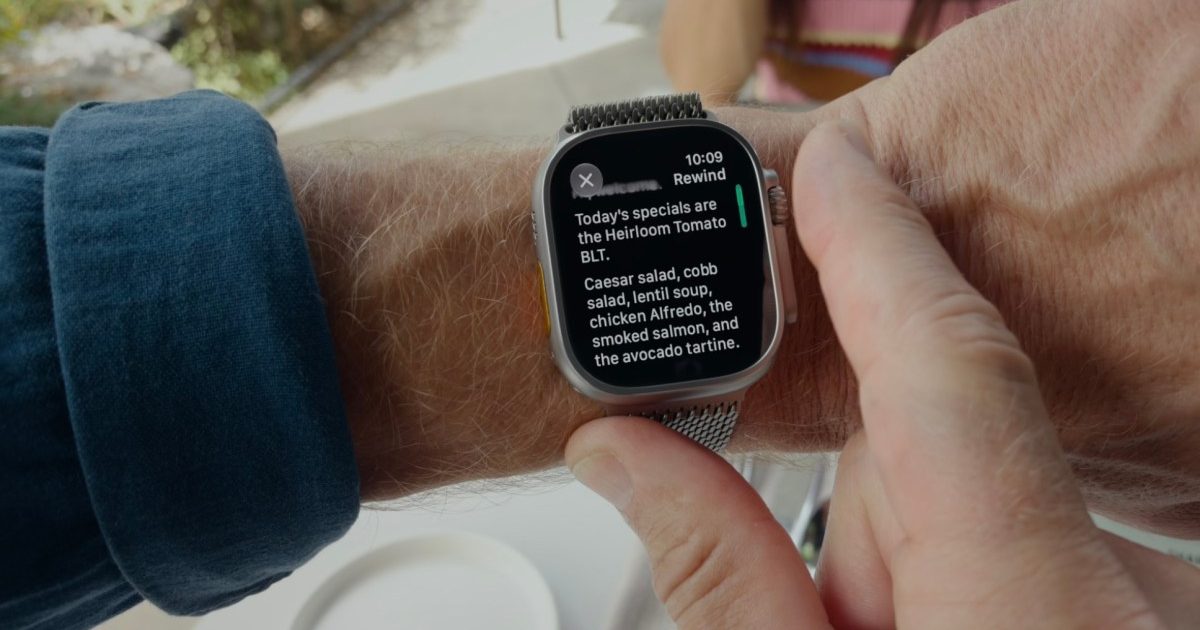
During its "Awe Dropping" event, Apple unveiled its new lineup of devices, but the real surprise wasn't the foldable iPhone—it was the decision by a company known for its commitment to privacy to make its watches capable of processing live audio and transcribing what's said into text. This move pushes consumers toward a new reality: their devices may be in a constant state of listening.
Does This Mean You're Constantly Being Recorded?
The straightforward answer: not exactly. However, the mere possibility that someone wearing an Apple Watch might record what you say could make many people uncomfortable. This development raises a fundamental question: do users actually want this technology, or did Apple move forward with it out of fear that companies like OpenAI might beat them to market with a competing AI device?
Today, several startups are betting that AI-powered audio transcription represents a key consumer use case, whether for taking meeting notes or recording lectures and interviews. Some companies, like the "Friend" pendant and Amazon's "Bee" device, have gone even further with always-on digital companions that silently take notes throughout your day.
Three Features Between Usefulness and Intrusion
Apple has taken a slightly different path through three new features that walk a fine line between usefulness on one hand and what feels like intrusive technology on the other:
- Audio Intelligence: A helpful feature for people with hearing impairments, it alerts the user to sounds such as sirens, alarms, doorbells, and crying babies using AI that runs on the device itself, even without a phone. It could save a user's life when a fire alarm or carbon monoxide detector goes off.
- Live Rewind: Allows you to go back 15 seconds and transcribe what was just said by double-pressing the Digital Crown, with the option to save the text in the new Siri app.
- Siri Recap: Relies on ambient listening to take general notes about conversations, automatically generating a title, summary, and key points without producing a verbatim transcript.
While "Audio Intelligence" raises no objections, the other two features move things from the realm of assistive technologies into a more controversial gray area.
The Problems of Consent and Law
The "Live Rewind" feature carries implications related to consent, both ethically and legally. In practice, a user could record what anyone said without their knowledge or wishes. Companies like "Plaud" advise their customers to obtain the necessary legal consent before recording, while Amazon's "Bee" terms of service remind users that they alone are responsible for complying with minors' data privacy laws.
Because Apple does not retain the original audio, it remains unclear how courts will treat text-only transcripts; they may be submitted as evidence, but their lack of audio could make verification more difficult, with legal rules varying by state.
A Deeper Cultural Impact
Studies indicate that recording devices have changed people's behavior in real life, much as social media and digital surveillance culture have. Knowing that you might be recorded at any moment weakens the spontaneity of your expression and interaction with others.
And while taking a photo or shooting a video requires a clear motion, capturing audio to convert into text with a press of the Digital Crown is a far more subtle gesture, even if accompanied by an alert sound and an animated microphone on the screen.
Apple's Privacy Safeguards
Apple has tried to reassure users that it took privacy into account with these features, clarifying a number of points:
- The "Siri Recap" feature is not enabled by default at all times; rather, the user chooses when it operates.
- The feature can be turned on and off at any time from the Control Center.
- The company does not create or store audio recordings, and the raw audio is not even available to Apple itself.
- Speakers are not identified, and transcripts and summaries are protected with end-to-end encryption.
The question remains: are these safeguards enough to keep users from finding the feature unsettling? Either Apple has found the right balance between usefulness and privacy, or it is about to face a wave of consumer pushback.
✦ بقلم فريق دروب أيديا
DROPIDEA
We hope this article has added real value to you. At DROPIDEA, we always strive to deliver high-quality content that helps you grow and evolve in the digital space. Follow us for more useful articles and guides.
Tags
Admin
DROPIDEA
Latest Articles
Maven Robotics Emerges from Stealth with $100 Million in Funding to Automate Warehouses

AI Agents Flood Public Services with Citizen Requests

Massachusetts Requires Data Centers to Use Clean Energy
OpenAI Adds Prominent Researcher Concerned About AI Risks to Its Board