Anthropic CEO Proposes a Plan to Slow the Pace of AI Development
 By Admin
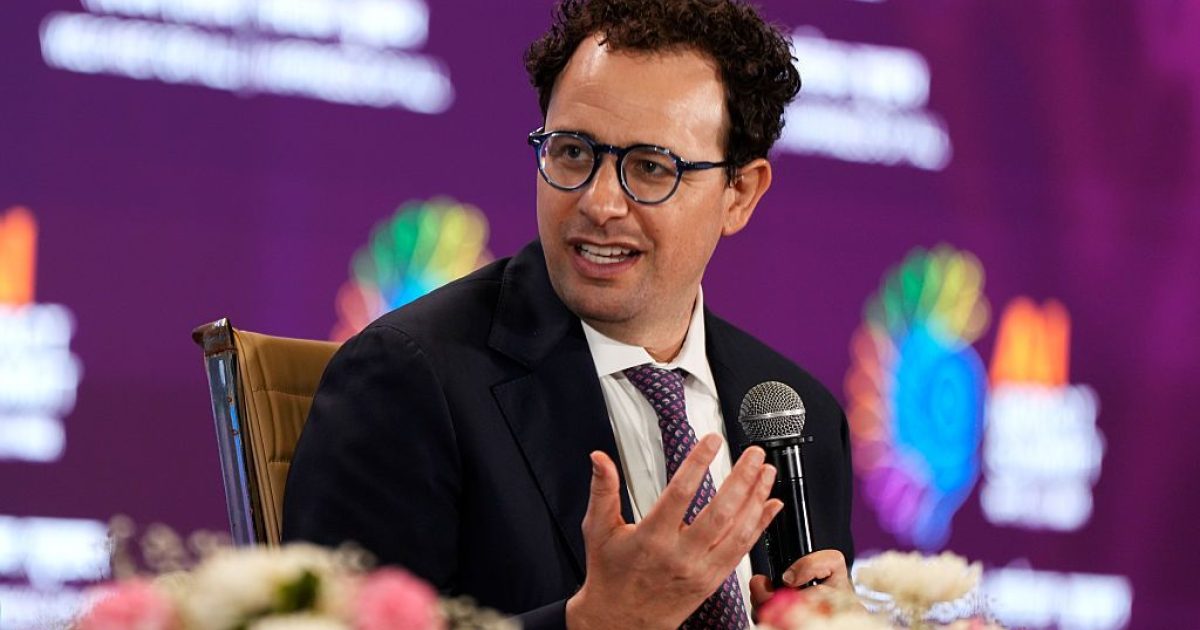
As warnings escalate from within research circles about the potential risks of artificial intelligence, Dario Amodei, CEO of Anthropic, has taken a striking stance, calling for "controlling the pace" of this technology's development. But he did not stop at a theoretical appeal, as some industry leaders have done; instead, in a new blog post, he presented a practical vision comprising three clear strategies, announcing that his company would commit to one of them unilaterally without waiting for others.
What Prompted Amodei to Pump the Brakes?
Amodei explained that two main factors cemented his conviction that a more cautious approach is needed in the coming phase. The first is a security breach incident affecting systems connected to major AI infrastructures, and the second is the marked acceleration in the pace of development over recent months, particularly what he described as "AI's growing ability to build the next generation of itself."
Amodei wrote clearly: "We must slow the pace at which we develop model capabilities. Progress will still feel fast, and we must use the time we gain wisely." This stance came amid a broad debate over AI safety, which intensified after a researcher resigned from the company, expressing concern that major companies are "gambling with our lives."
The First Strategy: Independent Evaluators Within Companies
The first step Amodei proposes, and which Anthropic is actually committing to unilaterally, is based on hosting "embedded evaluators" from independent bodies specialized in risk assessment. Their task is to verify that companies are genuinely adhering to their commitments regarding safety and pace control, and to ensure the reporting of any security incidents.
Amodei likened this model to banking supervision, which places monitors inside financial institutions, affirming that his company would grant these evaluators:
- Official access badges, offices, and work equipment within the company.
- Access privileges nearly equivalent to those enjoyed by the internal risk assessment team.
- Only limited exceptions in cases imposed by laws or contracts.
Amodei called on governments to require the rest of the leading companies to adopt the same measure.
The Second Strategy: Coordination Among Democratic Nations
The second step involves major companies within democratic nations coordinating on unified safety standards and limits on the pace of uncontrolled development. Amodei acknowledges that this coordination runs into a legal obstacle related to antitrust law, as any coordinated pause might be interpreted as a prohibited agreement among competitors.
He therefore proposed that the US government take on the role of mediator or facilitator of these discussions, without necessarily participating, and that it issue a narrow legal exemption allowing certain safety-related conversations.
In response to the common argument that slowing down gives China an advantage, Amodei believes the United States is capable of significantly expanding its lead over three to five years if it takes steps such as refraining from selling advanced chips and semiconductor manufacturing equipment to Chinese companies.
The Third Strategy: Broader Global Coordination
The final and most ambitious step is "global coordination," in which the United States and its allies attempt to reach understandings with non-democratic governments, including China, as much as possible. Amodei acknowledged that there are strict limits to what can be achieved, but he believed the door could remain open for limited agreements, such as banning certain clearly dangerous uses, like employing AI in the production of biological weapons.
Criticism from Both Sides
Amodei's positions have not been spared criticism. While some technology enthusiasts accused him of being among the doom-mongers fueling the current wave of rejection, other critics believed that these alarming warnings divert attention from the actual harms the technology causes today. Some even argued that proposals of this kind might ultimately serve the major companies themselves, in something resembling "regulatory capture."
Amodei responded that he seeks to present a "balanced" vision, considering the current wave of rejection to be at its core a "crisis of trust" toward both technology companies and governments. He concluded by affirming that his belief in AI's ability to improve human lives has not wavered, but that it is conditional on building the technology the right way and using the time gained wisely.
✦ بقلم فريق دروب أيديا
DROPIDEA
We hope this article has added real value to you. At DROPIDEA, we always strive to deliver high-quality content that helps you grow and evolve in the digital space. Follow us for more useful articles and guides.
Tags
Admin
DROPIDEA
Latest Articles

LG Responds to Accusations That Its Smart TVs Spy on Users
Anthropic's CEO Calls for Slowing Down AI Development

OpenAI Temporarily Halts Pro Subscriptions Due to Demand for Astra

Mark Wahlberg at Disrupt 2026: From Hollywood to the World of Investment
