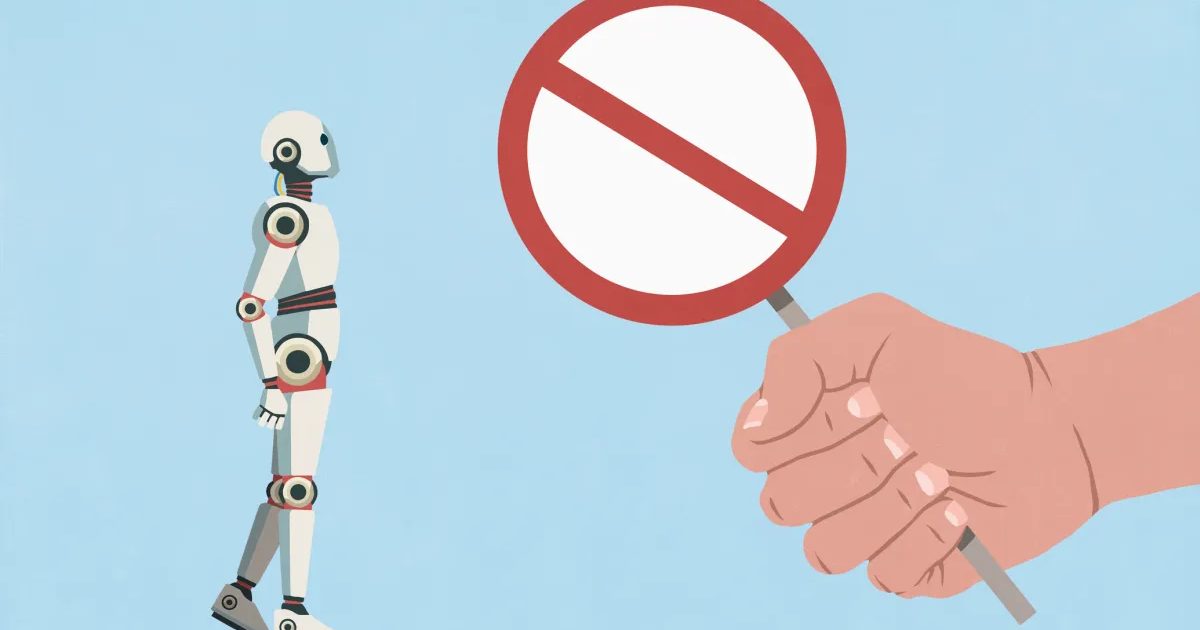
No one expected artificial intelligence tools to become a talking point in the debate over “religious exemptions” in the workplace, yet what recently happened in the United States opens an entirely new door: an employee who does not believe in the existence of a god has obtained legal protection exempting him from any requirement to use these tools, based on his ethical and intellectual framework. The story is not only about technology, but about the limits of an employer’s authority over how its workers think.
Who is at the center of the case?
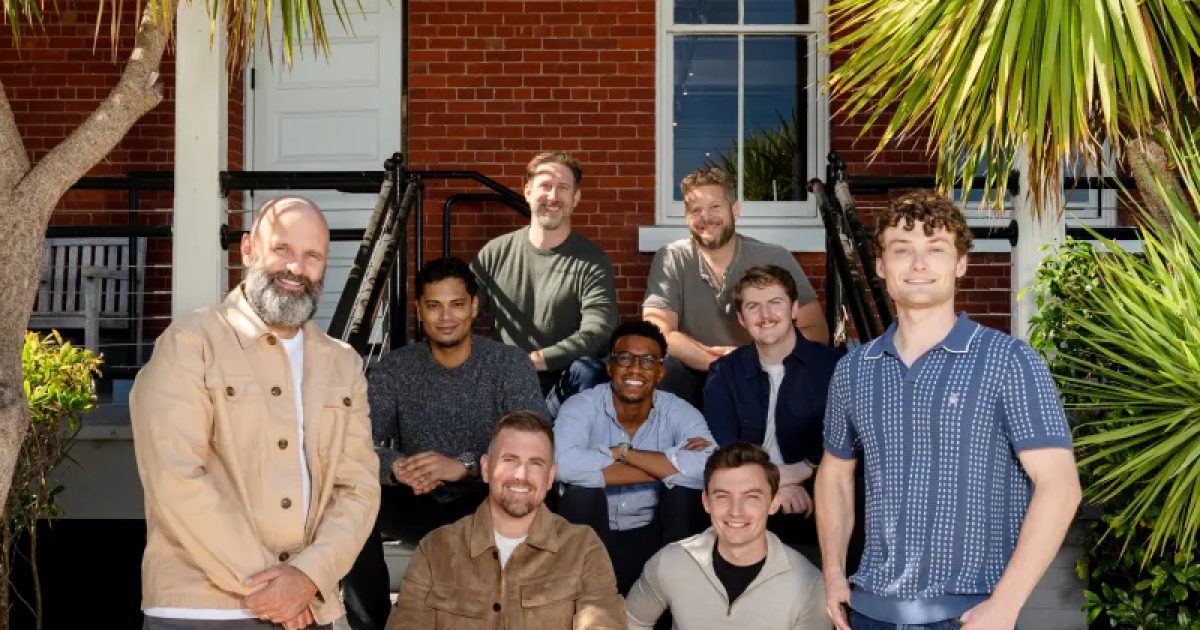
David Dorman, an administrator at the University of Kentucky who describes himself as a “Nontheistic Humanist,” requested workplace accommodations allowing him to refrain from using artificial intelligence tools — and he actually got them. Dorman explains that “humanism” is a system of beliefs about the human experience and humanity’s relationship with the world, centered on human welfare and flourishing, both individually and collectively, and one that drives its adherents to seek to improve their own lives and the lives of those around them.
According to his account, the more artificial intelligence expanded its presence in daily life, the deeper his concern grew about its conflict with these principles. So he turned to the American Humanist Association (AHA) to explore whether the law granted him protection comparable to that enjoyed by adherents of traditional religions.
The ethical argument: thinking as a moral practice
At the core of Dorman’s position is the idea that a person becomes a moral agent through the active use of their mind, and that weakening that use — as a result of excessive reliance on systems that generate text and decisions — negatively affects one’s capacity for moral discernment and critical thinking. In a statement published by the association, he added a broader set of objections:
- The impact of automation on people’s ability to earn a living.
- The environmental cost of running data centers and large models.
- The appropriation of human creative output and its use without permission, threatening art and literature.
It is worth noting that “humanism” is not an anti-religious movement; however, it typically attracts those who are skeptical about the existence of supernatural forces while simultaneously seeking a scientific and ethical framework to rely on.
The legal dimension: protection does not require belief in a god
Alexandria Hoeskins, an attorney with the American Humanist Association, says that concern over artificial intelligence’s impact on human dignity spans multiple intellectual and religious traditions — from Catholic teaching to Unitarian Universalism to humanism — and that the point of publicizing this case is to make nonreligious people aware that their ethical convictions may likewise fall within the scope of legal protection in the workplace.
This is not the first case of its kind at all; it was preceded by a software engineer and Unitarian Universalist, Erin Mouse, who obtained similar accommodations, and it was her story that encouraged Dorman to take his own step. He is, however, considered the first “humanist” to receive this type of accommodation, and one of the first to speak about it publicly.
The employer’s position
For its part, the University of Kentucky clarified that it reviews requests for religious accommodations on a case-by-case basis, taking into account the duties of the position and the circumstances of the request. A university spokesperson said that in this instance it concluded the request could be granted while the employee continued to perform the essential functions of his job, adding that such accommodations are subject to future review as the technology evolves and job responsibilities change.
The difference in the nature of the work matters here: the software engineer’s case is more complex, because writing code without any automated assistance has become rare in that field. Dorman, who supports researchers in preparing grant applications, was not actually required to use these tools; but recommendations from some colleagues and from management to try them prompted him to secure the exemption in advance, in case the recommendation turned into a requirement.
Why does this precedent matter?
As the introduction of artificial intelligence tools into corporate and institutional policies accelerates, practical questions are emerging that human resources departments will soon have to confront:
- Can the use of artificial intelligence be considered an “essential function” of a job description?
- What are the limits of the reasonable accommodations an employer must provide for an employee’s convictions?
- How are nonreligious convictions of a structured ethical nature evaluated under the law?
Dorman stresses that his position is personal and that he is not seeking to impose it on anyone, but he hopes it will encourage those who share his concerns to look for solutions that suit them — not necessarily through a religious exemption. For institutions, the practical lesson is simpler: AI adoption policies need clear pathways for exceptions, and a careful distinction between encouragement and compulsion, before the matter turns into a legal dispute.
✦ بقلم فريق دروب أيديا
DROPIDEA
We hope this article has added real value to you. At DROPIDEA, we always strive to deliver high-quality content that helps you grow and evolve in the digital space. Follow us for more useful articles and guides.
Tags
Admin
DROPIDEA
Latest Articles
Jassy: AWS Heading Toward $1 Trillion in Revenue — But Spending Comes First
Microsoft Rakes in $10 Billion from Its OpenAI Relationship in a Single Quarter
Google Expands AI Search Ads Globally as Traditional Ad Growth Slows
Nvidia Invests in Simplismart to Run AI With Fewer GPUs