ثروات الذكاء الاصطناعي: هل ستعود إلى المجتمع طوعاً أم قسراً؟
 بقلم الأدمن
حين يتحدث المستثمرون عن إعادة التوزيع
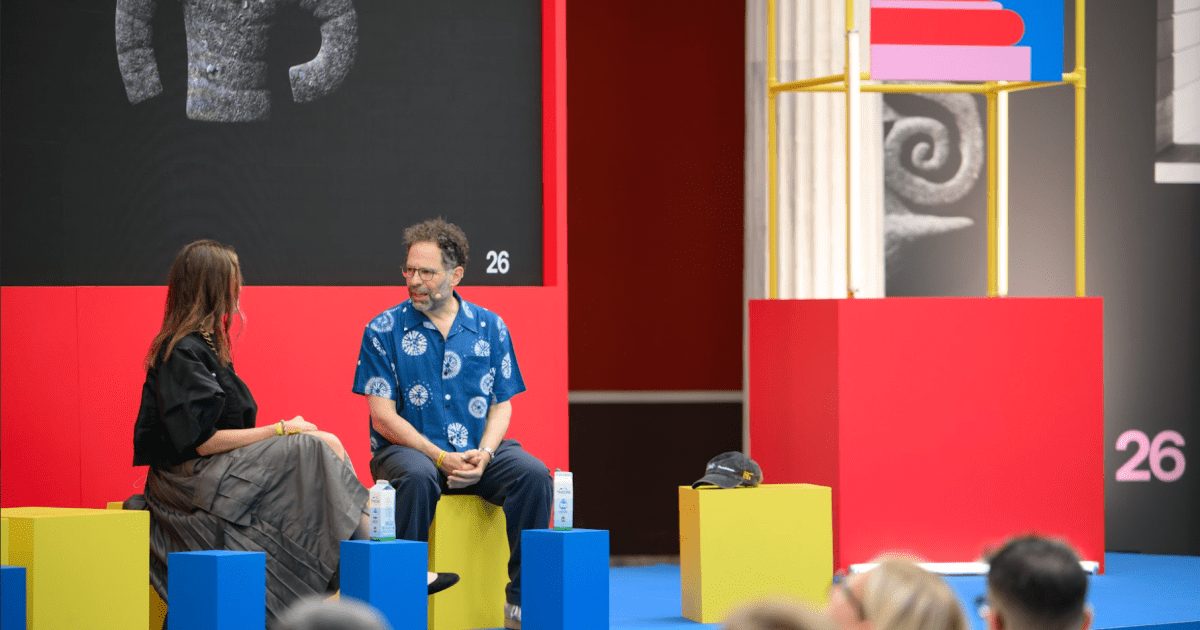
في أجواء مهرجان تكنولوجي صاخب بأثينا، أدلى نيل ريمر، أحد مؤسسي شركة Index Ventures العريقة، بتصريح لافت: إنه يرى بوضوح أن ثروات الذكاء الاصطناعي المتراكمة ستُعاد توزيعها لا محالة، سواء أراد أصحابها ذلك أم لم يريدوا. وأضاف أنه يأمل أن يكون هذا التوزيع طوعياً، وأن يضطلع قادة التكنولوجيا بدور محوري في إنجازه.
ما يمنح هذا الكلام ثقلاً استثنائياً هو مصدره؛ فريمر ليس ناشطاً اجتماعياً ولا سياسياً محترفاً، بل هو رجل شكّل مساره مسيرة Index Ventures على مدى ثلاثة عقود، وهي الشركة التي جنت وحدها ما يقارب تسعة مليارات دولار من صفقات عام 2024، من بينها الطرح العام لشركة Figma واستحواذ Google على شركة Wiz للأمن السيبراني.
تراجع ملحوظ في ثقافة العطاء
تأتي تصريحات ريمر في سياق مفارق للمتوقع؛ إذ تشهد ظاهرة التبرع الطوعي بين أثرياء التكنولوجيا تراجعاً لافتاً. فقد شهد "ميثاق العطاء" الذي أطلقه وارن بافيت وبيل غيتس عام 2010، والداعي إلى التبرع بنصف الثروة على الأقل، انحساراً متسارعاً في الانضمام إليه:
- 113 عائلة انضمت في السنوات الخمس الأولى
- 72 عائلة في المرحلة التالية
- 43 عائلة بعدها
- أربع عائلات فقط طوال عام 2024
والمفارقة أن إجمالي التبرعات الأمريكية بلغ رقماً قياسياً هو 592.5 مليار دولار عام 2024، غير أن عدد المتبرعين فعلياً تراجع للعام الخامس على التوالي. فقد كانت ثلثا الأسر الأمريكية تتبرع عام 2000، فيما لا تتجاوز نسبتها اليوم النصف. حتى الأسر الميسورة لم تسلم من هذا التراجع، إذ انخفضت نسبة المتبرعين منها من 90% عام 2017 إلى 81% العام الماضي.
موظفو الذكاء الاصطناعي بين المُثُل والواقع
حتى في داخل محفظة Index Ventures ذاتها، حيث تقع شركة Anthropic المرتبطة بفلسفة الفداء الفعّال، يبدو الواقع مختلفاً عن المبادئ المُعلنة. فبينما تُقابل الشركة تبرعات موظفيها بنسبة تصل إلى 25% من حصصهم في الأسهم، يكشف المستشار المالي ألكس كاسويل أن غالبية عملائه من الموظفين الجدد لم يُدرجوا العطاء الخيري ضمن خططهم المالية أصلاً، بل انصبّ تفكيرهم على الاستثمار الملائكي أو تأسيس شركاتهم الخاصة.
الضرائب الإلزامية: البديل المثير للجدل
في غياب العطاء الطوعي، تبرز محاولات تشريعية لفرض إعادة التوزيع قسراً. يُصوّت ناخبو كاليفورنيا هذا العام على ضريبة ثروة استثنائية بنسبة 5% تستهدف المليارديرات. وقد بادر بعض رجال التكنولوجيا البارزين، كمؤسسَي Google سيرجي برين ولاري بيج، إلى نقل إقامتهم الرسمية إلى فلوريدا تحسباً لهذه الضريبة.
ثمة أيضاً مقترح أفادت تقارير بأن OpenAI ناقشته، يقضي بمنح الحكومة الفيدرالية حصة بنسبة 5% في الشركة، وهو ما قدّمه الرئيس التنفيذي سام ألتمان باعتباره مشاركةً للجمهور في عائدات الذكاء الاصطناعي. بيد أن المنتقدين يرون فيه في حقيقته مجرد وسيلة لشراء نفوذ سياسي في واشنطن.
أرقام تُعيد رسم المشهد
لفهم حجم الرهانات المطروحة، تكفي بعض الأرقام للتأمل:
- إيلون ماسك تجاوزت ثروته تريليون دولار، ليكون أول شخص في التاريخ يبلغ هذه العتبة.
- قائمة Forbes لعام 2026 رصدت 45 مليارديراً جديداً في مجال الذكاء الاصطناعي وحده، تبلغ ثرواتهم مجتمعةً 2.9 تريليون دولار، وذلك قبل الطرح العام لشركتَي Anthropic وOpenAI.
- حصص موظفي هاتين الشركتين بعد طرحهما العام ستكفي نظرياً لشراء ما يقارب ثلث منازل منطقة سان فرانسيسكو الكبرى.
- حصة أغنى 1% من الأسر الأمريكية في الثروة الوطنية بلغت 31.7% في الربع الثالث من العام الماضي، وهو رقم قياسي منذ بدأ الاحتياطي الفيدرالي تتبع هذه البيانات عام 1989.
لحظة مفصلية تستدعي خيارات واضحة
يرى ريمر، الذي آثر البساطة في أسلوب حياته وانخرط في مجالس حقوق الإنسان ودعم رواد الأعمال في الأسواق الناشئة، أن قادة التكنولوجيا أمام فرصة تاريخية نادرة: إما أن يقودوا بأنفسهم مسيرة توزيع عادل لهذا الكم الهائل من الثروة، وإما أن تفرضه عليهم الدولة بأدواتها التشريعية.
المسألة ليست فلسفية بحتة؛ إنها معادلة عملية تتشكل ملامحها الآن، في قاعات البرلمانات وصناديق الاقتراع وطاولات مجالس الإدارة على حدٍّ سواء. وما يجعل موقف ريمر مثيراً للاهتمام هو أنه يأتي من داخل المنظومة، لا من خارجها.
✦ بقلم فريق دروب أيديا
دروب أيديا - DROPIDEA
نأمل أن تكون هذه المقالة قد أضافت لك قيمة حقيقية. في دروب أيديا نسعى دائمًا لتقديم محتوى عربي عالي الجودة يساعدك على النمو والتطور في المجال الرقمي. تابعنا للمزيد من المقالات والشروحات المفيدة.
الوسوم
الأدمن
DROPIDEA
أحدث المقالات

أنثروبيك تطلق نموذجي Fable وMythos 5.1 بتكلفة أقل وقيود أخف

أندرويد يتصدى لدوار الحركة ويعزّز إمكانية الوصول بتحديثات جديدة

AfterQuery أسرع شركة تبلغ قيمتها مليار دولار في تاريخ Y Combinator
«فامبوت»: مساعد ذكاء اصطناعي يدير الأعباء اليومية للعائلات