لماذا يرفض مؤسس AMI Labs تسمية ذكاءه الاصطناعي بـ«AGI» أو «الذكاء الخارق»؟
 بقلم الأدمن
حين تصبح المصطلحات مجرد ضجيج
في وقت تتسابق فيه شركات الذكاء الاصطناعي على انتزاع الألقاب الأكثر إثارة، يسلك ألكسندر لوبران، الرئيس التنفيذي لشركة AMI Labs، مساراً مغايراً تماماً. فبينما يتداول المنافسون مصطلحات من قبيل «الذكاء الاصطناعي العام» و«الذكاء الخارق»، يؤثر لوبران الصمت على هذه التسميات، ويرى فيها إشكالية أكثر منها قيمة.
قال لوبران في حديث مع TechCrunch على هامش مؤتمر التعلم الآلي الدولي في سيول: «لم نستخدم مصطلح الذكاء الاصطناعي العام قط. والملاحظ أن الجميع باتوا يتخلّون عنه لصالح الذكاء الخارق، وهذا بدوره سيُستبدل بمصطلح آخر قريباً.» ثم أضاف بوضوح: «لا تعريف دقيقاً للذكاء الخارق، ولا أعرف ما يعنيه تحديداً، وهو مصطلح لا يُضيف شيئاً ذا قيمة.»
نماذج العالم: ما وراء نماذج اللغة الكبيرة
تتمحور رؤية AMI Labs حول ما يُعرف بـ«نماذج العالم»، وهي أنظمة ذكاء اصطناعي تدمج قوانين الفيزياء والمنطق المادي لفهم البيئة المحيطة والتنبؤ بحالاتها القادمة. والفرق جوهري: فنموذج اللغة الكبير يتنبأ بالكلمة التالية في نص، في حين يتنبأ نموذج العالم بالحالة التالية في الواقع الفعلي.
يوضح لوبران الفكرة بمثال بسيط: حين تدفع كأساً نحو حافة الطاولة، تعرف فوراً أنه سيسقط وينكسر. هذه الحدسية الفيزيائية هي بالضبط ما تسعى نماذج العالم إلى محاكاتها واستيعابه. ومع ذلك، لا يرى لوبران في هذه النماذج منافساً لنماذج اللغة، بل مكمِّلاً لها، مستحضراً تشبيهاً لافتاً: تماماً كما يمتلك الدماغ البشري مراكز منفصلة للغة والتفكير المنطقي، ستظل نماذج اللغة الأداة الأكفأ لمعالجة النصوص، فيما ستتولى نماذج العالم توفير الفهم السياقي للبيئة المادية.
الروبوتات: أجساد بلا عقول
يُولي لوبران اهتماماً بالغاً لقطاع الروبوتات، ويصفه بأنه الميدان الذي يكشف أوضح نقاط ضعف الذكاء الاصطناعي الراهن. تعمل الروبوتات اليوم وفق برامج ثابتة ومتكررة، عاجزة عن استيعاب السياق أو التكيّف مع المتغيرات. ويضرب مثالاً صارخاً: روبوت مُبرمج لحركات الرقص والكونغ فو في فعالية عامة، يُقدم على ركل طفل لأنه ببساطة لا يملك الوعي البيئي الكافي لتمييز الوضع.
«التطور في الأجهزة والمعدات مذهل خلال الأشهر الأخيرة»، يقول لوبران، «لكن لا يوجد عقل.» ويرى أن مجرد جعل الروبوتات «واعية بسياقها» سيُحدث فارقاً هائلاً، لا سيما في البيئات المفتوحة كالمنازل والشوارع، حيث تغدو المواقف غير متوقعة وتصبح السلامة شرطاً لا تنازل عنه.
تجربة الرعاية الصحية: طبيب بلا تدريب ميداني
يستند لوبران إلى تجربته السابقة مع شركة Nabla الناشئة في مجال الذكاء الاصطناعي الطبي، ليرسم صورة معبّرة عن حدود الأنظمة الحالية: «نماذج اللغة الكبيرة تشبه طبيباً تلقّى تعليماً نظرياً من الكتب المدرسية دون أن يمارس أي تدريب عملي في المستشفيات.» ويُقدّر أن هذه النماذج لا تُغطي سوى واحد بالمئة من احتياجات الرعاية الصحية الفعلية، فيما يبقى الجزء الأكبر رهيناً بالخبرة الميدانية والتفاعل مع الواقع.
كوريا الجنوبية: شريك استراتيجي لا مجرد سوق
حضور لوبران في سيول لم يكن عابراً؛ إذ يبحث بجدية عن شركاء صناعيين محليين في قطاعات الروبوتات وأشباه الموصلات والتصنيع. ويرى في كوريا الجنوبية وجهة استراتيجية لسببين رئيسيين:
- قاعدة صناعية متقدمة: تمتلك كوريا بنية تحتية راسخة في قطاعات التصنيع والإلكترونيات والروبوتات، وهي بالضبط الميادين التي تحتاج إليها نماذج العالم لإثبات جدارتها خارج المختبرات.
- سرعة التبني والتكيّف: يستحضر لوبران تجربة كوريا مع الإنترنت قبل ربع قرن، حين كانت من أسرع دول العالم في اعتماده وتوظيفه. ويرى أن هذا المزيج بين القاعدة الصناعية والقدرة على التبني السريع يجعل كوريا «حالة فريدة» تستحق التواجد فيها منذ اليوم الأول.
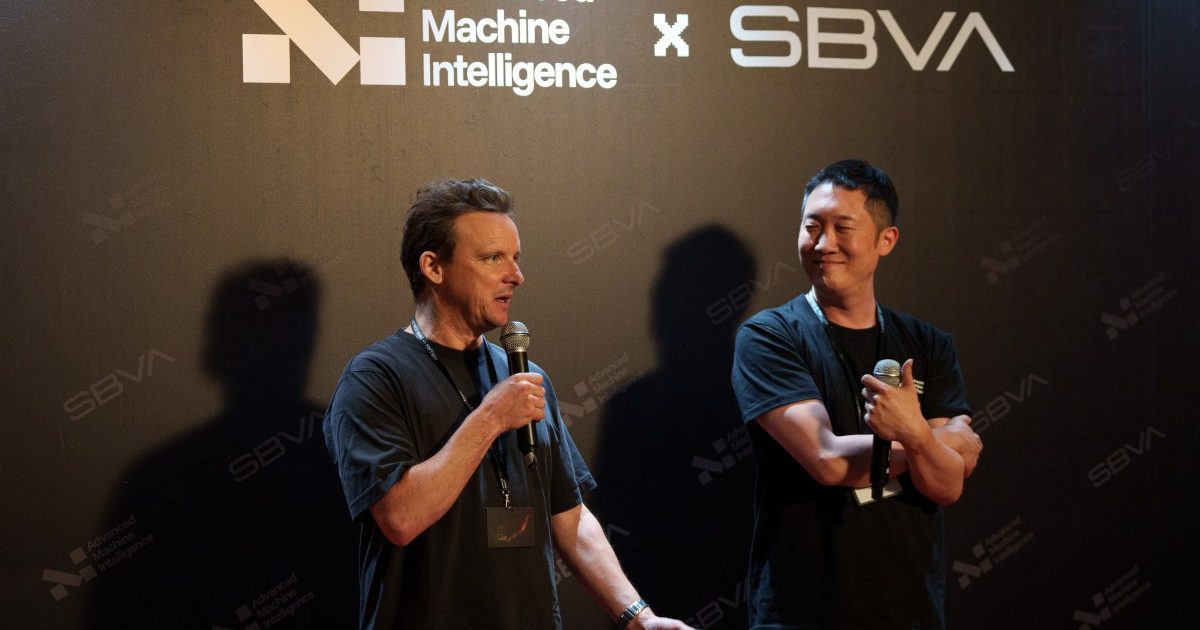
ويدعم هذا التوجه JP Lee، الرئيس التنفيذي لشركة SBVA وأحد المستثمرين الآسيويين في AMI، الذي يؤكد أن كوريا تحتاج إلى الاستثمار في الذكاء الاصطناعي المادي إلى جانب نماذج اللغة، مشيراً إلى خطة سيول لضخ ما يقارب 880 مليار دولار في رقائق المعالجة ومراكز البيانات والذكاء الاصطناعي الجسدي.
مليار دولار بلا منتج بعد
جمعت AMI Labs، المؤسَّسة بمشاركة يان لوكون الحائز على جائزة تورينج بعد مغادرته شركة ميتا، تمويلاً بلغ 1.03 مليار دولار في مارس 2024، بتقييم أولي بلغ 3.5 مليار دولار. غير أن الشركة لا تزال في مرحلة ما قبل الإطلاق، دون منتج جاهز ودون جدول زمني معلن. يختصر لوبران الموقف بجملة واحدة: «سنُفاجئ الجميع حين نكون جاهزين.»
في مشهد تتسابق فيه الشركات على الإعلان عن «ثورات» لم تتحقق بعد، يبدو موقف لوبران نادراً: الاحتفاظ بالأسرار حتى يحين وقتها، وتجنّب التسميات المضخّمة حتى تُثبت الأنظمة قيمتها الفعلية في العالم الحقيقي.
✦ بقلم فريق دروب أيديا
دروب أيديا - DROPIDEA
نأمل أن تكون هذه المقالة قد أضافت لك قيمة حقيقية. في دروب أيديا نسعى دائمًا لتقديم محتوى عربي عالي الجودة يساعدك على النمو والتطور في المجال الرقمي. تابعنا للمزيد من المقالات والشروحات المفيدة.
الوسوم
الأدمن
DROPIDEA
أحدث المقالات
إنستغرام يشدّد الرقابة على الحسابات المولّدة بالذكاء الاصطناعي
البنتاغون يطلق نسخته الخاصة من ChatGPT وGrok للاستخدام العسكري

أبل تكشف «أدلة صادمة» ضد موظف سابق متهم بسرقة أسرارها لصالح OpenAI

صانع المحتوى ماركبلاير يصبح أكبر مساهم في شركة GoPro