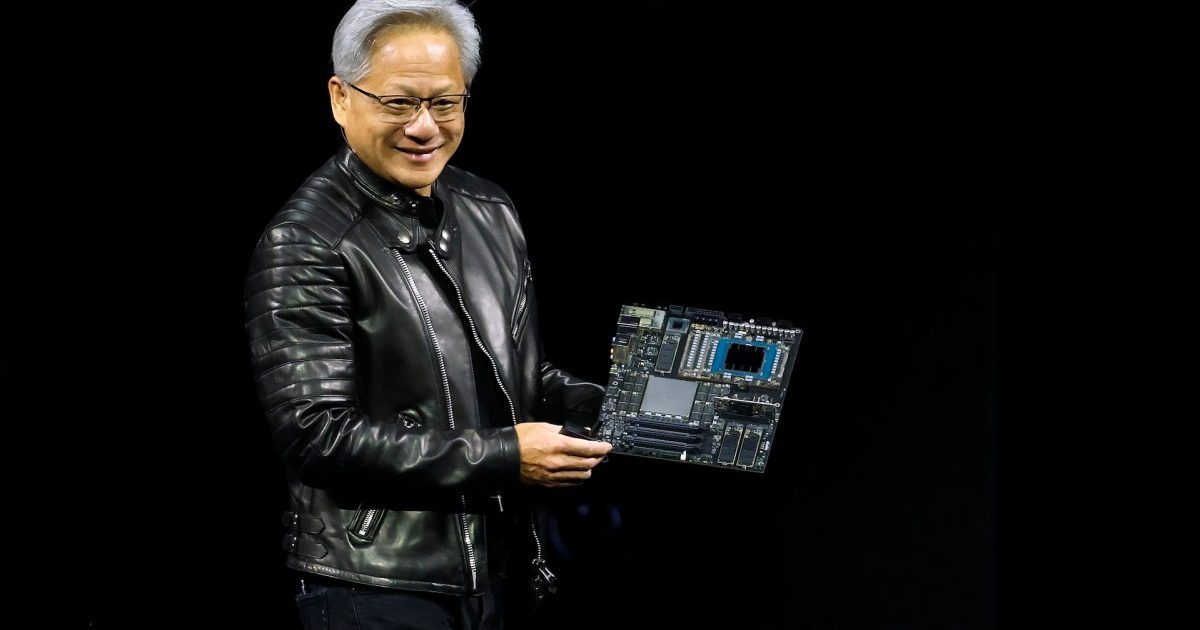
صفقة بـ400 مليون دولار تُعيد رسم خريطة البنية التحتية للذكاء الاصطناعي
 بقلم الأدمن

بداية جديدة في عالم تمويل الذكاء الاصطناعي
في خطوة لافتة تعكس التحولات المتسارعة في سوق البنية التحتية للذكاء الاصطناعي، أعلنت شركة General Compute — الناشئة المتخصصة في خدمات الاستدلال السحابي — حصولها على قرض بقيمة 400 مليون دولار من شركة الاستثمار التقني Upper90. ما يجعل هذه الصفقة استثنائية ليس حجمها فحسب، بل طبيعتها؛ إذ تُعدّ الأولى من نوعها التي تُستخدم فيها رقائق الاستدلال المتخصصة ضماناً للتمويل، وهي رقائق مُصمَّمة أصلاً لتشغيل النماذج المدرَّبة مسبقاً بكفاءة عالية وتكلفة منخفضة، بعيداً عن وحدات معالجة الرسومات (GPU) الباهظة الثمن المستخدمة في مرحلة التدريب.
لماذا الاستدلال تحديداً؟
تتصاعد في الأوساط التقنية المخاوف المتعلقة بتكاليف أدوات الذكاء الاصطناعي والرموز المميزة (Tokens)، مما دفع المستثمرين نحو البحث عن بنية تحتية قادرة على تشغيل النماذج مفتوحة المصدر بتكلفة أقل مقارنةً بالنماذج اللغائية الكبرى الصادرة عن المختبرات الرائدة. وهنا تبرز أهمية رقائق الاستدلال التي تتيح الوصول إلى قدرات الذكاء الاصطناعي دون الحاجة إلى إنفاق ضخم على البنية التحتية التقليدية.
تأسست الشركة على يد المدير التنفيذي فين بوكلوفسكي والمدير التقني جيسون غوديسون، وجمعت في مايو الماضي 15 مليون دولار في جولة تمويل أولية لبناء سحابة استدلال متخصصة تعتمد على رقائق شركة SambaNova المدعومة من Intel. تُعرف هذه النماذج من الشركات بـ«السحابات المتخصصة» (Neoclouds) التي تُركّز حصرياً على أعباء عمل الذكاء الاصطناعي، على عكس البنية التحتية متعددة الأغراض التي توفرها العمالقة التقليديون كـAWS وAzure.
مزايا رقائق SambaNova SN50
تتمتع رقائق SN50 بخصائص تقنية تجعلها منافساً جدياً في سوق الاستدلال:
- كفاءة استهلاك الطاقة مقارنةً بوحدات GPU التقليدية.
- عدم الحاجة إلى أنظمة تبريد مائية مكلفة، مما يُسرّع عملية النشر.
- إمكانية التوزيع في مراكز بيانات متنوعة بمرونة أعلى.
- سرعة استدلال تبلغ 16 ضعفاً مقارنةً بالسحابات المعتمدة على GPU وفق تصريحات الشركة.
من GPU إلى رقائق الاستدلال: مسيرة Upper90
ليست هذه المرة الأولى التي تخوض فيها Upper90 مغامرة تمويلية في عالم الرقائق المتخصصة. يروي المؤسس المشارك والمدير التنفيذي بيلي ليبي — وهو متداول كمّي سابق في بنك Goldman Sachs — أن شركته كانت من أوائل من موّلوا شراء وحدات GPU عام 2021 لصالح شركة Crusoe المتخصصة في مراكز البيانات الموفِّرة للطاقة، في سابقة تاريخية لم تجرؤ عليها البنوك التقليدية آنذاك بسبب مخاوف انخفاض قيمة الرقائق بمرور الوقت.
غير أن ما بدأ مغامرة محفوفة بالمخاطر أصبح نموذجاً تجارياً راسخاً، حين حوّلت شركة CoreWeave القروض المضمونة بالرقائق إلى ركيزة لطرحها العام الناجح في البورصة. يُعلّق ليبي على هذا التحول بقوله: «حين موّلنا رقائق Nvidia كأول مجموعة تفعل ذلك، كان السوق غير فعّال؛ كنا نحصل على تعويض حقيقي مقابل المخاطرة.» أما اليوم، وبعد أن باتت وحدات GPU أكثر إشباعاً في السوق، تتجه الشركة نحو الموجة القادمة: رقائق الاستدلال.
موجة الانفتاح على بدائل Nvidia
تأتي هذه الصفقة في سياق أوسع يشهد تنامي الاهتمام بالبدائل التقنية خارج منظومة Nvidia. شركات مثل Groq وCerebras باتت تستقطب اهتمام المستحوذين والأسواق المالية، فيما تراهن TensorWave على شراكة مع AMD لتقديم بنية تحتية بديلة. كذلك شهدت منصات توفير الوصول إلى النماذج مفتوحة المصدر — كـOpenRouter وFireworks — جولات تمويل بتقييمات مرتفعة، والنماذج الجديدة مثل Kimi K3 أثبتت قدرتها على منافسة أحدث إصدارات Anthropic وOpenAI في اختبارات البرمجة.
يُلخّص بوكلوفسكي الرهان الكبير وراء هذه الصفقة بقوله: «ثمة رقائق بدأت تتوسع وتقدم تكلفة إجمالية للملكية ممتازة أو سرعات تفوق Nvidia، لكن المشترين لا يزالون قلة. هذه الصفقة ليست مجرد ناشئة حصلت على تمويل لشراء بعض الحوسبة — إنها أول إشارة على تنظيم رأس المال وانكسار الهيمنة الاحتكارية لـNvidia.»
خلاصة: الاستدلال هو المعركة القادمة
في عالم يتنافس فيه الجميع على بناء نماذج أذكى وأقوى، يبدو أن الرهان الحقيقي لرأس المال الذكي بات على الجانب الآخر من المعادلة: تشغيل هذه النماذج بكفاءة وبتكلفة معقولة. صفقة General Compute وUpper90 ليست مجرد خبر استثماري؛ إنها مؤشر على إعادة رسم أولويات السوق، حيث لا يحتاج الجميع إلى حاسوب خارق، لكن الجميع يحتاج إلى الاستدلال والذكاء الاصطناعي.
✦ بقلم فريق دروب أيديا
دروب أيديا - DROPIDEA
نأمل أن تكون هذه المقالة قد أضافت لك قيمة حقيقية. في دروب أيديا نسعى دائمًا لتقديم محتوى عربي عالي الجودة يساعدك على النمو والتطور في المجال الرقمي. تابعنا للمزيد من المقالات والشروحات المفيدة.
الوسوم
الأدمن
DROPIDEA
أحدث المقالات
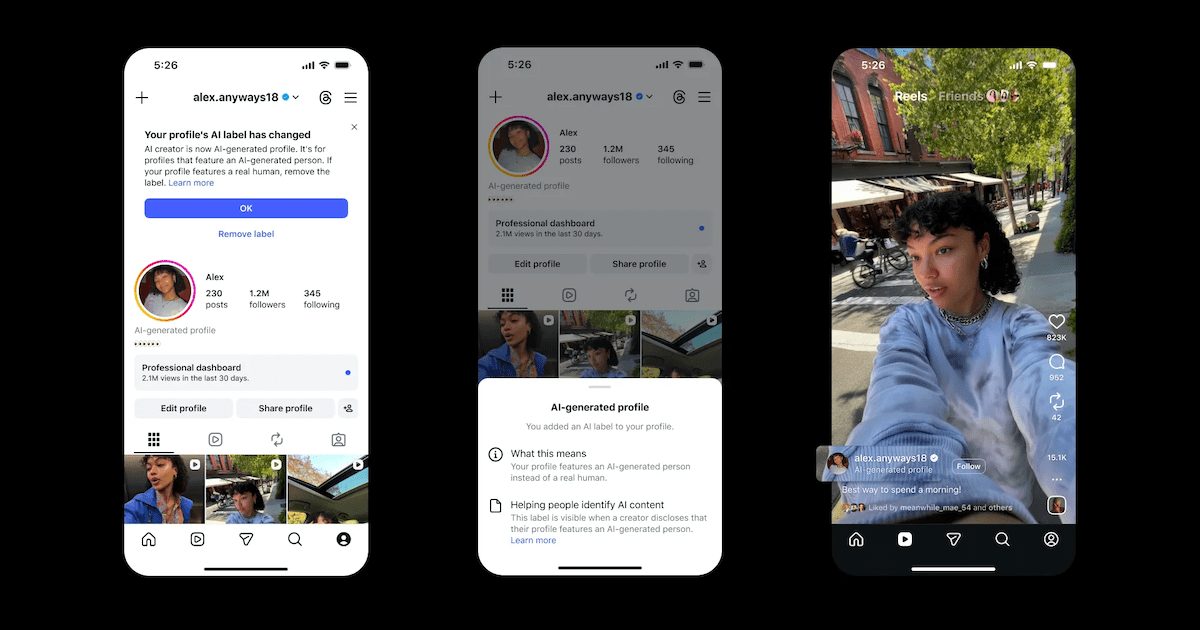
إنستغرام يشدّد الرقابة على الحسابات المولّدة بالذكاء الاصطناعي
البنتاغون يطلق نسخته الخاصة من ChatGPT وGrok للاستخدام العسكري
أبل تكشف «أدلة صادمة» ضد موظف سابق متهم بسرقة أسرارها لصالح OpenAI

صانع المحتوى ماركبلاير يصبح أكبر مساهم في شركة GoPro