Skip to content
ImagesFree

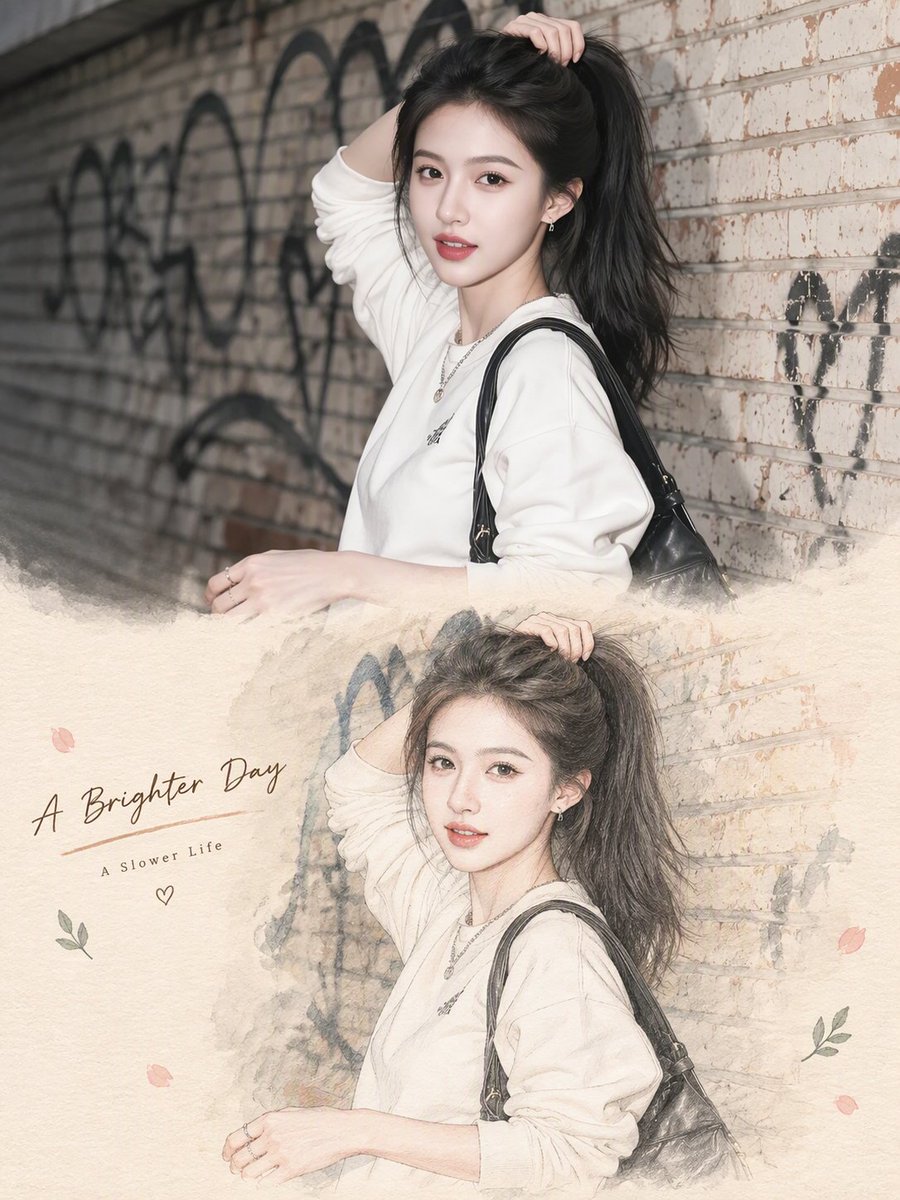
Editorial Poster Blending Photo and Watercolor

A template turning an uploaded image into a vertical 3:4 editorial poster: the top half stays as the natural original photo, the bottom half recreates the same scene as a refined hand-drawn watercolor, colored pencil, and ink illustration with elegant minimal typography and a soft transition.

OpenAI

Source previews

These example images come from the original source. DROPIDEA has not independently tested these examples; results depend on the model and settings.

Ready to personalize

Your prompt

English

Replace the red variables with your information. Copy the full prompt and use it with your preferred agent.

TXT MD English version
Use the uploaded image as the exact reference. Preserve the original subjects, identities, poses, composition, colors, lighting, background, and key details. Do not add, remove, or rearrange major elements. Create a vertical 3:4 editorial poster with two sections: - Top half: keep the original photo natural, sharp, and essentially unchanged. - Bottom half: recreate the exact same scene as a refined hand-drawn illustration in soft watercolor, colored pencil, and fine ink sketch style. Keep the same subjects, positions, perspective, and recognizable details. Use soft pastel tones, a warm off-white paper background, subtle paper texture, and a premium editorial / art-book / postcard feel. Add a soft seamless transition between the photo and illustration. Add minimal elegant typography: a handwritten-style title and a small simple subtitle. Use context-appropriate text such as “A Brighter Day” and “A Slower Life”, or for pets/family “Good Friends”, “Brighter Days”, or “Happier Tails ♡”. Optional: add a few subtle h…
Preview results

Your prompt

Use the uploaded image as the exact reference. Preserve the original subjects, identities, poses, composition, colors, lighting, background, and key details. Do not add, remove, or rearrange major elements. Create a vertical 3:4 editorial poster with two sections: - Top half: keep the original photo natural, sharp, and essentially unchanged. - Bottom half: recreate the exact same scene as a refined hand-drawn illustration in soft watercolor, colored pencil, and fine ink sketch style. Keep the same subjects, positions, perspective, and recognizable details. Use soft pastel tones, a warm off-white paper background, subtle paper texture, and a premium editorial / art-book / postcard feel. Add a soft seamless transition between the photo and illustration. Add minimal elegant typography: a handwritten-style title and a small simple subtitle. Use context-appropriate text such as “A Brighter Day” and “A Slower Life”, or for pets/family “Good Friends”, “Brighter Days”, or “Happier Tails ♡”. Optional: add a few subtle h…

Variable guide

A Brighter Day

The handwritten-style main title text.

Typography line, inside the quotes

Example value

A Brighter Day

A Slower Life

The small simple subtitle.

Typography line, inside the quotes

Example value

A Slower Life

Happier Tails ♡

Alternative titles for pets or family photos.

Typography line, after "or for pets/family"

Example value

Happier Tails ♡

soft watercolor, colored pencil, and fine ink sketch style

The bottom-half illustration style.

Bottom-half style description

Example value

soft watercolor, colored pencil, fine ink sketch

soft pastel tones, a warm off-white paper background

Color tones and paper texture.

Colors and background description

Example value

soft pastel tones, warm off-white paper

What you get

  • A vertical 3:4 poster with two sections: the natural original photo on top and a refined hand-drawn illustration below.
  • A redrawn scene keeping the same subjects, positions, perspective, and recognizable details in soft watercolor, colored pencil, and fine ink sketch style.
  • Soft pastel tones, a warm off-white paper background, subtle paper texture, and a premium editorial feel.
  • A soft seamless transition between photo and illustration with minimal elegant handwritten-style typography.

Use cases

  • Editorial posters and art prints.
  • Custom gifts from family or pet photos.
  • Art-book covers or social media posts.
  • Wall decor with an art-book or postcard aesthetic.

How to use

  • Upload a clear, high-quality image of the person, pet, or scene you want to turn into a poster; the uploaded image is the exact reference for the top half.
  • If you want different wording, replace the quoted texts such as "A Brighter Day" and "A Slower Life" with context-appropriate alternatives.
  • Keep the vertical 3:4 ratio and all technical settings unchanged to ensure the correct editorial layout.
  • Note that the source ends with the truncated fragment "Optional: add a few subtle h…"; complete or remove this optional instruction before use.
  • Run the template and check the soft transition between the photo and the illustration before finalizing.

Related prompts