Skip to content
ImagesFree

Premium 2:3 Vertical Architectural Sketch Poster

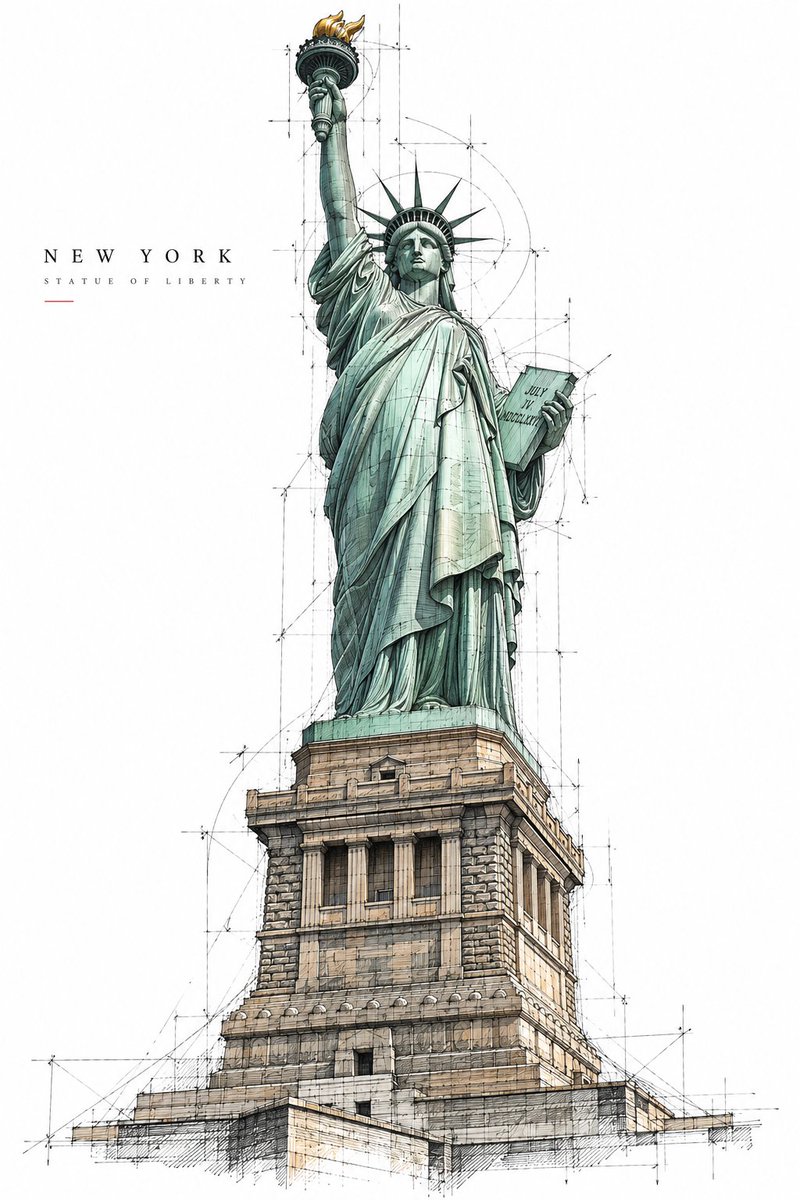
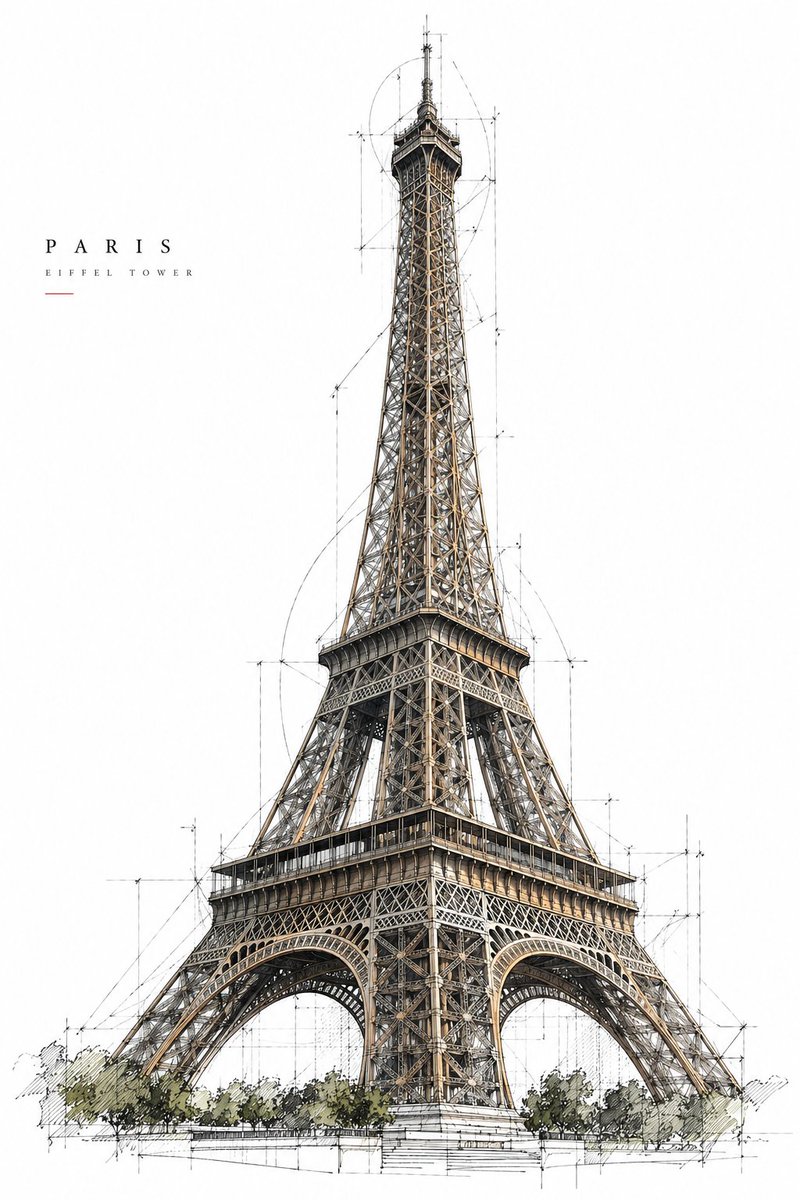
Text-to-image prompt generating a premium vertical poster of a single landmark as an expressive unfinished architectural master sketch: black and charcoal ink on pure white with one subtle accent color, no reference image required.

OpenAI

Source previews

These example images come from the original source. DROPIDEA has not independently tested these examples; results depend on the model and settings.
Ready to personalize

Your prompt

English

Replace the red variables with your information. Copy the full prompt and use it with your preferred agent.

TXT MD English version
Create a premium 2:3 vertical architectural poster for [COUNTRY / CITY / LOCATION / LANDMARK]. TEXT-TO-IMAGE ONLY — generate the entire artwork creatively from [COUNTRY / CITY / LOCATION / LANDMARK]. No reference image required. CORE CONCEPT Present [LANDMARK] as an expressive unfinished architectural master sketch, as if drawn by an architect exploring the building’s form, structure, and character. Keep the real architecture accurate — preserve its recognizable silhouette, proportions, façade rhythm, materials, and signature details. Do not redesign the landmark. COMPOSITION Show approximately 80–95% of the landmark from the most elegant and architecturally informative viewpoint for that specific building. Use a natural eye-level or gently elevated three-quarter perspective with realistic depth and restrained distortion. ONE LANDMARK ONLY. Let it dominate the composition while surrounding it with generous PURE WHITE negative space. No skyline or secondary landmarks. SKETCH STYLE Combine precise architectural ink drawing with loose unfinished concept-sketch elements: crisp black structural lines fine façade detailing varied line weights construction and perspective guides subtle drafting marks selective ink washes partially unfinished contours Some areas should be highly detailed while others naturally dissolve into loose exploratory lines and white space. It must feel genuinely hand-drawn, not like a 3D render with a sketch filter. DETAIL & COLOR Reveal authentic architectural elements such as structural connections, façade layers, openings, ornamentation, joints, and material textures. Never invent features that do not belong to the landmark. Use a PURE WHITE background with black and charcoal linework, plus ONE subtle accent color naturally derived from the landmark’s real materials. TYPOGRAPHY Optional small refined text in one corner: [DESTINATION] [LANDMARK] Keep typography minimal and secondary to the architecture. FINAL AESTHETIC Architectural master sketch × technical drawing × expressive ink work × restrained hand-painted wash × contemporary collectible art poster. Avoid fictional architecture, incorrect proportions, extreme perspectives, close-ups, surrounding cityscapes, multiple landmarks, beige/aged paper, gradients, excessive colors, glossy 3D rendering, oversized typography, logos, and watermarks. FORMAT 2:3 vertical, single landmark, full architectural form clearly visible, generous white space, intricate linework, natural perspective, premium gallery-quality finish.
Preview results

Your prompt

Create a premium 2:3 vertical architectural poster for [COUNTRY / CITY / LOCATION / LANDMARK]. TEXT-TO-IMAGE ONLY — generate the entire artwork creatively from [COUNTRY / CITY / LOCATION / LANDMARK]. No reference image required. CORE CONCEPT Present [LANDMARK] as an expressive unfinished architectural master sketch, as if drawn by an architect exploring the building’s form, structure, and character. Keep the real architecture accurate — preserve its recognizable silhouette, proportions, façade rhythm, materials, and signature details. Do not redesign the landmark. COMPOSITION Show approximately 80–95% of the landmark from the most elegant and architecturally informative viewpoint for that specific building. Use a natural eye-level or gently elevated three-quarter perspective with realistic depth and restrained distortion. ONE LANDMARK ONLY. Let it dominate the composition while surrounding it with generous PURE WHITE negative space. No skyline or secondary landmarks. SKETCH STYLE Combine precise architectural ink drawing with loose unfinished concept-sketch elements: crisp black structural lines fine façade detailing varied line weights construction and perspective guides subtle drafting marks selective ink washes partially unfinished contours Some areas should be highly detailed while others naturally dissolve into loose exploratory lines and white space. It must feel genuinely hand-drawn, not like a 3D render with a sketch filter. DETAIL & COLOR Reveal authentic architectural elements such as structural connections, façade layers, openings, ornamentation, joints, and material textures. Never invent features that do not belong to the landmark. Use a PURE WHITE background with black and charcoal linework, plus ONE subtle accent color naturally derived from the landmark’s real materials. TYPOGRAPHY Optional small refined text in one corner: [DESTINATION] [LANDMARK] Keep typography minimal and secondary to the architecture. FINAL AESTHETIC Architectural master sketch × technical drawing × expressive ink work × restrained hand-painted wash × contemporary collectible art poster. Avoid fictional architecture, incorrect proportions, extreme perspectives, close-ups, surrounding cityscapes, multiple landmarks, beige/aged paper, gradients, excessive colors, glossy 3D rendering, oversized typography, logos, and watermarks. FORMAT 2:3 vertical, single landmark, full architectural form clearly visible, generous white space, intricate linework, natural perspective, premium gallery-quality finish.

Variable guide

[COUNTRY / CITY / LOCATION / LANDMARK]

The landmark's full geographic value: country / city / location / landmark name, used to generate the entire artwork from text only.

Replace the whole token including square brackets in two places: the first line of the template, and the TEXT-TO-IMAGE ONLY line.

Example value

Japan / Kyoto / Higashiyama / Kinkaku-ji

[LANDMARK]

The specific landmark to be drawn; it must be real and recognizable to keep the architecture accurate.

Replace [LANDMARK] in two places: after 'Present' in CORE CONCEPT, and in the TYPOGRAPHY section.

Example value

Eiffel Tower

[DESTINATION]

The destination name shown as optional small text in one poster corner.

Replace [DESTINATION] in the TYPOGRAPHY section, the first line before [LANDMARK].

Example value

Paris

What you get

  • A premium 2:3 vertical architectural poster of a single landmark.
  • An expressive unfinished master sketch in crisp black and charcoal ink.
  • Pure white background with generous negative space and one subtle accent color.
  • Authentic details such as structural connections, façade layers, openings, ornamentation and material textures.
  • Optional small corner typography with destination and landmark names.

Use cases

  • Contemporary collectible art posters for cities and travel landmarks.
  • Interior decor and wall art in hand-drawn architectural style.
  • Souvenirs, phone cases and travel-journal covers.
  • Marketing materials for travel agencies, hotels and architecture exhibitions.

How to use

  • Choose one real, recognizable landmark and replace [COUNTRY / CITY / LOCATION / LANDMARK] with the full value (country / city / location / landmark) in both marked spots.
  • Replace [LANDMARK] with the landmark name in its two places: in CORE CONCEPT and TYPOGRAPHY, and replace [DESTINATION] with the destination shown in the poster corner.
  • Paste the full English template into a text-to-image AI tool; no reference image upload is needed.
  • Respect the constraints: one landmark only, 2:3 vertical, pure white background, and one subtle accent color derived from the landmark's real materials.
  • Generate, compare silhouette, proportions and façade details against the real landmark, and regenerate if needed.
  • Use the result as a gallery-quality, print-ready poster.

Related prompts