Skip to content
ImagesFree

Beginner Lessons from Making an MV with Seedance

A beginner's hands-on experience producing a music video with Seedance 2.0, covering character sheets, prompt structure, character counts, tempo and CUT instructions, camera work, and credit-saving tips through repeated generation and editing.

Image generation

Source previews

These example images come from the original source. DROPIDEA has not independently tested these examples; results depend on the model and settings.

Ready to personalize

Your prompt

English

Replace the red variables with your information. Copy the full prompt and use it with your preferred agent.

TXT MD English version
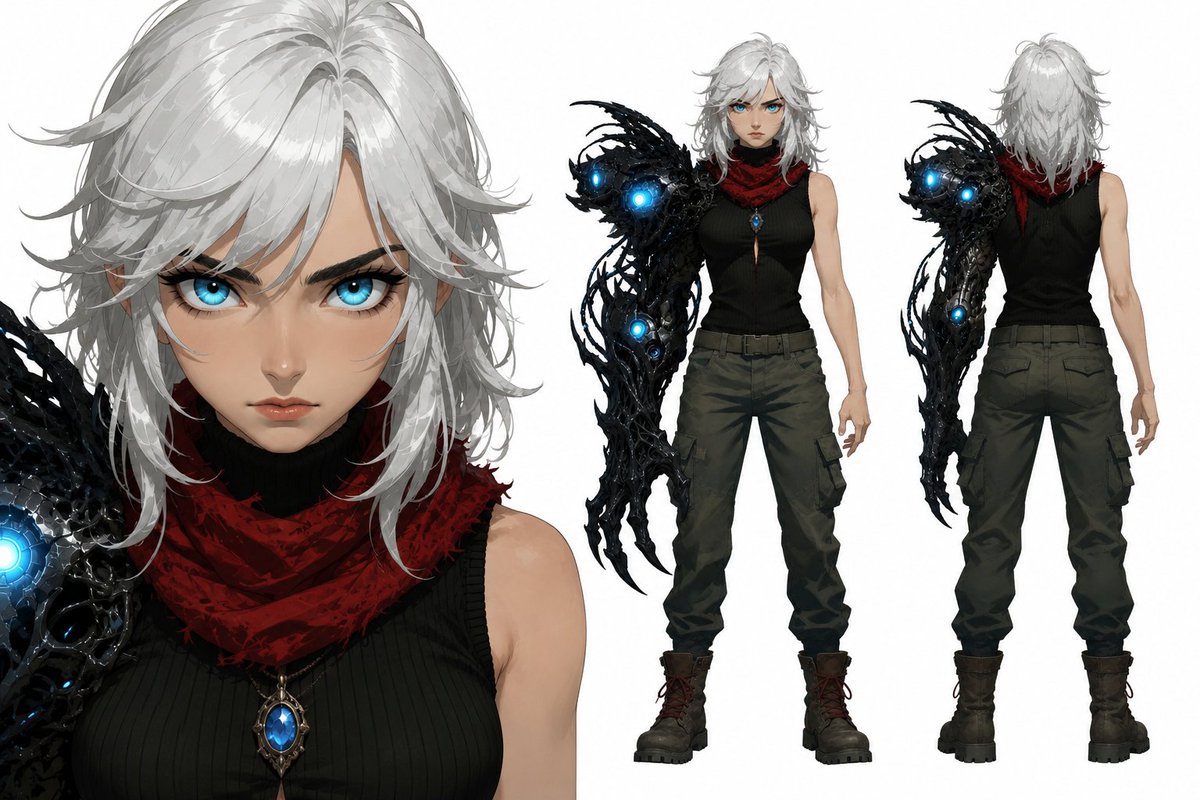
After sleeping only 5 hours a day for two weeks, I finally got 8 hours of sleep, and I feel like I've been reborn. With this renewed energy, I'd like to briefly share my thoughts and the lessons I learned while making this MV. These are my experiences after burning through a huge number of credits as a complete beginner in video production. I'll keep it simple and concise, based on Seedance 2.0. First, attaching a character sheet is not optional—it's essential. Create the character sheet simply, like the attached image. If you don't have close-up images, the generation model may blur the character's facial details or interpret them however it wants. For the body and outfit, front and back views are enough. You don't need to include various facial expressions. In fact, they can even become a cause of model drift. Second, about prompt structure and conciseness. Specify the role of each image in the image reference slots. In the CHARACTER block, explicitly describe the girl's appearance in text. Number of characters appearing This turned out to be a completely unexpected variable for me. For example, if I didn't include text like "One girl, one elite guardian. Maintain visual consistency with all references.", I found that duplicate copies of each character were generated much more often than I expected. This happened especially when three or more main characters appeared in the same shot. In the STYLE block, write only the essentials about the art style, lighting, and rendering method as briefly as possible. For realistic, semi-realistic, or 2D styles that Seedance already handles well, this prompt isn't really necessary. But for 2.5D, which Seedance struggles with, it helped a little. It doesn't have nearly as much impact as image references. (Optional) Overall tempo instructions for the clip's pacing and mood. This is also optional, but in my case I needed extremely fast-paced action. Before adding this instruction, the pacing felt as slow and frustrating as a sloth. Expression lock instructions (Optional depending on your needs) Describe scene events in order, separated into CUT 1, CUT 2, and so on. Seedance follows second-by-second CUT instructions surprisingly well. Think and direct from the director's chair. Camera work Honestly, this is the most important part of video production. It's the core element that determines the mood and quality of the video. Even if the characters themselves aren't particularly attractive, compelling backgrounds combined with good camera work can create beautiful cinematic shots. I couldn't memorize all the terms, so I organized various cinematic camera movements, including angle and composition terminology, into a chart for quick reference. Final frame description—the still image at the exact moment the clip ends. This part can also be omitted, but I recommend using it if you have a specific ending frame in mind. That's it for the prompt structure. Second, keep your prompts as short and concise as possible. Especially when your scene contains too many events for the selected video length, the entire clip tends to fall apart surprisingly often. Our credits are precious, aren't they? Third, unless you specifically want it, always specify "No background music." It only gets in the way during editing. It's better to use Suno or another good external audio source. Fourth, use Mini or Fast for testing, and if your scene contains bold action, I recommend testing with Standard (Low Quality) before using those two. It's not easy to get a successful result on the first generation. Unless you've reached a professional level, this lottery called the [Generate button] will force you to revise your prompts over and over again, so saving credits is better for your mental health. Fifth, don't expect a great video from your very first Generate. It only increases your stress. Unless you're already a professional, expecting a perfect 15-second clip on your first attempt is just setting yourself up for disappointment. Try multiple times, then edit and combine the results. That's how you'll end up with a satisfying final video. Here are two clips from the many failed generations. They failed, but they still had some usable shots. Of course, I didn't use them because better ones came later, but most failed clips contain hidden gems worth saving—sometimes as much as half of the 15-second clip. The production schedule wasn't easy, and I accumulated quite a bit of fatigue, but the joy the final result gave me was greater than all of that. Unfortunately, it wasn't chosen by the algorithm, but I'd like to believe that I grew one step further through this MV. Now that I've completed the MV that started it all, I'm preparing for a new challenge. I'll probably move toward a new world-building approach while focusing mainly on the short clips that the algorithm prefers. With that, I'll end this long post, and I wish all video creator communities the very best. 👏👏
Preview results

Your prompt

After sleeping only 5 hours a day for two weeks, I finally got 8 hours of sleep, and I feel like I've been reborn. With this renewed energy, I'd like to briefly share my thoughts and the lessons I learned while making this MV. These are my experiences after burning through a huge number of credits as a complete beginner in video production. I'll keep it simple and concise, based on Seedance 2.0. First, attaching a character sheet is not optional—it's essential. Create the character sheet simply, like the attached image. If you don't have close-up images, the generation model may blur the character's facial details or interpret them however it wants. For the body and outfit, front and back views are enough. You don't need to include various facial expressions. In fact, they can even become a cause of model drift. Second, about prompt structure and conciseness. Specify the role of each image in the image reference slots. In the CHARACTER block, explicitly describe the girl's appearance in text. Number of characters appearing This turned out to be a completely unexpected variable for me. For example, if I didn't include text like "One girl, one elite guardian. Maintain visual consistency with all references.", I found that duplicate copies of each character were generated much more often than I expected. This happened especially when three or more main characters appeared in the same shot. In the STYLE block, write only the essentials about the art style, lighting, and rendering method as briefly as possible. For realistic, semi-realistic, or 2D styles that Seedance already handles well, this prompt isn't really necessary. But for 2.5D, which Seedance struggles with, it helped a little. It doesn't have nearly as much impact as image references. (Optional) Overall tempo instructions for the clip's pacing and mood. This is also optional, but in my case I needed extremely fast-paced action. Before adding this instruction, the pacing felt as slow and frustrating as a sloth. Expression lock instructions (Optional depending on your needs) Describe scene events in order, separated into CUT 1, CUT 2, and so on. Seedance follows second-by-second CUT instructions surprisingly well. Think and direct from the director's chair. Camera work Honestly, this is the most important part of video production. It's the core element that determines the mood and quality of the video. Even if the characters themselves aren't particularly attractive, compelling backgrounds combined with good camera work can create beautiful cinematic shots. I couldn't memorize all the terms, so I organized various cinematic camera movements, including angle and composition terminology, into a chart for quick reference. Final frame description—the still image at the exact moment the clip ends. This part can also be omitted, but I recommend using it if you have a specific ending frame in mind. That's it for the prompt structure. Second, keep your prompts as short and concise as possible. Especially when your scene contains too many events for the selected video length, the entire clip tends to fall apart surprisingly often. Our credits are precious, aren't they? Third, unless you specifically want it, always specify "No background music." It only gets in the way during editing. It's better to use Suno or another good external audio source. Fourth, use Mini or Fast for testing, and if your scene contains bold action, I recommend testing with Standard (Low Quality) before using those two. It's not easy to get a successful result on the first generation. Unless you've reached a professional level, this lottery called the [Generate button] will force you to revise your prompts over and over again, so saving credits is better for your mental health. Fifth, don't expect a great video from your very first Generate. It only increases your stress. Unless you're already a professional, expecting a perfect 15-second clip on your first attempt is just setting yourself up for disappointment. Try multiple times, then edit and combine the results. That's how you'll end up with a satisfying final video. Here are two clips from the many failed generations. They failed, but they still had some usable shots. Of course, I didn't use them because better ones came later, but most failed clips contain hidden gems worth saving—sometimes as much as half of the 15-second clip. The production schedule wasn't easy, and I accumulated quite a bit of fatigue, but the joy the final result gave me was greater than all of that. Unfortunately, it wasn't chosen by the algorithm, but I'd like to believe that I grew one step further through this MV. Now that I've completed the MV that started it all, I'm preparing for a new challenge. I'll probably move toward a new world-building approach while focusing mainly on the short clips that the algorithm prefers. With that, I'll end this long post, and I wish all video creator communities the very best. 👏👏

What you get

  • A complete Arabic translation of the original post with all its lessons and technical tips.
  • A clear methodology for Seedance 2.0 prompt structure: CHARACTER, STYLE, and CUT blocks.
  • Practical credit-saving advice: testing with Mini, Fast, or Standard (Low Quality) and avoiding perfection on the first Generate.

Use cases

  • For beginners in AI video production who want to avoid wasting credits.
  • For MV or short-clip creators who need character consistency across shots.
  • As a quick reference for building effective Seedance 2.0 prompts before pressing the Generate button.

How to use

  • Attach a simple Character Sheet with front and back views of the body and outfit, plus close-up face images for stable details.
  • Write a concise prompt: assign each reference image a role, explicitly describe appearance in the CHARACTER block, and state the character count, e.g. "One girl, one elite guardian. Maintain visual consistency with all references."
  • Keep the STYLE block minimal (art style, lighting, rendering) and optionally add overall tempo instructions and expression lock instructions.
  • Break scene events into CUT 1, CUT 2 and so on, describe camera work, add a final frame description if you have a specific ending, and always specify "No background music."
  • Test with Mini or Fast (or Standard (Low Quality) for bold action) before final generation to save credits.
  • Generate multiple times, then edit and combine the results — even usable shots from failed generations — to build your final video.

Related prompts