Skip to content
ImagesFree

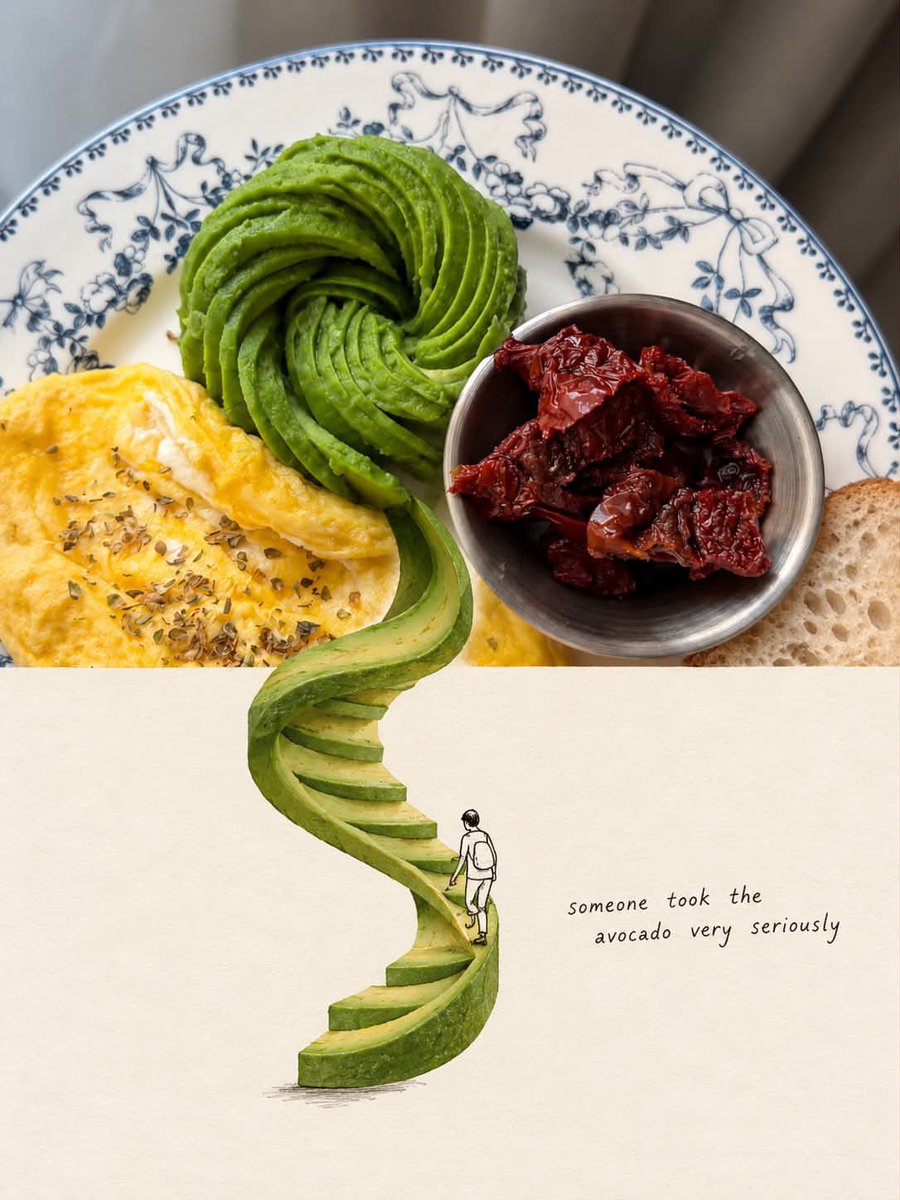
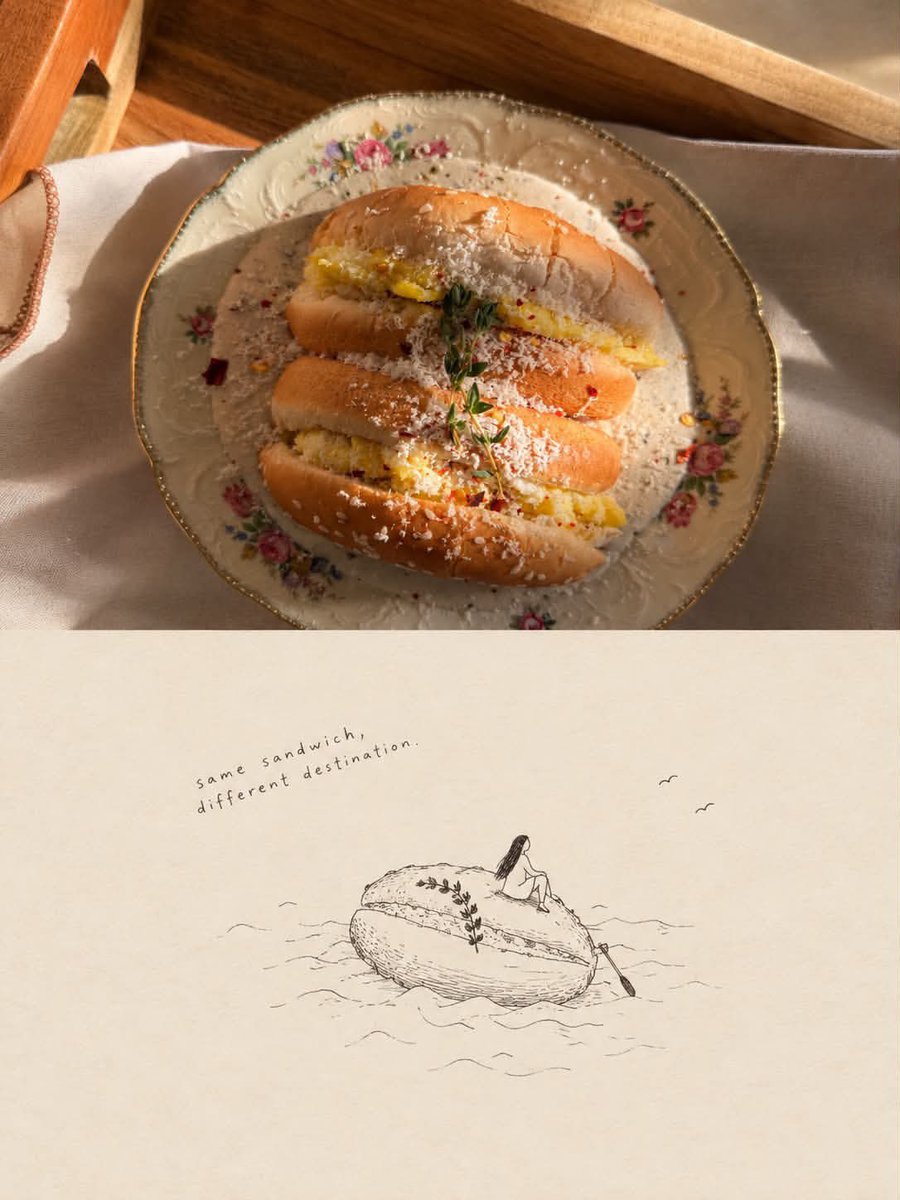
Editorial Food Poster Blending Realistic and Hand-Drawn Art

Turn an uploaded food photo into a vertical 3:4 editorial art poster: a photorealistic upper half with warm premium-magazine lighting and a whimsical hand-drawn lower half with tiny figures and a witty handwritten caption, joined by a seamless creative transition.

OpenAI

Source previews

These example images come from the original source. DROPIDEA has not independently tested these examples; results depend on the model and settings.
Ready to personalize

Your prompt

English

Replace the red variables with your information. Copy the full prompt and use it with your preferred agent.

TXT MD English version
Use the uploaded food photograph as the primary reference and transform it into a vertical 3:4 editorial art poster while preserving the main food, its appearance, composition, colors, textures, and recognizable details. Keep the upper half photorealistic, styled like a premium lifestyle/food magazine photograph: natural warm light, soft realistic shadows, elegant composition, authentic food textures, subtle film grain, vintage photography atmosphere, and a sophisticated cozy aesthetic. In the lower half, seamlessly transform the main food or a visually important element from the photograph into a whimsical hand-drawn scene or surreal miniature world related to the food. Extend, reshape, or reinterpret the food naturally as part of the illustration. Add one or two tiny human figures interacting with it in a charming, imaginative way. Use delicate imperfect ink linework, minimal vintage sketch style, subtle botanical/details, warm ivory paper texture, and plenty of negative space. Create a smooth, creative transition between the realistic photograph and the illustration so they feel like one continuous artwork rather than two separate images. The illustrated scene should tell a simple visual story based on the food and its characteristics. Add a short, witty handwritten caption that relates specifically to the food and the illustrated concept. Use small, understated handwritten typography that feels naturally drawn onto the paper. Overall style: premium editorial food photography + whimsical conceptual illustration + vintage storybook aesthetic + minimalist art direction + warm nostalgic mood. Composition: vertical 3:4, balanced negative space, realistic upper section, illustrated lower section, seamless transition, refined visual hierarchy. Avoid: changing the identity of the food, excessive decoration, clutter, large typography, borders, frames, logos, watermarks, harsh dividing lines, cartoonish 3D graphics, overly saturated colors, or an artificial AI-generated appearance.
Preview results

Your prompt

Use the uploaded food photograph as the primary reference and transform it into a vertical 3:4 editorial art poster while preserving the main food, its appearance, composition, colors, textures, and recognizable details. Keep the upper half photorealistic, styled like a premium lifestyle/food magazine photograph: natural warm light, soft realistic shadows, elegant composition, authentic food textures, subtle film grain, vintage photography atmosphere, and a sophisticated cozy aesthetic. In the lower half, seamlessly transform the main food or a visually important element from the photograph into a whimsical hand-drawn scene or surreal miniature world related to the food. Extend, reshape, or reinterpret the food naturally as part of the illustration. Add one or two tiny human figures interacting with it in a charming, imaginative way. Use delicate imperfect ink linework, minimal vintage sketch style, subtle botanical/details, warm ivory paper texture, and plenty of negative space. Create a smooth, creative transition between the realistic photograph and the illustration so they feel like one continuous artwork rather than two separate images. The illustrated scene should tell a simple visual story based on the food and its characteristics. Add a short, witty handwritten caption that relates specifically to the food and the illustrated concept. Use small, understated handwritten typography that feels naturally drawn onto the paper. Overall style: premium editorial food photography + whimsical conceptual illustration + vintage storybook aesthetic + minimalist art direction + warm nostalgic mood. Composition: vertical 3:4, balanced negative space, realistic upper section, illustrated lower section, seamless transition, refined visual hierarchy. Avoid: changing the identity of the food, excessive decoration, clutter, large typography, borders, frames, logos, watermarks, harsh dividing lines, cartoonish 3D graphics, overly saturated colors, or an artificial AI-generated appearance.

What you get

  • A vertical 3:4 art poster combining realistic photography with hand-drawn illustration.
  • A photorealistic upper half with warm light, soft shadows, and subtle film grain.
  • A lower half in vintage sketch style with tiny figures interacting with the food.
  • A smooth transition plus a short, witty handwritten caption tied to the concept.

Use cases

  • Social media posts and display boards for restaurants and cafés.
  • Menus, marketing print materials, and visual identity for food brands.
  • Wall posters and featured visuals for food and cooking content.
  • Covers or editorial layouts for food and lifestyle articles.

How to use

  • Upload a clear, high-quality food photo where the dish is the main focus; it is the required primary reference for the poster.
  • Paste the template as-is into your preferred image-generation tool without altering any of its artistic settings.
  • Confirm the output aspect ratio is set to vertical 3:4 before generating.
  • Review the result to ensure the food's identity, colors, and details match the original photo.
  • Regenerate as needed until the transition and the handwritten caption feel seamless and fitting.

Related prompts