Skip to content
ImagesFree

Vertical Memory Card: Photo and Minimal Illustration

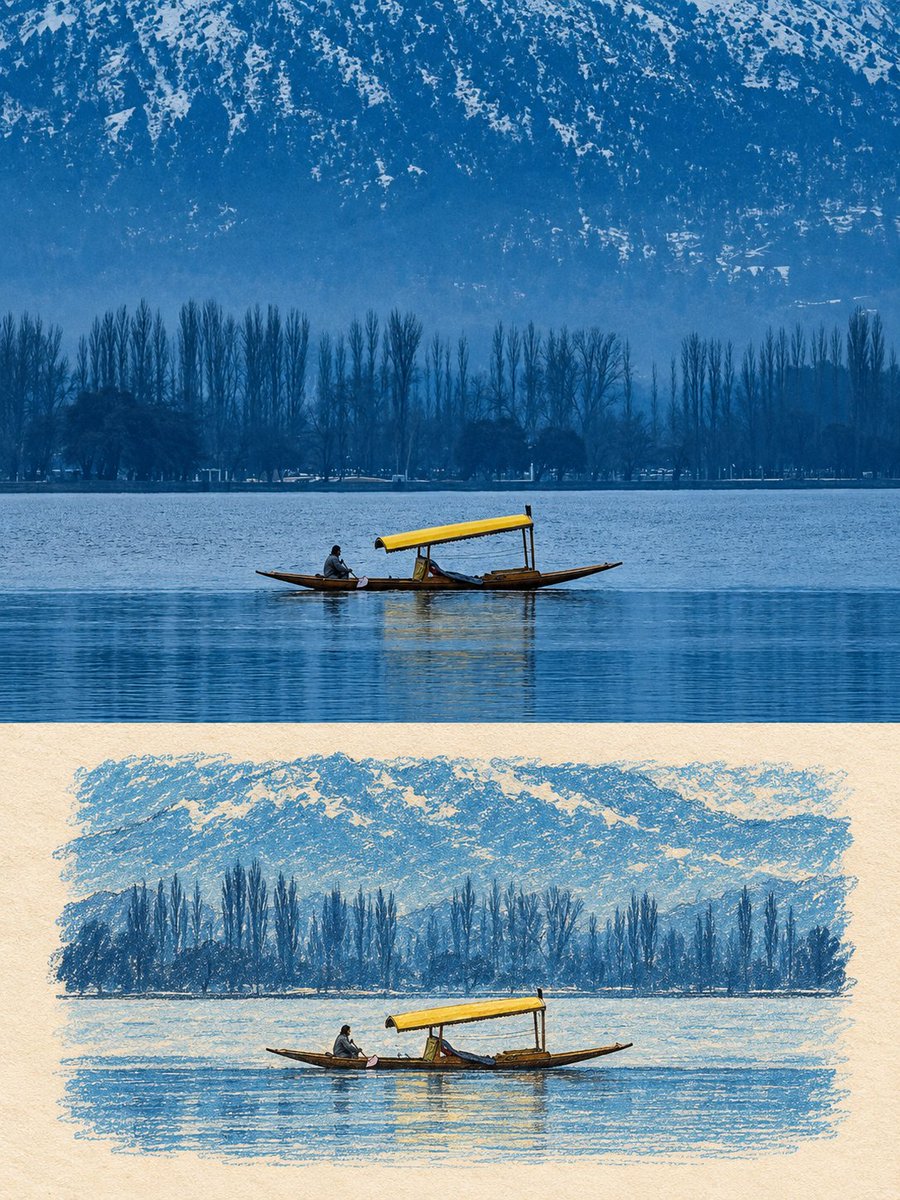
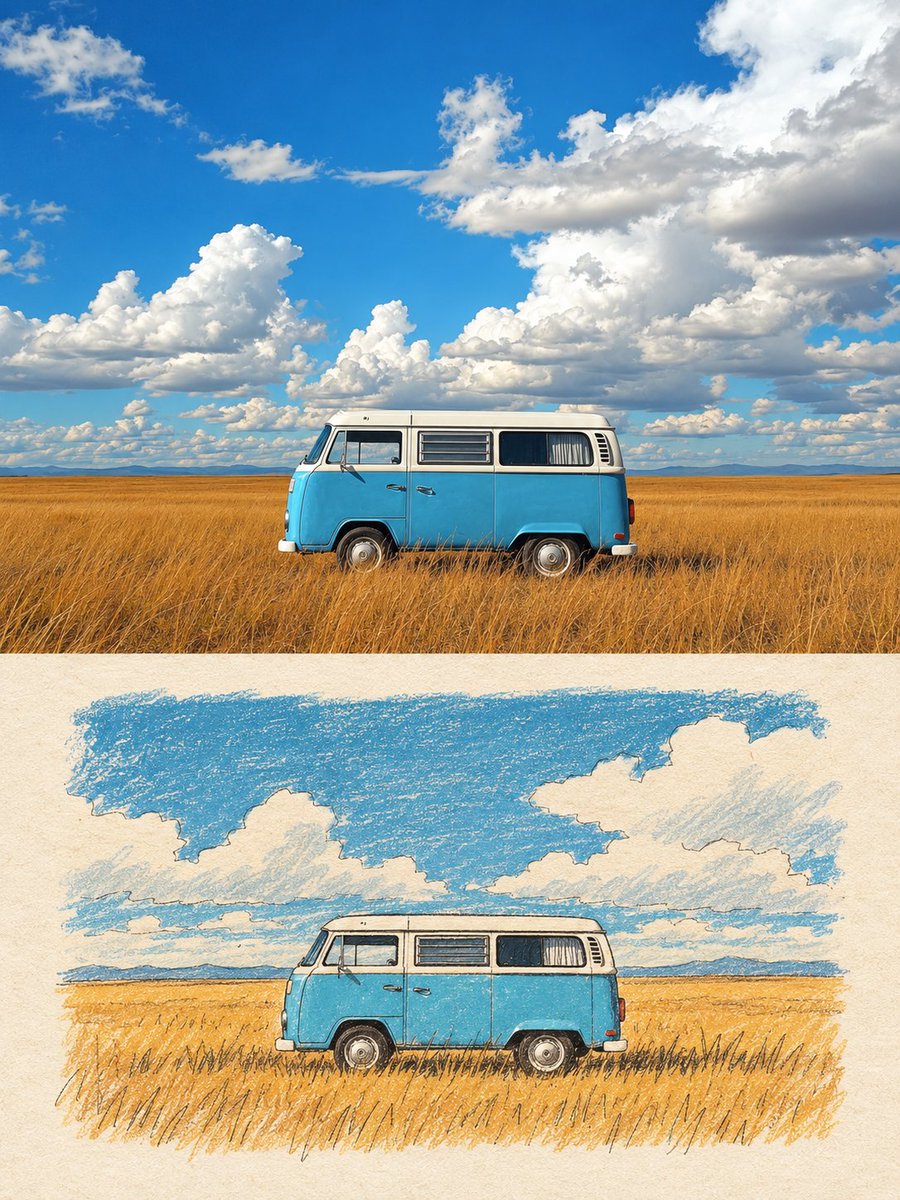
A vertical 3:4 card: the top half preserves the uploaded photo with photographic texture; the bottom half is a calm naive editorial illustration on warm ivory aged paper with colors derived from the source, plus an optional two short English lines.

OpenAI

Source previews

These example images come from the original source. DROPIDEA has not independently tested these examples; results depend on the model and settings.
Ready to personalize

Your prompt

English

Replace the red variables with your information. Copy the full prompt and use it with your preferred agent.

TXT MD English version
Use the uploaded photo as the only content source. Create a vertical 3:4 “real photo + minimal illustration” memory card based entirely on that image. Preserve the main subjects, subject count, pose, viewpoint, spatial relationships, and overall scene logic. Do not redesign the source or add unrelated content. Layout Split the card into two horizontal sections, about 50% top and 50% bottom. The top half keeps the uploaded photo with photographic texture. Crop naturally to fit, but do not stretch, mirror, rearrange, or alter the main subjects. Keep natural lighting, real materials, and the original color mood, with subtle editorial grading. The lower half uses a warm ivory handmade-paper background and shows a centered horizontal illustration of the same scene. The illustration occupies about 63-67% of the lower width, with generous blank space around it. Scene Translation In the lower illustration, preserve the most recognizable subjects, major structures, important objects, viewpoint, depth, relative scale, and key positions from the source. Remove tiny clutter, fine photographic texture, reflections, and complex shadows. Simplify the scene into slightly awkward geometric color blocks and thin hand-drawn lines. People and animals, when present, remain identifiable through silhouette, pose, hair or fur shape, clothing color, and placement, but facial detail may be reduced. Outlines may wobble, break, shift, or misalign slightly while the scene stays recognizable. Illustration Style Use restrained naive editorial drawing with soft geometric simplification and handmade quality. Combine thin sketchy linework with flat shapes. The lower scene should feel calm, clean, slightly imperfect, and visually reduced rather than technically precise. Avoid realistic rendering. Color Extract 4-6 representative colors from the uploaded photo and reinterpret them as a soft low-saturation palette. Use muted tones derived from the source, with flat fills and enough contrast to separate major subjects and scene layers. No complex gradients, glossy highlights, or heavy 3D modeling. Texture Blend crayon, pastel, screen-print, and old-book illustration qualities. Keep paper show-through, fine grain, slight pigment unevenness, worn edges, and subtle off-register shifts. The result should feel like an independent editorial illustration printed on aged paper: warm, quiet, nostalgic, and collectible. Typography Below the illustration, you may include exactly two short English lines related to the scene, mood, place, or moment. Use a small vintage serif font, left-aligned. If clean readable text cannot be rendered, leave the area blank. No other readable text. Cleanup Remove phone UI, subtitles, screenshot traces, and interface elements when present. Do not invent missing scenery or decorative props. Negative No major layout change, no added or missing primary subjects, no photoreal painting, no polished watercolor, no anime, no manga, no vector clip-art, no oil paint, no impasto, no 3D, no logo, no watermark, no black border, no UI, no unrelated decoration. Vertical 3:4 split card · photo top / naive illustration bottom · aged paper texture
Preview results

Your prompt

Use the uploaded photo as the only content source. Create a vertical 3:4 “real photo + minimal illustration” memory card based entirely on that image. Preserve the main subjects, subject count, pose, viewpoint, spatial relationships, and overall scene logic. Do not redesign the source or add unrelated content. Layout Split the card into two horizontal sections, about 50% top and 50% bottom. The top half keeps the uploaded photo with photographic texture. Crop naturally to fit, but do not stretch, mirror, rearrange, or alter the main subjects. Keep natural lighting, real materials, and the original color mood, with subtle editorial grading. The lower half uses a warm ivory handmade-paper background and shows a centered horizontal illustration of the same scene. The illustration occupies about 63-67% of the lower width, with generous blank space around it. Scene Translation In the lower illustration, preserve the most recognizable subjects, major structures, important objects, viewpoint, depth, relative scale, and key positions from the source. Remove tiny clutter, fine photographic texture, reflections, and complex shadows. Simplify the scene into slightly awkward geometric color blocks and thin hand-drawn lines. People and animals, when present, remain identifiable through silhouette, pose, hair or fur shape, clothing color, and placement, but facial detail may be reduced. Outlines may wobble, break, shift, or misalign slightly while the scene stays recognizable. Illustration Style Use restrained naive editorial drawing with soft geometric simplification and handmade quality. Combine thin sketchy linework with flat shapes. The lower scene should feel calm, clean, slightly imperfect, and visually reduced rather than technically precise. Avoid realistic rendering. Color Extract 4-6 representative colors from the uploaded photo and reinterpret them as a soft low-saturation palette. Use muted tones derived from the source, with flat fills and enough contrast to separate major subjects and scene layers. No complex gradients, glossy highlights, or heavy 3D modeling. Texture Blend crayon, pastel, screen-print, and old-book illustration qualities. Keep paper show-through, fine grain, slight pigment unevenness, worn edges, and subtle off-register shifts. The result should feel like an independent editorial illustration printed on aged paper: warm, quiet, nostalgic, and collectible. Typography Below the illustration, you may include exactly two short English lines related to the scene, mood, place, or moment. Use a small vintage serif font, left-aligned. If clean readable text cannot be rendered, leave the area blank. No other readable text. Cleanup Remove phone UI, subtitles, screenshot traces, and interface elements when present. Do not invent missing scenery or decorative props. Negative No major layout change, no added or missing primary subjects, no photoreal painting, no polished watercolor, no anime, no manga, no vector clip-art, no oil paint, no impasto, no 3D, no logo, no watermark, no black border, no UI, no unrelated decoration. Vertical 3:4 split card · photo top / naive illustration bottom · aged paper texture

Variable guide

the uploaded photo

A single photo that must be uploaded as the only content source; the template will not work without it.

Attached as an image alongside the template and referenced in the text as the uploaded photo.

Example value

A photo of children playing in a park

exactly two short English lines

Two optional short English lines related to the scene, mood, place, or moment.

Below the illustration in the bottom half of the card, left-aligned in a small vintage serif.

Example value

"Sunday light" / "on the terrace"

What you get

  • A vertical 3:4 card split horizontally into two roughly equal 50%/50% halves.
  • A top half preserving the uploaded photo with its texture, lighting, and color mood, naturally cropped.
  • A bottom half on warm ivory paper showing a centered illustration of the same scene at 63-67% of the width.
  • A soft low-saturation palette of 4-6 colors extracted from the photo.
  • A texture blending crayon, pastel, screen-print, and old-book illustration qualities.
  • An optional two short English lines in a small vintage serif under the illustration.

Use cases

  • Memory cards for trips, family occasions, and special moments.
  • Wall décor or gift prints with a nostalgic editorial feel.
  • Thank-you or invitation cards with a warm visual touch from real photos.
  • Social media content turning personal photos into collectible art.

How to use

  • Upload one clear photo containing the main subjects you want preserved; the uploaded photo is the only content source.
  • Copy the full Arabic template and send it with the uploaded photo without altering ratios or numbers such as 3:4, 50%, and 63-67%.
  • Decide whether to include two short English lines under the illustration, or request the area be left blank for no text.
  • Keep technical negative settings such as no 3D, no logo, no watermark unchanged, as they ensure a clean result.
  • Review the output: the top half must remain a genuine photo with no fundamental changes, and the bottom half a naive illustration with colors derived from the photo.

Related prompts