Skip to content
ImagesFree

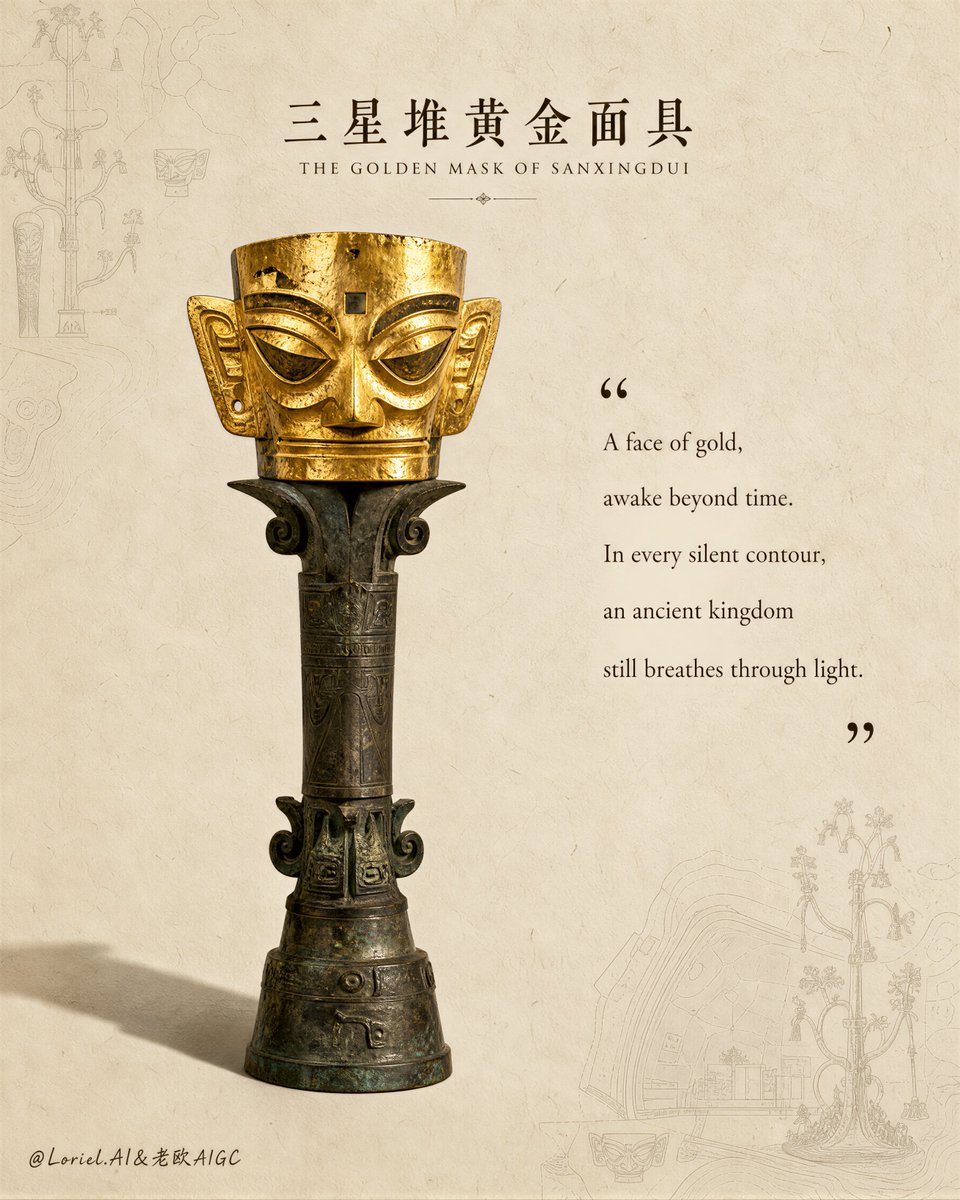
Premium Cultural Tourism Poster for the Sanxingdui Golden Mask

A prompt guiding an image model to create an ultra-premium cultural tourism poster featuring the Sanxingdui Golden Mask as the sole visual hero, on warm archival paper with faint archaeological linework, a literary quote block, and a bilingual title signature, finished to framable art-print quality.

OpenAI

Source previews

These example images come from the original source. DROPIDEA has not independently tested these examples; results depend on the model and settings.

Ready to personalize

Your prompt

English

Replace the red variables with your information. Copy the full prompt and use it with your preferred agent.

TXT MD English version
Recommend an ancient civilization city, do not place a panoramic landmark first; place a piece of "evidence" that makes people want to touch it first. A broken column, a pattern, a mask is enough to carry the entire city's sense of time. The tourism poster shifts from "introducing scenic spots" to "inviting you to approach civilization." ✦ one symbolic heritage artifact as the hero Choose a recognizable fragment, vessel, or sculpture to be the sole protagonist. It solves the problem that grand landmarks are spectacular but lack intimacy. ✦ material truth: erosion, grain, patina, carving depth Write stone weathering, metal oxidation, cracks, and mineral textures in concrete detail. It solves the common "only symbols, no sense of era" problem in cultural posters. ✦ faint archival line drawings in the background Place faint ruin line drawings, archaeological diagrams, or architectural sketches in the corners. It supplies provenance for the main object without stealing visual focus. editorial copy beside the object, not on top of it Copy sits beside the relic like a museum label, letting negative space participate in the narrative. It solves the problem of information pressing on the image and breaking the premium feel. GPT-image 2 prompt👇 Create an ultra-premium cultural tourism poster for China's Sanxingdui Golden Mask, designed as a collector-grade destination campaign visual with Cannes-level advertising intelligence, museum-grade restraint, and exquisite print realism. Preserve the exact structural logic of the composition: a warm off-white textured paper background, one single tall ceremonial relic placed slightly left of center as the absolute visual hero, a refined quote-style copy block on the right, faint archaeological line drawings in the background corners, and a minimal title signature near the top. The final image must feel like a finished fine-art tourism poster suitable for museum campaigns, cultural exhibitions, luxury editorial publication, and framed collector prints. Core composition: Use a tall vertical layout with vast negative space and immaculate balance. The background must be refined handmade paper in warm ivory, mineral beige, pale parchment, and chalky off-white tones, showing subtle fibers, matte grain, and premium archival print texture. Place one singular upright artifact slightly left of center, standing with solemn monumentality and casting a long soft shadow across the paper surface. Keep the overall composition extremely clean, breathable, elegant, and architecturally aligned. Hero object: Design a freestanding ceremonial relic inspired by the Sanxingdui Golden Mask, treated as a poetic museum object rather than a literal display-case exhibit. The structure should combine a dark ancient bronze body with a luminous gold mask crowning the upper section. The mask must be the emotional and visual center: sacred symmetry, wide ritual eyes, angular planes, mysterious silence, and unmistakable ancient Shu-civilization character. The lower body should feel like an archaeological support relic with aged bronze surfaces, subtle engraved patterns, ceremonial geometry, mineral patina, and time-worn dignity. The entire object must feel physically real, spiritually charged, and unforgettable. Material realism: Render the gold mask with extraordinary realism: hammered gold-sheet texture, delicate dents, slight edge irregularity, ancient wear, warm reflective glow, soft surface abrasion, and museum lighting behavior. Render the bronze base with rich brown-black metal depth, green oxidation traces, mineral staining, shallow carved motifs, and excavated age marks. Every material must obey physical light behavior and remain convincing at close viewing distance. The object should feel precious, sacred, and collectible. Background linework: In the upper left and lower right corners, add faint archival-style archaeological line drawings softly printed into the paper. These should suggest Sanxingdui-related heritage imagery such as ritual bronzes, sacred tree silhouettes, excavation contours, or ceremonial structures. Keep them airy, partially faded, elegant, and secondary, so they enrich the scholarly atmosphere without competing with the main relic. Right-side copy block: On the right side, place a refined editorial quote block in premium serif typography. Use newly invented wording only. Suggested text: "A face of gold, awake beyond time. In every silent contour, an ancient kingdom still breathes through light." Set the text with beautiful spacing, elegant quotation marks, and restrained hierarchy. The copy must feel literary, sparse, international, and museum-grade. Title signature: Near the top, place a refined destination signature using Chinese main title with an English subtitle: 三星堆黄金面具 THE GOLDEN MASK OF SANXINGDUI This title area must feel like an official cultural-tourism signature, not a company logo. Keep it minimal, elegant, and beautifully integrated into the negative space. All wording must be original. Do not include any real person names or any real company names. Visual storytelling: The poster must communicate that the Sanxingdui Golden Mask is not merely an artifact, but a sacred threshold into the mystery, intelligence, ritual power, and lost brilliance of ancient Shu civilization. One face should feel capable of holding the emotional weight of an entire vanished world. The design must merge museum display language, national cultural-tourism branding, and fine-art poster aesthetics into one resolved image. Lighting and atmosphere: Use soft controlled gallery lighting with warm golden highlights concentrated on the mask and gentle shadow falloff across the matte paper field. The atmosphere should feel quiet, sacred, archaeological, and emotionally magnetic. Avoid excessive effects. Let the artifact glow with restrained authority, as if revealed from silence after millennia. Print and poster finish: Push the entire poster toward final art-grade print quality. Emphasize paper fibers, gold reflectivity, bronze oxidation, dust in recesses, faded linework, luxury typography, and highly controlled negative space. The image must feel beautifully printed on heavyweight archival paper, suitable for framing and close viewing. This should look like a final premium tourism poster, not a concept sketch or generic travel advertisement. Creative emphasis: Combine three layers in one final result: Orbit-level impact through a stronger sacred-mask presence and a more commanding emotional gaze; Transit-level maturity through cleaner typography, tighter spacing, more disciplined linework, and a more official cultural-poster structure; final art-poster finish through collector-grade paper texture, museum restraint, and a fully resolved international tourism presentation. No copied text, no real person names, no real company names, no cluttered layout, no cheap travel-flyer styling, no chaotic montage, no low-detail artifact, no stock-photo feeling, no crude typography.
Preview results

Your prompt

Recommend an ancient civilization city, do not place a panoramic landmark first; place a piece of "evidence" that makes people want to touch it first. A broken column, a pattern, a mask is enough to carry the entire city's sense of time. The tourism poster shifts from "introducing scenic spots" to "inviting you to approach civilization." ✦ one symbolic heritage artifact as the hero Choose a recognizable fragment, vessel, or sculpture to be the sole protagonist. It solves the problem that grand landmarks are spectacular but lack intimacy. ✦ material truth: erosion, grain, patina, carving depth Write stone weathering, metal oxidation, cracks, and mineral textures in concrete detail. It solves the common "only symbols, no sense of era" problem in cultural posters. ✦ faint archival line drawings in the background Place faint ruin line drawings, archaeological diagrams, or architectural sketches in the corners. It supplies provenance for the main object without stealing visual focus. editorial copy beside the object, not on top of it Copy sits beside the relic like a museum label, letting negative space participate in the narrative. It solves the problem of information pressing on the image and breaking the premium feel. GPT-image 2 prompt👇 Create an ultra-premium cultural tourism poster for China's Sanxingdui Golden Mask, designed as a collector-grade destination campaign visual with Cannes-level advertising intelligence, museum-grade restraint, and exquisite print realism. Preserve the exact structural logic of the composition: a warm off-white textured paper background, one single tall ceremonial relic placed slightly left of center as the absolute visual hero, a refined quote-style copy block on the right, faint archaeological line drawings in the background corners, and a minimal title signature near the top. The final image must feel like a finished fine-art tourism poster suitable for museum campaigns, cultural exhibitions, luxury editorial publication, and framed collector prints. Core composition: Use a tall vertical layout with vast negative space and immaculate balance. The background must be refined handmade paper in warm ivory, mineral beige, pale parchment, and chalky off-white tones, showing subtle fibers, matte grain, and premium archival print texture. Place one singular upright artifact slightly left of center, standing with solemn monumentality and casting a long soft shadow across the paper surface. Keep the overall composition extremely clean, breathable, elegant, and architecturally aligned. Hero object: Design a freestanding ceremonial relic inspired by the Sanxingdui Golden Mask, treated as a poetic museum object rather than a literal display-case exhibit. The structure should combine a dark ancient bronze body with a luminous gold mask crowning the upper section. The mask must be the emotional and visual center: sacred symmetry, wide ritual eyes, angular planes, mysterious silence, and unmistakable ancient Shu-civilization character. The lower body should feel like an archaeological support relic with aged bronze surfaces, subtle engraved patterns, ceremonial geometry, mineral patina, and time-worn dignity. The entire object must feel physically real, spiritually charged, and unforgettable. Material realism: Render the gold mask with extraordinary realism: hammered gold-sheet texture, delicate dents, slight edge irregularity, ancient wear, warm reflective glow, soft surface abrasion, and museum lighting behavior. Render the bronze base with rich brown-black metal depth, green oxidation traces, mineral staining, shallow carved motifs, and excavated age marks. Every material must obey physical light behavior and remain convincing at close viewing distance. The object should feel precious, sacred, and collectible. Background linework: In the upper left and lower right corners, add faint archival-style archaeological line drawings softly printed into the paper. These should suggest Sanxingdui-related heritage imagery such as ritual bronzes, sacred tree silhouettes, excavation contours, or ceremonial structures. Keep them airy, partially faded, elegant, and secondary, so they enrich the scholarly atmosphere without competing with the main relic. Right-side copy block: On the right side, place a refined editorial quote block in premium serif typography. Use newly invented wording only. Suggested text: "A face of gold, awake beyond time. In every silent contour, an ancient kingdom still breathes through light." Set the text with beautiful spacing, elegant quotation marks, and restrained hierarchy. The copy must feel literary, sparse, international, and museum-grade. Title signature: Near the top, place a refined destination signature using Chinese main title with an English subtitle: 三星堆黄金面具 THE GOLDEN MASK OF SANXINGDUI This title area must feel like an official cultural-tourism signature, not a company logo. Keep it minimal, elegant, and beautifully integrated into the negative space. All wording must be original. Do not include any real person names or any real company names. Visual storytelling: The poster must communicate that the Sanxingdui Golden Mask is not merely an artifact, but a sacred threshold into the mystery, intelligence, ritual power, and lost brilliance of ancient Shu civilization. One face should feel capable of holding the emotional weight of an entire vanished world. The design must merge museum display language, national cultural-tourism branding, and fine-art poster aesthetics into one resolved image. Lighting and atmosphere: Use soft controlled gallery lighting with warm golden highlights concentrated on the mask and gentle shadow falloff across the matte paper field. The atmosphere should feel quiet, sacred, archaeological, and emotionally magnetic. Avoid excessive effects. Let the artifact glow with restrained authority, as if revealed from silence after millennia. Print and poster finish: Push the entire poster toward final art-grade print quality. Emphasize paper fibers, gold reflectivity, bronze oxidation, dust in recesses, faded linework, luxury typography, and highly controlled negative space. The image must feel beautifully printed on heavyweight archival paper, suitable for framing and close viewing. This should look like a final premium tourism poster, not a concept sketch or generic travel advertisement. Creative emphasis: Combine three layers in one final result: Orbit-level impact through a stronger sacred-mask presence and a more commanding emotional gaze; Transit-level maturity through cleaner typography, tighter spacing, more disciplined linework, and a more official cultural-poster structure; final art-poster finish through collector-grade paper texture, museum restraint, and a fully resolved international tourism presentation. No copied text, no real person names, no real company names, no cluttered layout, no cheap travel-flyer styling, no chaotic montage, no low-detail artifact, no stock-photo feeling, no crude typography.

Variable guide

Sanxingdui Golden Mask

The hero heritage artifact; swap it to change the poster subject.

Every mention of the mask in the template, plus the title lines 三星堆黄金面具 and THE GOLDEN MASK OF SANXINGDUI in the title signature section.

Example value

Tutankhamun's golden funerary mask

A face of gold, awake beyond time. In every silent contour, an ancient kingdom still breathes through light.

The original English literary quote in the right-side block.

The five quoted lines after “Suggested text:” in the right-side copy block section.

Example value

A bronze heart, beating under dust. In every carved silence, a lost civilization still dreams in gold.

What you get

  • A luxurious vertical cultural tourism poster on warm archival paper.
  • One commanding heritage relic as the sole visual hero with a soft shadow.
  • Faint archaeological line drawings in two corners enriching the scholarly mood.
  • A literary serif quote block and a bilingual title signature.
  • Final art-grade print quality suitable for framing and close viewing.

Use cases

  • Cultural destination tourism campaigns.
  • Museum exhibition posters and cultural events.
  • Luxury editorial publication and limited collector prints.

How to use

  • Read the intro to grasp the concept: one intimate heritage artifact instead of distant panoramic landmarks.
  • Edit the hero artifact variable to feature another relic, updating both the Chinese and English title lines to match.
  • Optionally replace the suggested quote with new original wording, keeping it in English and multi-line.
  • Copy the full template and send it to your image generation model, keeping all technical settings unchanged.
  • Review outputs against the negative constraints at the end of the template and regenerate as needed.

Related prompts