Skip to content
ImagesFree

Quad-Modular Image Generation Formula: Subject, Style, Composition, Medium

A structured prompt framework combining four essential creative modules—subject, style, composition, and medium—with 4 curated multi-style design prompts.

OpenAI

Source previews

These example images come from the original source. DROPIDEA has not independently tested these examples; results depend on the model and settings.
Ready to personalize

Your prompt

English

Replace the red variables with your information. Copy the full prompt and use it with your preferred agent.

TXT MD English version
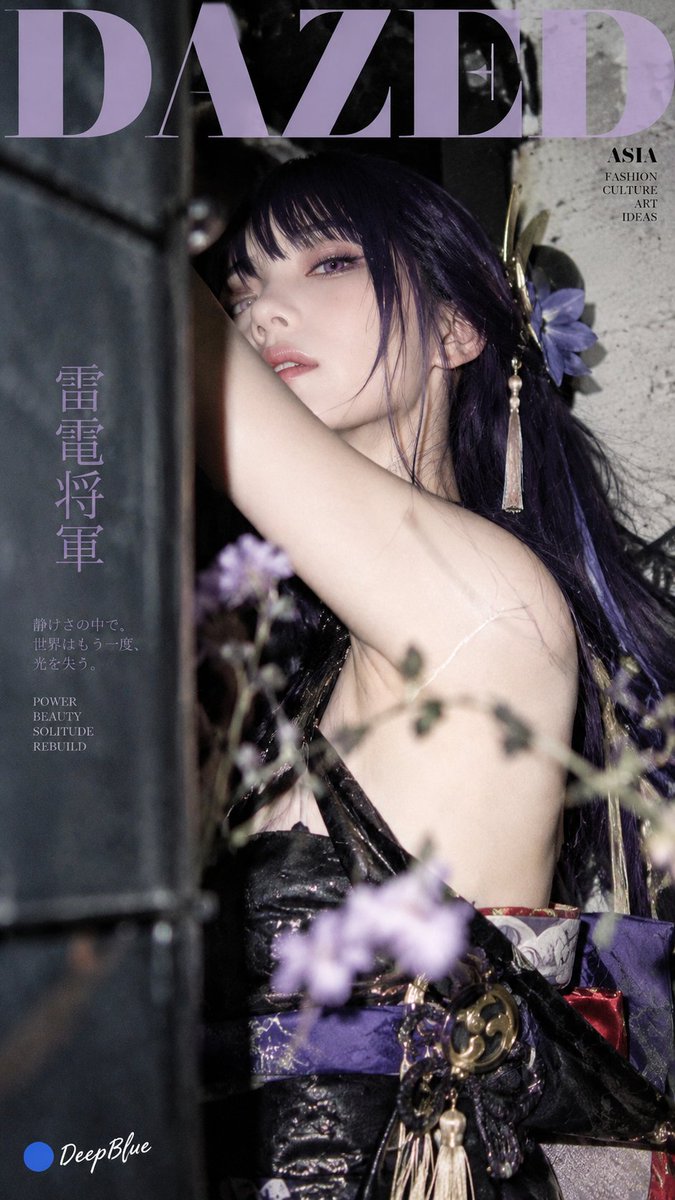
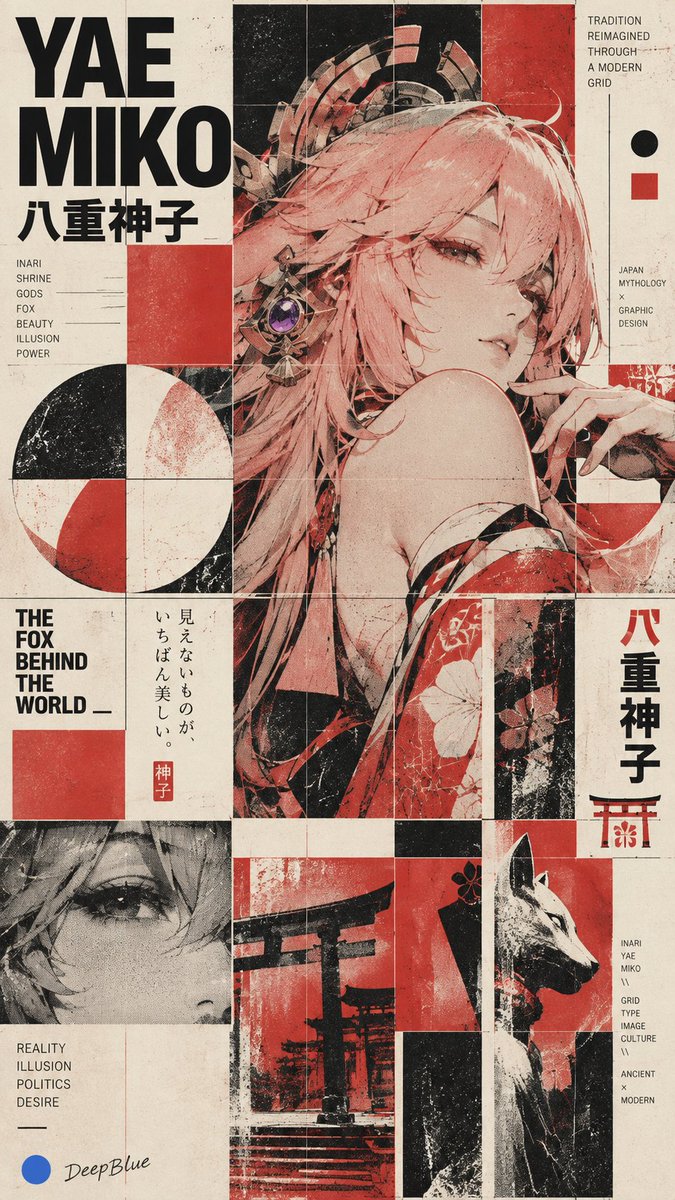
[Subject] × [Style] × [Composition] × [Medium] Subject: Who/what to paint — determines the core object of the image. Style: What visual approach to use — determines the overall visual language. Composition: How to organize the image — determines how the subject, space, text, and visual focus are arranged. Medium: How to present it — determines the material, texture, and final form of the image. Each of the four modules solves one problem: Who to paint × How to express × How to organize × How to produce —————————— The following 4 image prompts Image 1: Raiden Shogun × Avant-garde fashion magazine × Partial-occlusion composition × CCD direct flash Image 2: Yae Miko × Swiss International Typographic Style (Internationale Grafik) flat graphic design × Modular grid composition × Intaglio printing Image 3: Kamisato Ayaka × Traditional Japanese ukiyo-e × Flattened figure composition × Multi-block woodblock color printing Image 4: Ganyu × Song dynasty flower-and-bird painting × Floral-branch frame composition × Silk painting with color
Preview results

Your prompt

[Subject] × [Style] × [Composition] × [Medium] Subject: Who/what to paint — determines the core object of the image. Style: What visual approach to use — determines the overall visual language. Composition: How to organize the image — determines how the subject, space, text, and visual focus are arranged. Medium: How to present it — determines the material, texture, and final form of the image. Each of the four modules solves one problem: Who to paint × How to express × How to organize × How to produce —————————— The following 4 image prompts Image 1: Raiden Shogun × Avant-garde fashion magazine × Partial-occlusion composition × CCD direct flash Image 2: Yae Miko × Swiss International Typographic Style (Internationale Grafik) flat graphic design × Modular grid composition × Intaglio printing Image 3: Kamisato Ayaka × Traditional Japanese ukiyo-e × Flattened figure composition × Multi-block woodblock color printing Image 4: Ganyu × Song dynasty flower-and-bird painting × Floral-branch frame composition × Silk painting with color

Variable guide

[Subject]

The core character or object to be depicted

At the start of the formula line and within the Subject description

Example value

Raiden Shogun

[Style]

The artistic movement or visual language

Second parameter of the formula line and within the Style description

Example value

Avant-garde fashion magazine

[Composition]

The layout, spatial organization, and focal structure

Third parameter of the formula line and within the Composition description

Example value

Partial-occlusion composition

[Medium]

The tactile material, surface texture, or rendering technique

Final parameter of the formula line and within the Medium description

Example value

CCD direct flash

What you get

  • A structured and modular formula ensuring clarity and depth in AI-generated imagery.
  • Harmonious balance between core subject, artistic style, layout, and physical texture.
  • Four ready-to-use production prompt examples ranging from contemporary photography to traditional fine art.

Use cases

  • Concept art development and high-impact graphic design posters.
  • Simulating traditional printmaking and historical art media like woodblock and silk painting.
  • Fashion editorial shoots and avant-garde character design.

How to use

  • Choose the primary subject you want to depict.
  • Select the visual style or aesthetic reference for the artwork.
  • Define the composition and arrangement of elements, text, and space.
  • Choose the artistic medium or rendering technique that defines texture and final output.
  • Combine the four elements using the formula [Subject] × [Style] × [Composition] × [Medium], or use one of the 4 included examples.

Related prompts