Skip to content
ImagesFree

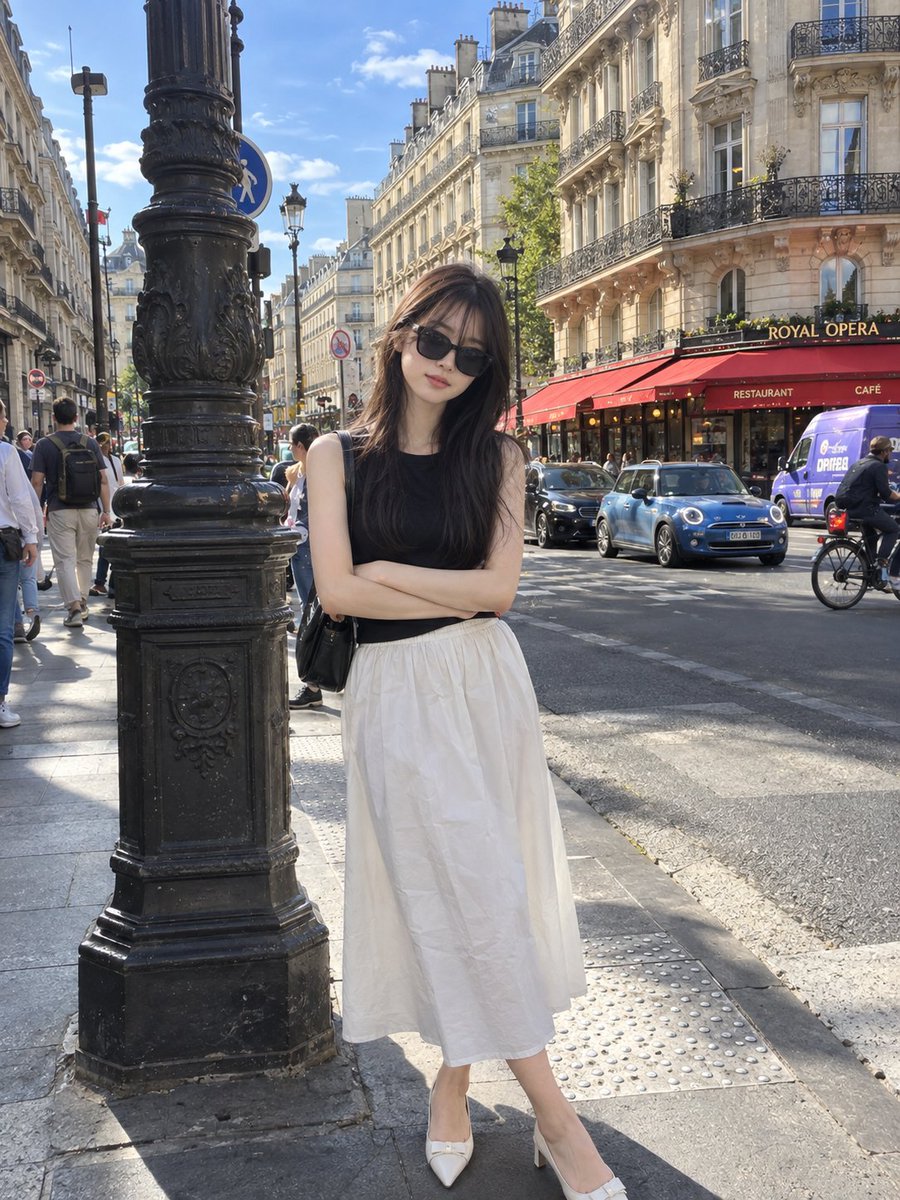
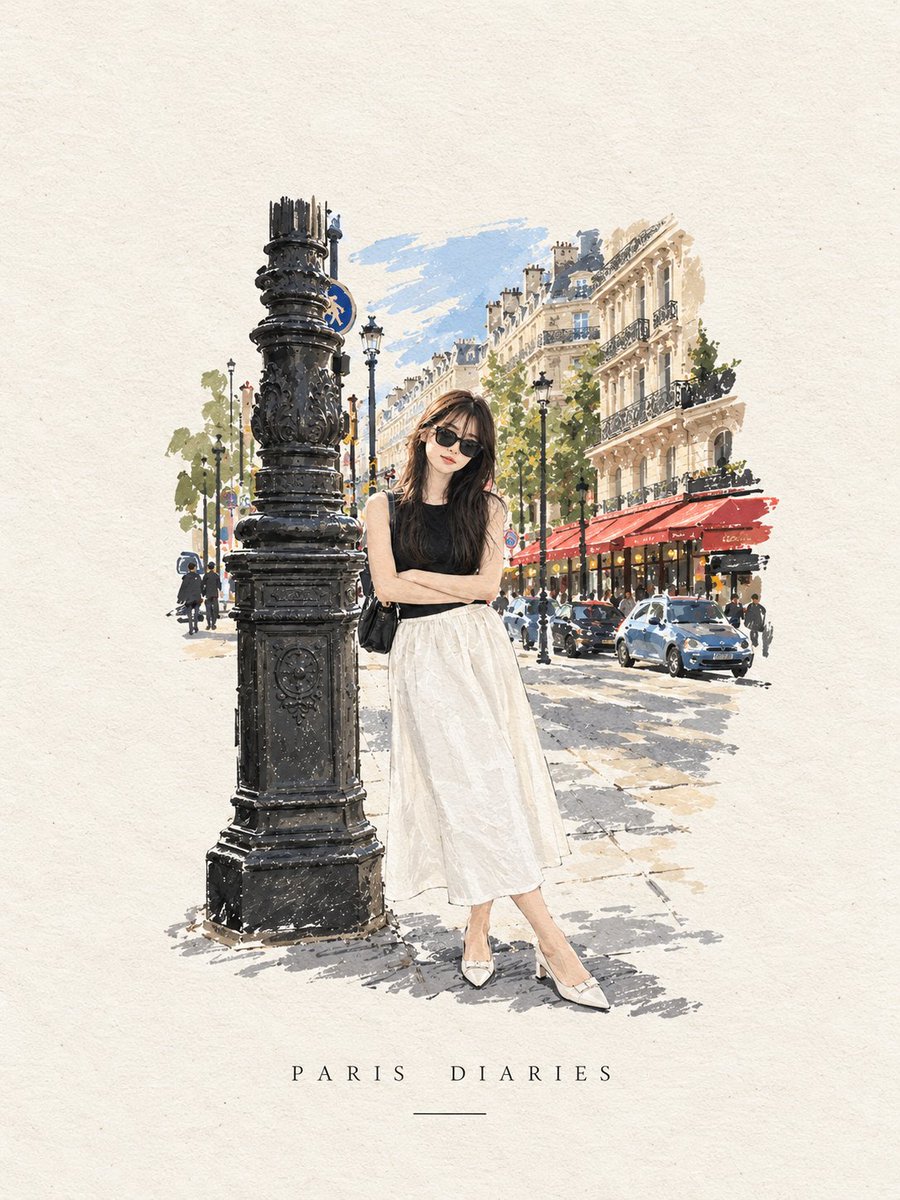
Quiet Art Book Cover from a Real Photo

A template that turns an uploaded photograph into a 3:4 vertical editorial poster: the top half keeps the original photo nearly untouched, while the bottom half renders a miniature handmade-paper interpretation with imperfect ink-like lines and a maximum of 4 sampled colors, in a refined minimalist, quiet-luxury style.

OpenAI

Source previews

These example images come from the original source. DROPIDEA has not independently tested these examples; results depend on the model and settings.
Ready to personalize

Your prompt

English

Replace the red variables with your information. Copy the full prompt and use it with your preferred agent.

TXT MD English version
GPT Image 2.5 turning a real photo into a quiet art book cover. Prompt Create a sophisticated 3:4 vertical editorial art poster with GPT Image 2.5, using the uploaded photograph as the primary visual reference. Divide the composition into two perfectly balanced horizontal halves. Upper 50% — Original Photograph Keep the uploaded image almost completely untouched. Preserve the exact identity, facial features, pose, styling, clothing, objects, composition, lighting, colors, proportions, and natural photographic texture. The image should still look like the original photograph, enhanced only with subtle high-end editorial color grading. Lower 50% — Artistic Interpretation Transform the key visual elements of the photograph into a tiny, centered handmade-paper artwork. Reduce the scene into a few recognizable shapes and imperfect hand-drawn lines, as if created for an independent contemporary art publication. Use: - warm off-white handmade paper - delicate imperfect ink-like outlines - simple flat acrylic-inspired shapes - organic uneven edges - subtle natural paper fibers and grain - maximum 4 colors sampled from the original photograph The miniature artwork should occupy only 10–20% of the lower half, leaving most of the space intentionally empty. Keep it understated and poetic rather than detailed. Add optional tiny editorial typography only if it naturally complements the composition. Typography should be minimal, elegant, and secondary to the artwork. Visual direction: contemporary art book, quiet luxury, gallery editorial, handmade print, refined minimalism, poetic negative space, sophisticated composition. Do not make it: cartoonish, childish, watercolor, colored-pencil, 3D, glossy, overly digital, highly detailed, colorful, busy, or commercial-looking. The final result should feel like a limited-edition independent art-book cover where a real photograph and its handmade artistic memory coexist in one composition.
Preview results

Your prompt

GPT Image 2.5 turning a real photo into a quiet art book cover. Prompt Create a sophisticated 3:4 vertical editorial art poster with GPT Image 2.5, using the uploaded photograph as the primary visual reference. Divide the composition into two perfectly balanced horizontal halves. Upper 50% — Original Photograph Keep the uploaded image almost completely untouched. Preserve the exact identity, facial features, pose, styling, clothing, objects, composition, lighting, colors, proportions, and natural photographic texture. The image should still look like the original photograph, enhanced only with subtle high-end editorial color grading. Lower 50% — Artistic Interpretation Transform the key visual elements of the photograph into a tiny, centered handmade-paper artwork. Reduce the scene into a few recognizable shapes and imperfect hand-drawn lines, as if created for an independent contemporary art publication. Use: - warm off-white handmade paper - delicate imperfect ink-like outlines - simple flat acrylic-inspired shapes - organic uneven edges - subtle natural paper fibers and grain - maximum 4 colors sampled from the original photograph The miniature artwork should occupy only 10–20% of the lower half, leaving most of the space intentionally empty. Keep it understated and poetic rather than detailed. Add optional tiny editorial typography only if it naturally complements the composition. Typography should be minimal, elegant, and secondary to the artwork. Visual direction: contemporary art book, quiet luxury, gallery editorial, handmade print, refined minimalism, poetic negative space, sophisticated composition. Do not make it: cartoonish, childish, watercolor, colored-pencil, 3D, glossy, overly digital, highly detailed, colorful, busy, or commercial-looking. The final result should feel like a limited-edition independent art-book cover where a real photograph and its handmade artistic memory coexist in one composition.

What you get

  • A 3:4 vertical editorial poster split into two perfectly balanced halves.
  • A top half that preserves the original photo with only subtle editorial color grading.
  • A miniature handmade-paper artwork with imperfect ink-like outlines and a maximum of 4 sampled colors.
  • Generous negative space and the feel of a limited-edition independent art-book cover.

Use cases

  • Art book covers and independent exhibition catalogs.
  • Quiet editorial posters for galleries and cultural publications.
  • Personal artworks combining a photograph with its handmade memory.
  • Visual materials with a quiet-luxury, refined-minimalism identity.

How to use

  • Upload a clear, real photograph to serve as the primary visual reference.
  • Copy the template and paste it into the GPT Image 2.5 tool together with the uploaded photo.
  • Make sure the output aspect ratio is set to 3:4 vertical before generating.
  • Review the result: the top half must match the photo, and the miniature artwork should occupy only 10–20% of the lower half.
  • Regenerate while adjusting the optional editorial typography if you want to add or remove it.

Related prompts