Skip to content
ImagesFree

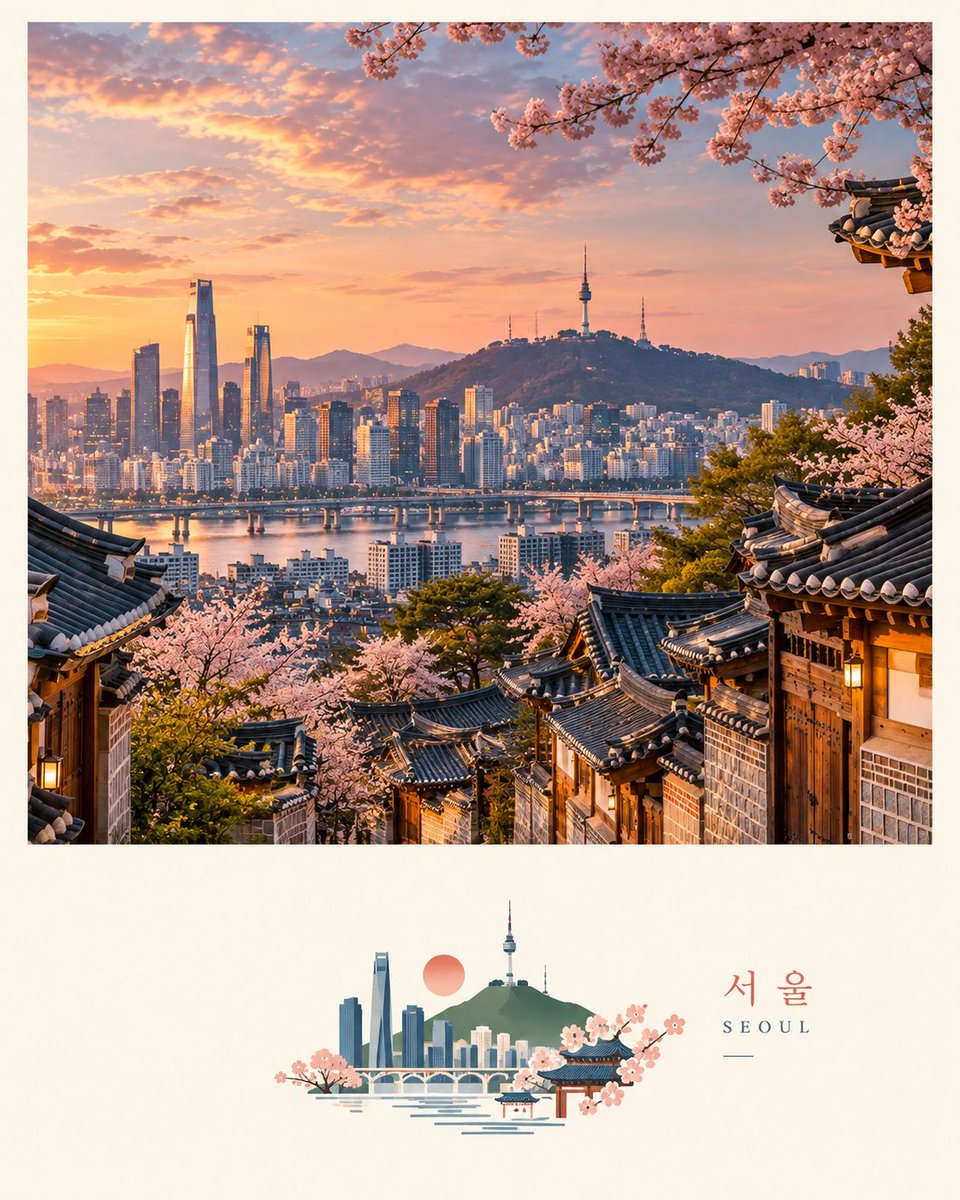
Editorial Travel Poster with Minimal Geometric Vignette

Create a premium 4:5 vertical editorial travel composition pairing a realistic upper scene with a minimal geometric graphic vignette and generous negative space.

OpenAI

Source previews

These example images come from the original source. DROPIDEA has not independently tested these examples; results depend on the model and settings.

Ready to personalize

Your prompt

English

Replace the red variables with your information. Copy the full prompt and use it with your preferred agent.

TXT MD English version
Create a premium 4:5 vertical editorial travel artwork for [COUNTRY / CITY / LOCATION / SUBJECT]. TEXT-TO-IMAGE ONLY — generate the entire composition creatively from [COUNTRY / CITY / LOCATION / SUBJECT] alone. No reference image required. CORE CONCEPT Create a realistic upper scene representing [COUNTRY / CITY / LOCATION / SUBJECT], paired with a small Minimal Geometric Graphic Vignette in the lower section. The lower artwork should visually echo the main scene without literally reproducing it. GRAPHIC VIGNETTE Automatically identify the 2–5 strongest visual memory points of [COUNTRY / CITY / LOCATION / SUBJECT]—its most recognizable silhouette, movement, posture, structure, object, or narrative relationship. Remove everything unnecessary and reconstruct these elements using simple geometric forms, clean silhouettes, solid color blocks, and a few carefully layered shapes. The vignette should remain small and refined, never attempting to recreate the entire scene. It may be slightly off-center, edge-aligned, floating, partially cropped, or asymmetrically positioned according to the visual weight of the subject. NEGATIVE SPACE Give the geometric artwork generous surrounding whitespace. Treat negative space as an essential design element, using scale contrast, positive/negative shapes, spacing, clustering, and asymmetrical balance to create a sophisticated editorial rhythm. COLOR Derive a restrained 2–4 color palette from the visual identity of [COUNTRY / CITY / LOCATION / SUBJECT]. Extract meaningful colors associated with the subject, environment, materials, season, atmosphere, clothing, architecture, vegetation, water, or food, then simplify and slightly brighten them into clean graphic colors. Use a very pale, soft background close to white. Avoid muddy neutrals, unnecessary muted palettes, fluorescent colors, or decorative colors unrelated to the subject. STYLE Keep the vignette small, simple, precise, and highly recognizable. Use professional graphic-design language rather than realistic volume, complex textures, or cartoon styling. Whether the subject is a person, building, animal, plant, object, vehicle, or landscape, transform it into an elegant spot illustration with strong visual identity and minimal geometry. TYPOGRAPHY Add only a very small amount of restrained editorial text if appropriate. Derive a short word or phrase from the destination, subject, action, mood, or visual metaphor. Keep it subtle and integrated into the surrounding negative space. FINAL AESTHETIC Minimal geometric graphic design × editorial spot illustration × contemporary travel art × intelligent negative space × semantic color palette. The result should feel refined, modern, playful, highly intentional, and collectible—not like a photo tracing or ordinary cartoon. Avoid photorealistic lower artwork, literal photo recreation, excessive detail, complex shading, gradients, 3D rendering, oversized graphics, clutter, decorative colors, generic icons, excessive typography, logos, watermarks, or filled-in backgrounds. FORMAT: 4:5 vertical, premium editorial composition, small geometric vignette with generous negative space.
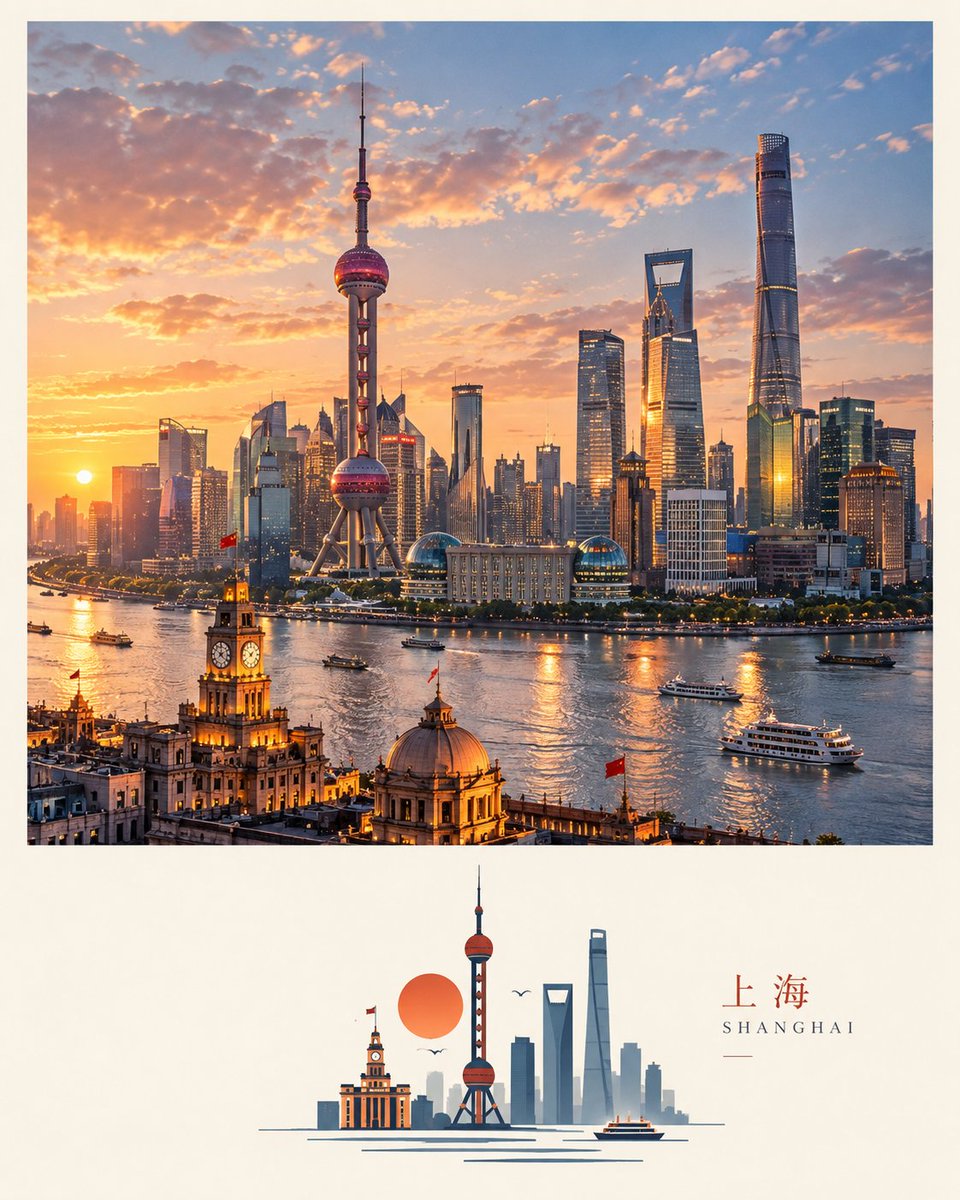
Preview results

Your prompt

Create a premium 4:5 vertical editorial travel artwork for [COUNTRY / CITY / LOCATION / SUBJECT]. TEXT-TO-IMAGE ONLY — generate the entire composition creatively from [COUNTRY / CITY / LOCATION / SUBJECT] alone. No reference image required. CORE CONCEPT Create a realistic upper scene representing [COUNTRY / CITY / LOCATION / SUBJECT], paired with a small Minimal Geometric Graphic Vignette in the lower section. The lower artwork should visually echo the main scene without literally reproducing it. GRAPHIC VIGNETTE Automatically identify the 2–5 strongest visual memory points of [COUNTRY / CITY / LOCATION / SUBJECT]—its most recognizable silhouette, movement, posture, structure, object, or narrative relationship. Remove everything unnecessary and reconstruct these elements using simple geometric forms, clean silhouettes, solid color blocks, and a few carefully layered shapes. The vignette should remain small and refined, never attempting to recreate the entire scene. It may be slightly off-center, edge-aligned, floating, partially cropped, or asymmetrically positioned according to the visual weight of the subject. NEGATIVE SPACE Give the geometric artwork generous surrounding whitespace. Treat negative space as an essential design element, using scale contrast, positive/negative shapes, spacing, clustering, and asymmetrical balance to create a sophisticated editorial rhythm. COLOR Derive a restrained 2–4 color palette from the visual identity of [COUNTRY / CITY / LOCATION / SUBJECT]. Extract meaningful colors associated with the subject, environment, materials, season, atmosphere, clothing, architecture, vegetation, water, or food, then simplify and slightly brighten them into clean graphic colors. Use a very pale, soft background close to white. Avoid muddy neutrals, unnecessary muted palettes, fluorescent colors, or decorative colors unrelated to the subject. STYLE Keep the vignette small, simple, precise, and highly recognizable. Use professional graphic-design language rather than realistic volume, complex textures, or cartoon styling. Whether the subject is a person, building, animal, plant, object, vehicle, or landscape, transform it into an elegant spot illustration with strong visual identity and minimal geometry. TYPOGRAPHY Add only a very small amount of restrained editorial text if appropriate. Derive a short word or phrase from the destination, subject, action, mood, or visual metaphor. Keep it subtle and integrated into the surrounding negative space. FINAL AESTHETIC Minimal geometric graphic design × editorial spot illustration × contemporary travel art × intelligent negative space × semantic color palette. The result should feel refined, modern, playful, highly intentional, and collectible—not like a photo tracing or ordinary cartoon. Avoid photorealistic lower artwork, literal photo recreation, excessive detail, complex shading, gradients, 3D rendering, oversized graphics, clutter, decorative colors, generic icons, excessive typography, logos, watermarks, or filled-in backgrounds. FORMAT: 4:5 vertical, premium editorial composition, small geometric vignette with generous negative space.

Variable guide

[COUNTRY / CITY / LOCATION / SUBJECT]

The country, city, geographical location, or travel subject to depict

Throughout the prompt replacing [COUNTRY / CITY / LOCATION / SUBJECT]

Example value

Kyoto, Japan - traditional tea house surrounded by autumn maples

What you get

  • A premium 4:5 vertical editorial travel poster composition.
  • A dual-concept aesthetic pairing a realistic upper landscape with a minimal flat-color geometric graphic vignette.
  • Artistic utilization of generous whitespace, semantic color palettes, and subtle editorial typography.

Use cases

  • Editorial travel magazine covers and luxury tourism brochures.
  • Wall art prints and contemporary travel posters for interior decor.
  • Branding and promotional campaigns for boutique travel agencies or airlines.

How to use

  • Replace the placeholder [COUNTRY / CITY / LOCATION / SUBJECT] with your target destination, architectural landmark, or travel theme.
  • Paste the entire prompt into an advanced text-to-image AI generator that handles nuanced editorial styling.
  • Ensure the output aspect ratio is set to 4:5 vertical (e.g., using --ar 4:5 if applicable).
  • Generate and select the image that exhibits refined contrast between the realistic upper frame and the graphic lower vignette.

Related prompts