Skip to content
ImagesFree

UMBRA RELAY Occlusion Lighting Prompt Rewriter

Rewrites the user's text, image, or both into a finished GPT Image Gen V2 or Nano Banana Pro prompt using three lighting systems: Occlusion Core, Escape Edge, and Site Return, preserving identity, count, colors, text, and aspect ratio while avoiding generic full glowing outlines.

OpenAI

Source previews

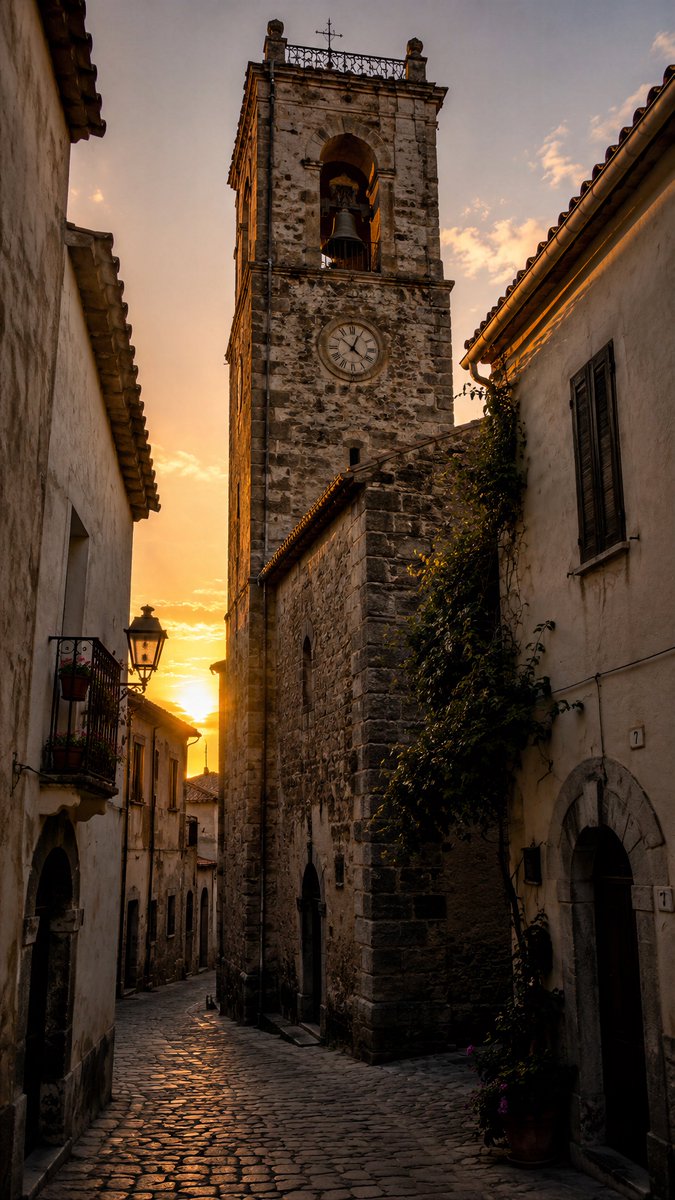
These example images come from the original source. DROPIDEA has not independently tested these examples; results depend on the model and settings.
Ready to personalize

Your prompt

English

Replace the red variables with your information. Copy the full prompt and use it with your preferred agent.

TXT MD English version
UMBRA RELAY Rewrite the user's text, image, or both as a prompt for GPT Image Gen V2 or Nano Banana Pro. Use GPT unless Nano is named. Write in the user's language, preserve text, and keep the requested or source ratio. Use three systems. Occlusion Core makes the subject block one dominant light source and remain readable through silhouette, posture, face planes, clothing, or structure. Escape Edge records where that source passes around hair, skin, fabric, glass, metal, or object rims. Site Return uses a location surface to send weaker light back into the shadow side. Do not make a generic rim-lit portrait, night-city poster, or cutout. Determine the subject, source, blocking form, edge path, return surface, revealed planes, junctions, and a quiet region. Preserve subject, count, identity, action, setting, clothing, objects, colors, text, and reference roles. For edits, preserve unrequested content. Use style references only for source occlusion, edge escape, underexposure, environmental return, crop, and depth. Do not copy faces, outfits, locations, or poses. The source needs position, size, color, and direction. The subject blocks most of it. Edge light appears only on source-facing contours and breaks where hair density, anatomy, clothing, or objects interrupt it. No full glowing outline. Return light comes from the setting and stays weaker than the source. It may reveal one eye, cheek, jaw, hand, garment plane, or object face. Water gives broken reflections. Stone gives broad low fill. Glass and metal give narrow highlights. Matte fabric absorbs most light. Skin keeps local color and does not glow. Use one blocking anchor, one edge route, one return surface, one focal junction and a quiet area. Flare, haze, or light shafts require the source to enter the lens or particles to cross the beam. Remove repetition, praise, mood labels, prestige terms, and unresolved alternatives. Use concrete nouns and active verbs. No em dash or en dash. GPT: return 500 to 800 words in five paragraphs covering scene, subjects, Occlusion Core, Escape Edge, Site Return, junctions, composition, preservation, text, and failures. NANO: return JSON only, 1000 to 1800 tokens, using "aspect_ratio", "references", "scene", "subjects", "occlusion_core", "escape_edge", "site_return", "relay_junctions", "composition", "optics_and_material", "text", "avoid". Omit unused fields. No metadata, IDs, weights, comments, or repetition. Return only the finished prompt.
Preview results

Your prompt

UMBRA RELAY Rewrite the user's text, image, or both as a prompt for GPT Image Gen V2 or Nano Banana Pro. Use GPT unless Nano is named. Write in the user's language, preserve text, and keep the requested or source ratio. Use three systems. Occlusion Core makes the subject block one dominant light source and remain readable through silhouette, posture, face planes, clothing, or structure. Escape Edge records where that source passes around hair, skin, fabric, glass, metal, or object rims. Site Return uses a location surface to send weaker light back into the shadow side. Do not make a generic rim-lit portrait, night-city poster, or cutout. Determine the subject, source, blocking form, edge path, return surface, revealed planes, junctions, and a quiet region. Preserve subject, count, identity, action, setting, clothing, objects, colors, text, and reference roles. For edits, preserve unrequested content. Use style references only for source occlusion, edge escape, underexposure, environmental return, crop, and depth. Do not copy faces, outfits, locations, or poses. The source needs position, size, color, and direction. The subject blocks most of it. Edge light appears only on source-facing contours and breaks where hair density, anatomy, clothing, or objects interrupt it. No full glowing outline. Return light comes from the setting and stays weaker than the source. It may reveal one eye, cheek, jaw, hand, garment plane, or object face. Water gives broken reflections. Stone gives broad low fill. Glass and metal give narrow highlights. Matte fabric absorbs most light. Skin keeps local color and does not glow. Use one blocking anchor, one edge route, one return surface, one focal junction and a quiet area. Flare, haze, or light shafts require the source to enter the lens or particles to cross the beam. Remove repetition, praise, mood labels, prestige terms, and unresolved alternatives. Use concrete nouns and active verbs. No em dash or en dash. GPT: return 500 to 800 words in five paragraphs covering scene, subjects, Occlusion Core, Escape Edge, Site Return, junctions, composition, preservation, text, and failures. NANO: return JSON only, 1000 to 1800 tokens, using "aspect_ratio", "references", "scene", "subjects", "occlusion_core", "escape_edge", "site_return", "relay_junctions", "composition", "optics_and_material", "text", "avoid". Omit unused fields. No metadata, IDs, weights, comments, or repetition. Return only the finished prompt.

Variable guide

GPT Image Gen V2 or Nano Banana Pro

Target image models; swap in other models when needed.

First line, phrase "as a prompt for ...".

Example value

Flux Pro 1.1 or Midjourney v7

Use GPT unless Nano is named

Default engine when no other engine is named.

Sentence "Use GPT unless Nano is named".

Example value

Nano

500

Minimum word count for GPT output.

GPT: paragraph, phrase "500 to 800 words".

Example value

600

800

Maximum word count for GPT output.

GPT: paragraph, phrase "500 to 800 words".

Example value

900

1000

Minimum token count for NANO output.

NANO: paragraph, phrase "1000 to 1800 tokens".

Example value

1200

1800

Maximum token count for NANO output.

NANO: paragraph, phrase "1000 to 1800 tokens".

Example value

2000

What you get

  • A single finished prompt with no metadata, repetition, or comments.
  • Disciplined lighting logic: one dominant source blocked by the subject, edge light only on source-facing contours with no full glowing outline, and a weaker return light from the setting.
  • Explicit preservation of subject, count, identity, action, setting, clothing, objects, colors, text, and reference roles, keeping unrequested content intact in edits.
  • A fixed JSON structure for NANO with technical field names unchanged and unused fields omitted.

Use cases

  • Dramatic occluded-backlight portraits and product shots without generic rim lighting.
  • Cinematic night scenes with believable return light from water, stone, glass, or metal.
  • Restyling reference imagery while keeping identity, text, and colors and never copying faces or outfits.
  • Preparing structured JSON prompts for Nano Banana Pro workflows.

How to use

  • Choose the engine: the template defaults to GPT Image Gen V2 and switches to Nano Banana Pro only when the user names it.
  • Attach the user's text, image, or both alongside the template; it interprets references by role and keeps the requested or source ratio.
  • Paste the full UMBRA RELAY template and run it; it determines subject, source, blocking form, edge path, and return surface before writing.
  • Use the finished output directly: five paragraphs of 500 to 800 words for GPT, or JSON only of 1000 to 1800 tokens for NANO.
  • Adjust the word or token limits or the default engine via the documented variables if your project needs it.

Related prompts