Skip to content
ImagesFree

Editorial Hybrid: Realistic Photo to Storybook Illustration

Transform any uploaded food or object photo into a surreal editorial artwork blending photorealistic imagery with delicate storybook illustration via an organic visual transition.

OpenAI

Source previews

These example images come from the original source. DROPIDEA has not independently tested these examples; results depend on the model and settings.

Ready to personalize

Your prompt

English

Replace the red variables with your information. Copy the full prompt and use it with your preferred agent.

TXT MD English version
Use the uploaded image as the primary reference and transform it into a vertical 3:4 surreal editorial artwork that seamlessly combines photorealistic food/object photography with a whimsical hand-drawn storybook illustration. Preserve the main subject, composition, colors, textures, and recognizable details of the original photograph. Keep the upper portion highly photorealistic and naturally lit, with realistic materials, shadows, reflections, depth of field, and authentic photographic detail. Create a seamless visual transition from the photographed subject into an imaginative illustrated world below. Identify the most visually meaningful element in the photograph—such as a liquid, food ingredient, object, pattern, trail, shadow, or texture—and organically extend it downward into the illustration, transforming it into a river, pathway, landscape, trail, or other creative scene. The illustrated section should appear on a warm off-white textured paper background, using delicate black ink/pencil linework, subtle watercolor and gouache textures, imperfect handmade details, soft muted colors, and a charming vintage storybook aesthetic. Add small environmental details appropriate to the subject, such as tiny people, plants, rocks, objects, or landscape elements. Include a short handwritten phrase that naturally relates to the concept and the transformation, positioned subtly within the illustrated area. The typography should look genuinely handwritten, imperfect, minimal, and artistic. The photograph and illustration must feel like one continuous visual story, not two separate images. Avoid a hard horizontal split, borders, frames, arrows, labels, or obvious digital compositing. The photographed element should physically appear to flow, fall, extend, or transform into the illustrated world. Aesthetic: poetic, whimsical, clever, minimalist, premium editorial magazine art, surreal but believable, tactile paper texture, natural imperfections, sophisticated visual storytelling. Composition: vertical 3:4, balanced negative space, strong focal point, seamless transition, high detail, realistic photography + delicate hand-drawn illustration, no unnecessary elements.
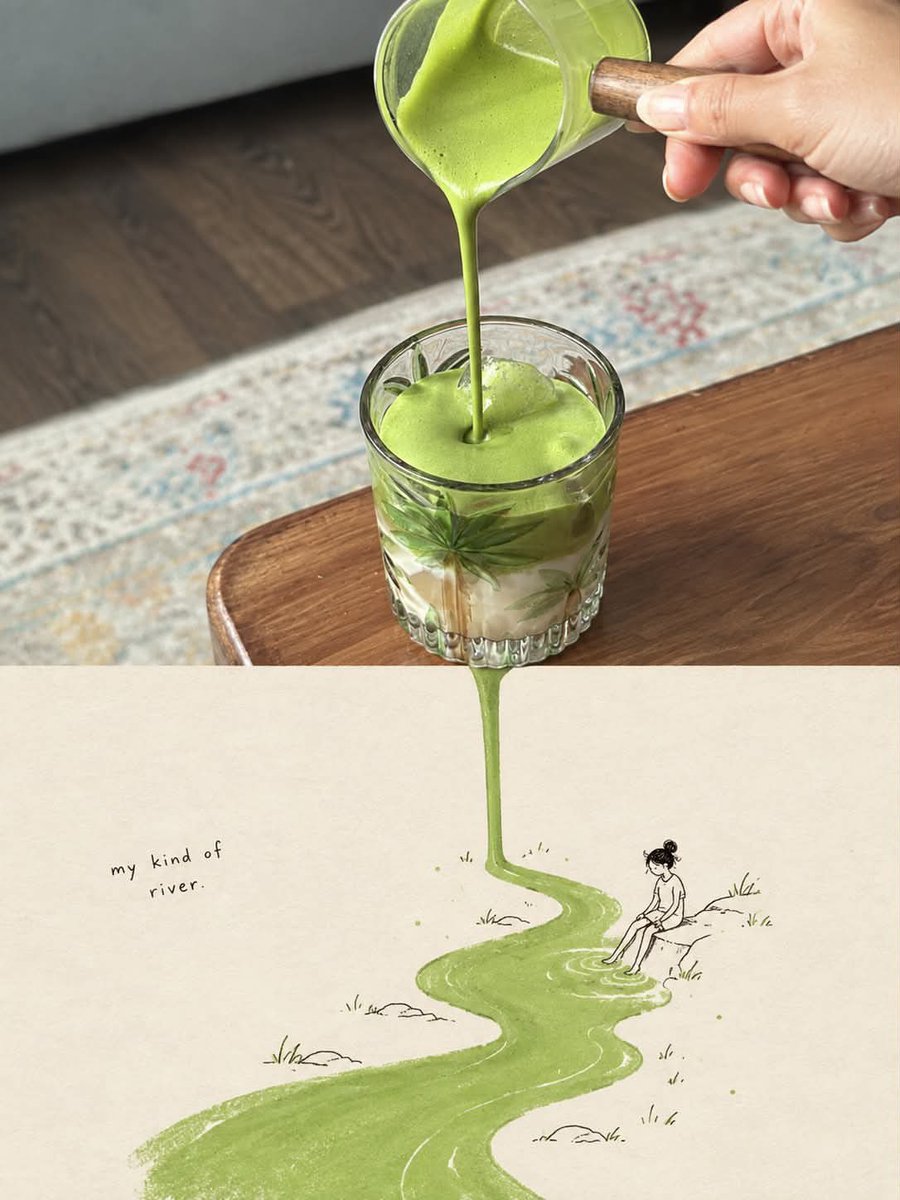
Preview results

Your prompt

Use the uploaded image as the primary reference and transform it into a vertical 3:4 surreal editorial artwork that seamlessly combines photorealistic food/object photography with a whimsical hand-drawn storybook illustration. Preserve the main subject, composition, colors, textures, and recognizable details of the original photograph. Keep the upper portion highly photorealistic and naturally lit, with realistic materials, shadows, reflections, depth of field, and authentic photographic detail. Create a seamless visual transition from the photographed subject into an imaginative illustrated world below. Identify the most visually meaningful element in the photograph—such as a liquid, food ingredient, object, pattern, trail, shadow, or texture—and organically extend it downward into the illustration, transforming it into a river, pathway, landscape, trail, or other creative scene. The illustrated section should appear on a warm off-white textured paper background, using delicate black ink/pencil linework, subtle watercolor and gouache textures, imperfect handmade details, soft muted colors, and a charming vintage storybook aesthetic. Add small environmental details appropriate to the subject, such as tiny people, plants, rocks, objects, or landscape elements. Include a short handwritten phrase that naturally relates to the concept and the transformation, positioned subtly within the illustrated area. The typography should look genuinely handwritten, imperfect, minimal, and artistic. The photograph and illustration must feel like one continuous visual story, not two separate images. Avoid a hard horizontal split, borders, frames, arrows, labels, or obvious digital compositing. The photographed element should physically appear to flow, fall, extend, or transform into the illustrated world. Aesthetic: poetic, whimsical, clever, minimalist, premium editorial magazine art, surreal but believable, tactile paper texture, natural imperfections, sophisticated visual storytelling. Composition: vertical 3:4, balanced negative space, strong focal point, seamless transition, high detail, realistic photography + delicate hand-drawn illustration, no unnecessary elements.

What you get

  • A 3:4 vertical editorial artwork blending realistic photography and hand-drawn art.
  • A seamless fluid transition turning elements like liquids or shadows into miniature landscapes.
  • Rich paper textures, subtle watercolor accents, and authentic artistic handwritten typography.

Use cases

  • Creative food and beverage marketing campaigns.
  • Editorial magazine covers and conceptual feature spreads.
  • Art prints and creative posters for restaurants, cafes, and packaging concepts.

How to use

  • Upload a clear reference photograph of food, an object, or a product.
  • Copy and paste the entire prompt into the image generation tool supporting image-to-image prompts.
  • Ensure the aspect ratio is set to vertical 3:4 for optimal editorial layout balance.
  • Generate the image and inspect the seamless organic bridge connecting the photo to the illustration.

Related prompts