Skip to content
ImagesFree

Four-Shot CCTV Sequence at a Japanese Love Hotel

A prompt for one continuous 15-second 4:3 video presented as four separate raw analog CCTV recordings from the same Japanese love hotel on the same night. Four reference images define each shot's camera, composition, characters, clothing, and handbag. Locked cameras, hard cuts only, and strict restrictions on identity, geometry, and on-screen text.

Image generation

Source previews

These example images come from the original source. DROPIDEA has not independently tested these examples; results depend on the model and settings.

Ready to personalize

Your prompt

English

Replace the red variables with your information. Copy the full prompt and use it with your preferred agent.

TXT MD English version
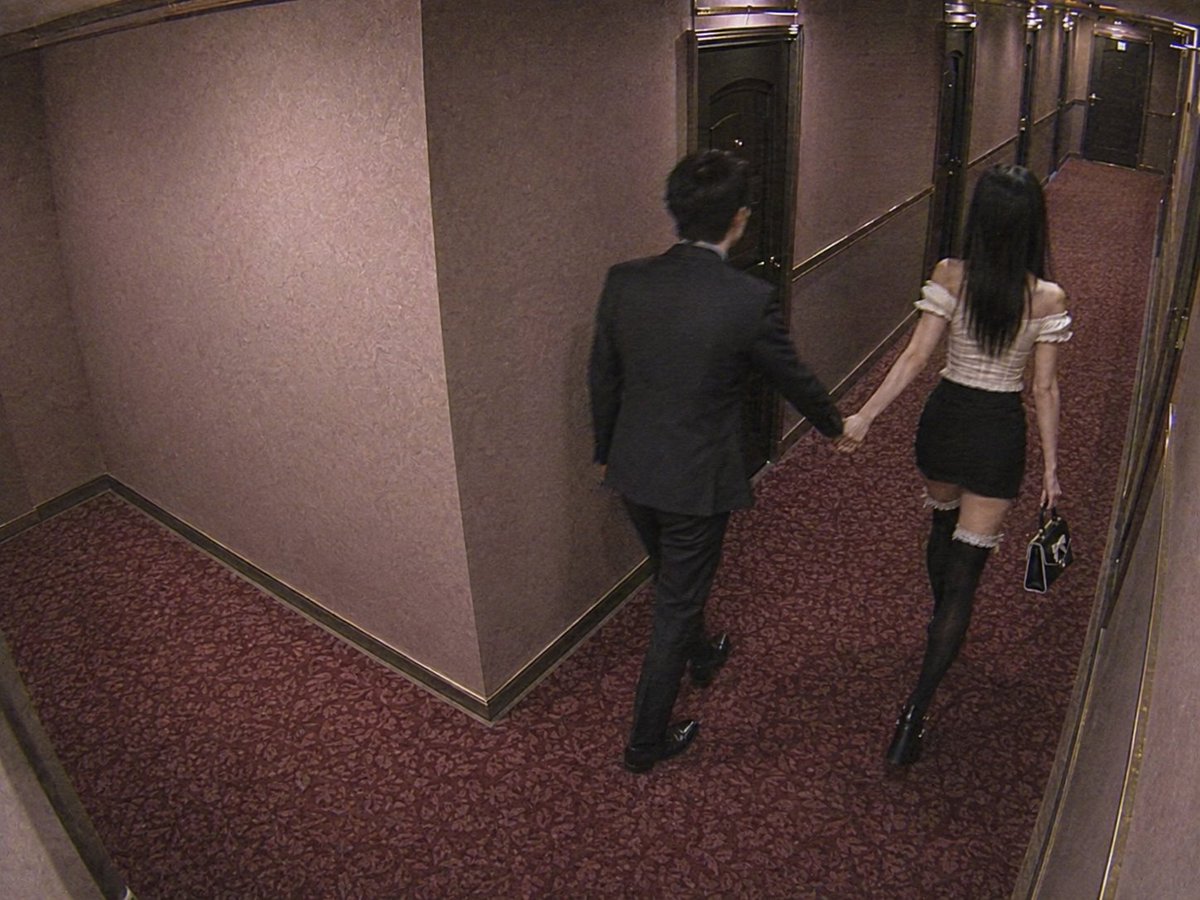
The four reference images used for the video. I generated the whole sequence in a single pass with Seedance 2.0 on Krea AI. It followed the four-shot CCTV structure better than I expected, although the camera switches and time jumps still needed some cleanup. That one generation wiped out the rest of my Krea credits, so I had ChatGPT on the web finish the MP4 with timestamps and signal glitches. So... where are you all using Seedance without going broke? Full prompt below ↓ Create one continuous 15-second, 4:3 landscape video presented as four separate raw analog CCTV recordings from the same Japanese love hotel on the same night. Treat [Image 1], [Image 2], [Image 3], and [Image 4] as a chronological surveillance storyboard. Each image is the sole authority for the camera position, lens distortion, room geometry, lighting, composition, character placement, clothing, hairstyle, body proportions, handbag, and initial physical state of its assigned shot. The four images are separate recorded shots. Do not morph, blend, interpolate, or transform one location into another. GLOBAL CAMERA AND EDITING RULES Every shot comes from a different fixed ceiling-corner security camera, except Shots 3 and 4, which use the same fixed elevator camera at different moments. Every camera remains completely locked. No pan, tilt, zoom, tracking, reframing, handheld movement, or cinematic camera motion. All scene changes are instantaneous direct hard cuts. No crossfades, dissolves, wipes, animated transitions, camera travel through doorways, or architectural transformation. The same adult man and adult woman appear throughout. Preserve their exact clothing, height relationship, hair, body proportions, and handbag from the references. SHOT 1 — 0 TO 4 SECONDS — USE [Image 1] Begin directly from the exact corridor composition shown in [Image 1]. The couple continue walking away from the fixed camera in the existing direction. The woman remains slightly ahead on the right and gently leads the man by the hand. They take only two or three natural walking steps. Her long hair and handbag move slightly with her walking. The man follows at the same pace. They do not turn, stop, look at the camera, or reach another location during this shot. At exactly the end of this shot, make an instantaneous hard cut. SHOT 2 — 4 TO 7 SECONDS — USE [Image 2] Cut directly to the exact elevator-lobby camera position, framing, and composition shown in [Image 2]. The couple stand outside the closed elevator doors in the same left-right arrangement. They remain close together and continue holding hands. Only subtle natural waiting motion: slight breathing, a small shift of body weight, and minimal movement of the woman’s hair and handbag. The elevator doors remain closed throughout this shot. The couple do not turn toward the camera and do not begin walking. At the end of this shot, make an instantaneous hard cut to the camera inside the elevator. SHOT 3 — 7 TO 11 SECONDS — USE [Image 3] Cut directly to the exact fixed elevator-interior CCTV view shown in [Image 3]. Begin with the elevator doors partially open and the couple still completely outside the threshold, exactly as shown in [Image 3]. The elevator doors continue opening to their full width at a normal mechanical speed. The man enters first from the left, and the woman follows from the right while carrying her handbag in her right hand. They take only one or two natural steps into the elevator. Their hands may remain joined. Both people finish just inside the elevator with their arms lowered. No embrace, no raised arms, no kiss, and no turning toward the camera in this shot. At the end of this shot, make a direct jump cut to a slightly later moment recorded by the same elevator camera. SHOT 4 — 11 TO 15 SECONDS — USE [Image 4] Cut directly to the exact fixed elevator composition and later physical state shown in [Image 4]. The elevator doors are now closed. The man has his back toward the camera. The woman already has her arms around his shoulders exactly as shown in [Image 4]. Preserve the handbag’s visible position and do not create extra arms, hands, fingers, straps, or bags. Only minimal natural motion: slight breathing, a very small body sway, and subtle movement of the woman’s hair. Do not develop the action further. No kiss and no additional intimate action. During only the final fraction of a second, create one very brief analog signal tear, then cut immediately to a completely black frame. FINAL RESTRICTIONS No split screen, no collage, no four-panel layout, and no simultaneous display of the reference images. No duplicated people, no extra people, no identity changes, no clothing changes, no disappearing handbag, and no altered room geometry. Do not introduce readable captions, subtitles, logos, camera labels, dates, or timestamp text.
Preview results

Your prompt

The four reference images used for the video. I generated the whole sequence in a single pass with Seedance 2.0 on Krea AI. It followed the four-shot CCTV structure better than I expected, although the camera switches and time jumps still needed some cleanup. That one generation wiped out the rest of my Krea credits, so I had ChatGPT on the web finish the MP4 with timestamps and signal glitches. So... where are you all using Seedance without going broke? Full prompt below ↓ Create one continuous 15-second, 4:3 landscape video presented as four separate raw analog CCTV recordings from the same Japanese love hotel on the same night. Treat [Image 1], [Image 2], [Image 3], and [Image 4] as a chronological surveillance storyboard. Each image is the sole authority for the camera position, lens distortion, room geometry, lighting, composition, character placement, clothing, hairstyle, body proportions, handbag, and initial physical state of its assigned shot. The four images are separate recorded shots. Do not morph, blend, interpolate, or transform one location into another. GLOBAL CAMERA AND EDITING RULES Every shot comes from a different fixed ceiling-corner security camera, except Shots 3 and 4, which use the same fixed elevator camera at different moments. Every camera remains completely locked. No pan, tilt, zoom, tracking, reframing, handheld movement, or cinematic camera motion. All scene changes are instantaneous direct hard cuts. No crossfades, dissolves, wipes, animated transitions, camera travel through doorways, or architectural transformation. The same adult man and adult woman appear throughout. Preserve their exact clothing, height relationship, hair, body proportions, and handbag from the references. SHOT 1 — 0 TO 4 SECONDS — USE [Image 1] Begin directly from the exact corridor composition shown in [Image 1]. The couple continue walking away from the fixed camera in the existing direction. The woman remains slightly ahead on the right and gently leads the man by the hand. They take only two or three natural walking steps. Her long hair and handbag move slightly with her walking. The man follows at the same pace. They do not turn, stop, look at the camera, or reach another location during this shot. At exactly the end of this shot, make an instantaneous hard cut. SHOT 2 — 4 TO 7 SECONDS — USE [Image 2] Cut directly to the exact elevator-lobby camera position, framing, and composition shown in [Image 2]. The couple stand outside the closed elevator doors in the same left-right arrangement. They remain close together and continue holding hands. Only subtle natural waiting motion: slight breathing, a small shift of body weight, and minimal movement of the woman’s hair and handbag. The elevator doors remain closed throughout this shot. The couple do not turn toward the camera and do not begin walking. At the end of this shot, make an instantaneous hard cut to the camera inside the elevator. SHOT 3 — 7 TO 11 SECONDS — USE [Image 3] Cut directly to the exact fixed elevator-interior CCTV view shown in [Image 3]. Begin with the elevator doors partially open and the couple still completely outside the threshold, exactly as shown in [Image 3]. The elevator doors continue opening to their full width at a normal mechanical speed. The man enters first from the left, and the woman follows from the right while carrying her handbag in her right hand. They take only one or two natural steps into the elevator. Their hands may remain joined. Both people finish just inside the elevator with their arms lowered. No embrace, no raised arms, no kiss, and no turning toward the camera in this shot. At the end of this shot, make a direct jump cut to a slightly later moment recorded by the same elevator camera. SHOT 4 — 11 TO 15 SECONDS — USE [Image 4] Cut directly to the exact fixed elevator composition and later physical state shown in [Image 4]. The elevator doors are now closed. The man has his back toward the camera. The woman already has her arms around his shoulders exactly as shown in [Image 4]. Preserve the handbag’s visible position and do not create extra arms, hands, fingers, straps, or bags. Only minimal natural motion: slight breathing, a very small body sway, and subtle movement of the woman’s hair. Do not develop the action further. No kiss and no additional intimate action. During only the final fraction of a second, create one very brief analog signal tear, then cut immediately to a completely black frame. FINAL RESTRICTIONS No split screen, no collage, no four-panel layout, and no simultaneous display of the reference images. No duplicated people, no extra people, no identity changes, no clothing changes, no disappearing handbag, and no altered room geometry. Do not introduce readable captions, subtitles, logos, camera labels, dates, or timestamp text.

Variable guide

[Image 1]

First reference image (corridor shot) — must be uploaded/attached with the prompt

Storyboard line, Shot 1 heading, and first line of Shot 1 body

Example value

[Image 1] → uploaded reference image #1

[Image 2]

Second reference image (elevator lobby) — must be uploaded/attached with the prompt

Storyboard line, Shot 2 heading, and first line of Shot 2 body

Example value

[Image 2] → uploaded reference image #2

[Image 3]

Third reference image (elevator interior, doors partially open) — must be uploaded/attached with the prompt

Storyboard line, Shot 3 heading, and first two lines of Shot 3 body

Example value

[Image 3] → uploaded reference image #3

[Image 4]

Fourth reference image (elevator interior, doors closed) — must be uploaded/attached with the prompt

Storyboard line, Shot 4 heading, and first two lines of Shot 4 body

Example value

[Image 4] → uploaded reference image #4

What you get

  • One continuous 15-second 4:3 video presented as four separate raw analog CCTV recordings
  • Shot structure: corridor (0-4s), elevator lobby (4-7s), elevator interior (7-11s), then a later elevator moment (11-15s)
  • Fully locked cameras and instantaneous hard cuts with no soft transitions
  • Consistent identity, clothing, and handbag for the couple across all four shots
  • One brief analog signal tear and a final completely black frame

Use cases

  • Realistic CCTV-style content for short storytelling
  • Found-footage-style opening scenes for short films or horror clips
  • Ads or social media posts with an analog CCTV aesthetic
  • Experimental projects testing multi-shot reference adherence of video models
  • Training material on multi-shot editing with hard cuts

How to use

  • Upload four reference images in chronological order: corridor, elevator lobby, elevator interior with doors partially open, and elevator interior with doors closed and the woman embracing the man.
  • Paste the full prompt into a video model that supports reference images, such as Seedance on Krea, and attach the four images in the correct order.
  • Set the duration to 15 seconds and the aspect ratio to 4:3 before generating, and keep the [Image 1] to [Image 4] markers unchanged.
  • After generation, review the hard cuts, locked cameras, and consistency of identity, clothing, and the handbag across shots.
  • Add timestamps and analog signal glitches in post-production if the model does not produce them automatically.

Related prompts