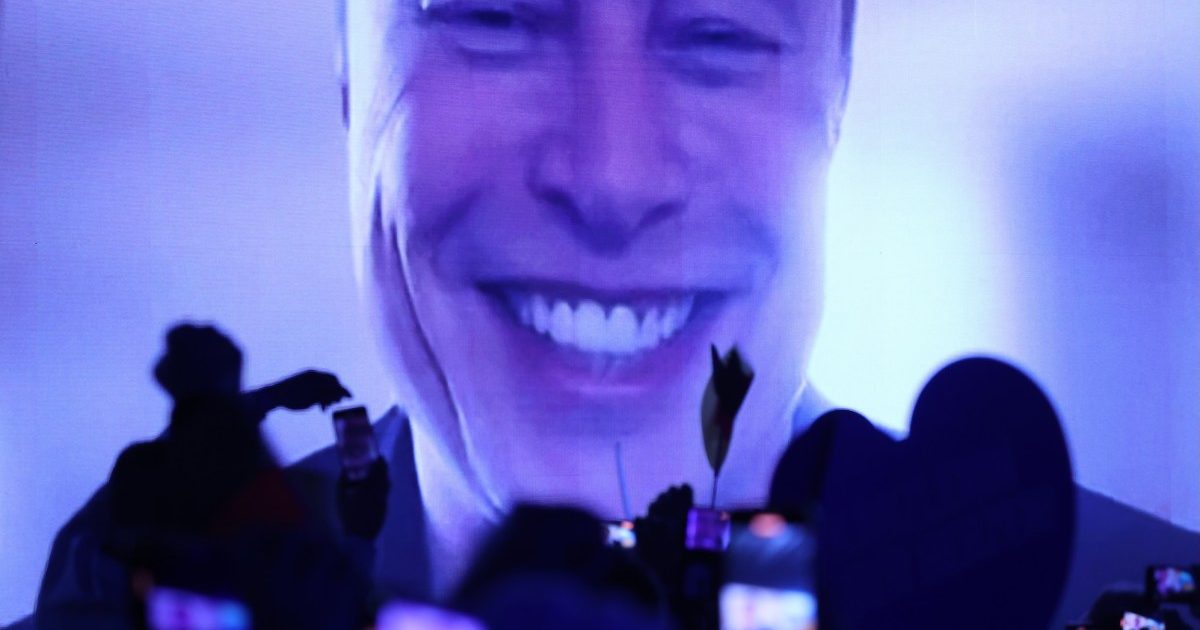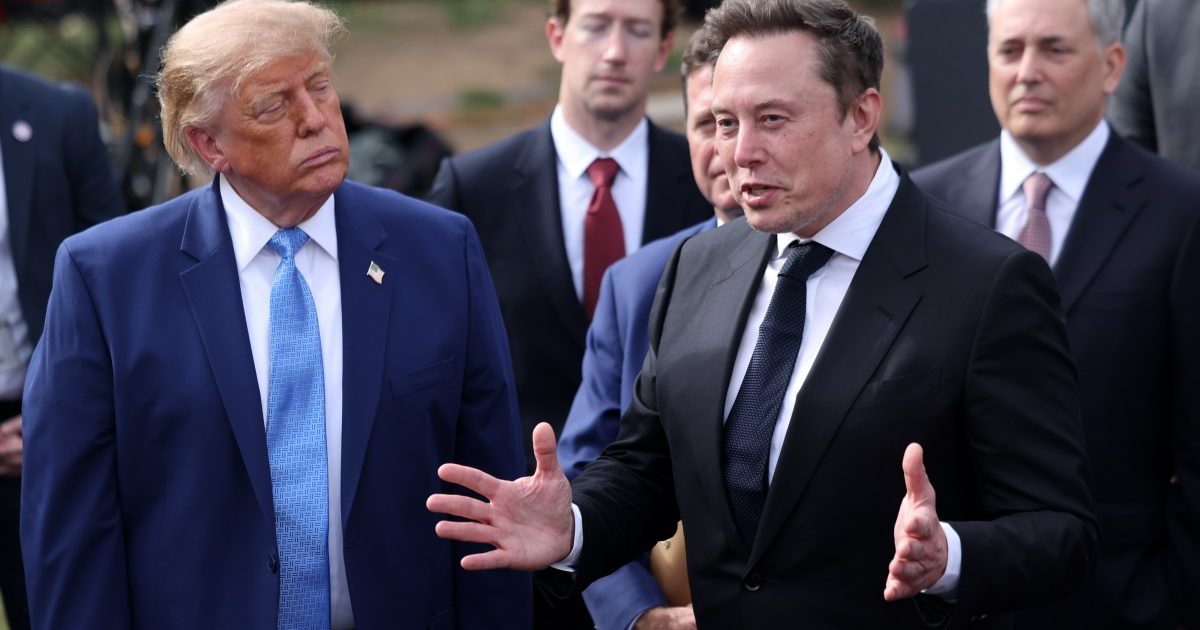
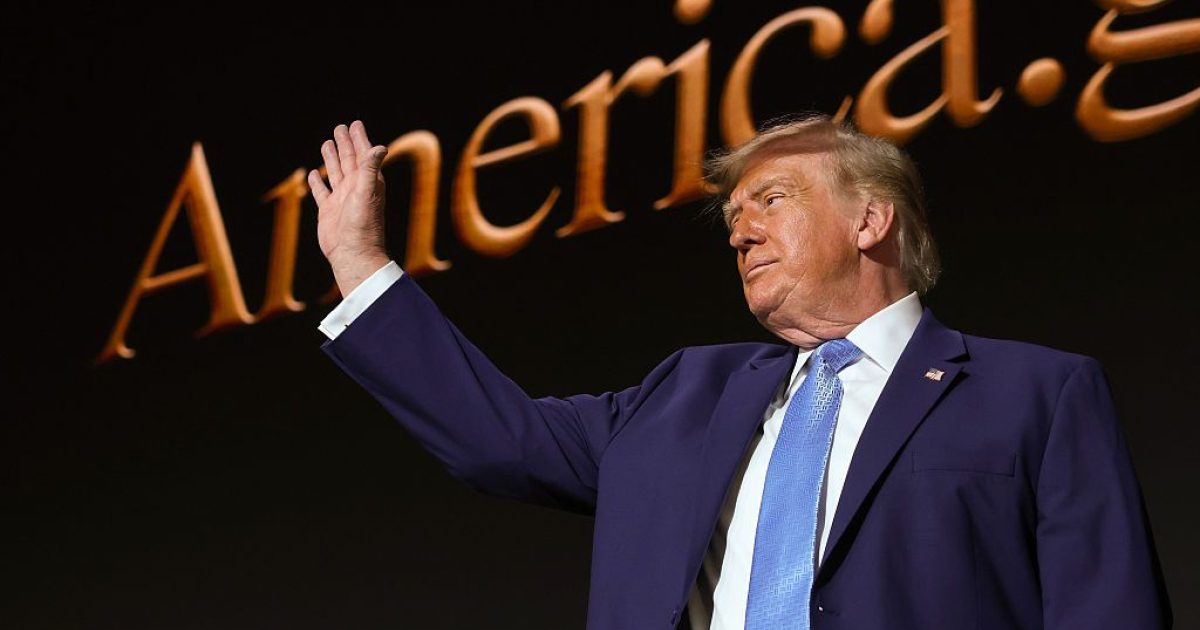
In a striking move that raised many questions, US President Donald Trump met this week with the most prominent names in the world of artificial intelligence, but the goal was not so much to launch a new tech project as it was to reshape the public perception of the technology itself. The most important message? The US government no longer calls this technology "artificial intelligence," but rather "Super Intelligence."
A Change in Name or in Substance?
Under an official executive order, spokespersons for the US government are now required to use the term "superintelligence" instead of "artificial intelligence." This shift was not entirely surprising, as Trump had previously hinted at it repeatedly, but it has now become a written decision. This was followed by the announcement of what was called the "Superintelligence Task Force" over the weekend.
Some observers believe that the essence of this move is not technical at all, but rather an attempt to re-market the idea of artificial intelligence to the public. The prevailing narrative says that "artificial intelligence is scary and will take jobs and threaten humans," whereas "superintelligence" is meant to be presented as the positive, reassuring face of the same technology.
A Thoroughly "Non-Binding" Agreement
During the meeting, a number of senior executives signed a document titled "Shared Commitment to the Responsibilities of Advanced Technologies." However, this document raised a wave of doubts about its actual value, for the following reasons:
- The agreement is entirely voluntary and not legally binding.
- Trump described it as only "morally binding," a vague characterization with no clear legal precedent.
- The document contained a spelling error in the name "United States," suggesting it was prepared hastily.
What is notable is that this direction came just a few days after sharp statements by Trump, in which he rejected any form of regulation and considered talk of the risks of artificial intelligence to be nothing more than hostile propaganda. This swift contradiction reinforced the impression that what happened was closer to a "theatrical performance" than a genuine shift in policy.
A Rare Gathering of Tech Giants
The meeting, held in the form of a luncheon, brought together an elite group of the most powerful figures in the tech sector, including:
- Mark Zuckerberg, founder of Meta.
- Jeff Bezos, founder of Amazon.
- Elon Musk.
- Dario Amodei, CEO of Anthropic.
Amodei's attendance in particular was of special interest. For just a few days before the meeting, the relationship between his company and the US administration was extremely tense. The scene changed after a private dinner invitation that brought Amodei together with Trump, followed by this official luncheon.
A Volatile Relationship with Anthropic
Despite this apparent rapprochement, the relationship between Anthropic and the US administration appears far from stable. While some officials, such as the Treasury Secretary, seem supportive of the company, the Department of Defense still views it with suspicion, and even considers it a potential threat to national security, particularly because of the conditions the company tries to impose on the use of its technologies.
This division within the corridors of government means that the picture has not fundamentally changed; there are those who want to make use of Anthropic's technologies and involve it in decisions, and there are those who strongly oppose this.
Conclusion: Symbolism Over Substance
Looking at the full picture, it seems that the agreement itself does not carry much practical weight, as it is non-binding and imposes no real restrictions. But the deeper significance lies in the fact that the administration felt such a step was necessary in the first place. The government's need to orchestrate this symbolic "display," and to gather tech leaders under one roof, reflects a growing recognition that artificial intelligence now suffers from a crisis of trust and image among the public.
The fundamental question remains: Can changing a name to "superintelligence" and signing a non-binding ethical pledge resolve a deep debate about the risks and opportunities of the technology? It is more likely that the real battle is not over terminology, but over building clear frameworks for responsibility and transparency.
✦ بقلم فريق دروب أيديا
DROPIDEA
We hope this article has added real value to you. At DROPIDEA, we always strive to deliver high-quality content that helps you grow and evolve in the digital space. Follow us for more useful articles and guides.
Tags
Admin
DROPIDEA
Latest Articles

Amazon Abandons Confidentiality Agreements Amid Wave of Objections to Data Centers
Sean Parker Reshapes Stability AI Around the Music Industry
Report: 'Grok' Chatbot Advised Trump on Venezuela

Google Launches Gemini 4 Argon, Its Most Powerful Model Specialized in Cybersecurity