ميدجورني تطالب استوديوهات هوليوود بالكشف عن استخدامها للذكاء الاصطناعي
 بقلم الأدمن
قلب الاتهام على أصحابه
في مشهد يكشف عن تعقيد العلاقة بين صناعة الترفيه وتقنيات الذكاء الاصطناعي، لجأت شركة ميدجورني للذكاء الاصطناعي إلى خطوة قانونية لافتة: مطالبة الاستوديوهات التي ترفع الدعاوى ضدها بأن تفتح هي أيضاً دفاترها الداخلية وتكشف بالتفصيل كيف تستخدم تقنية الذكاء الاصطناعي في أعمالها.
خلفية النزاع القانوني
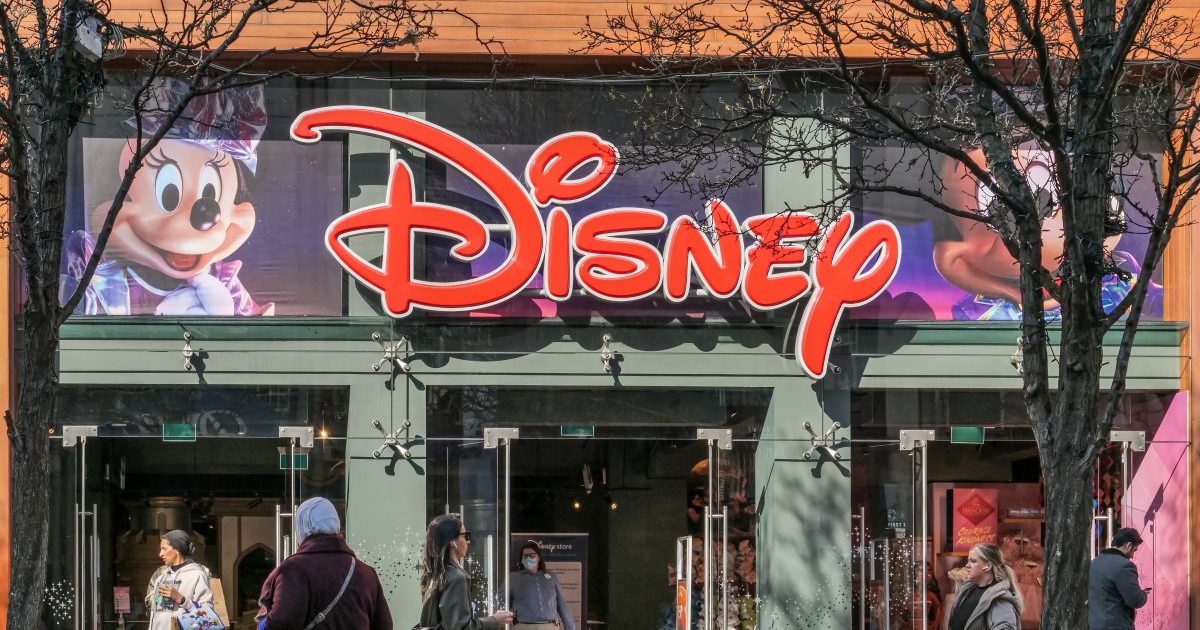
بدأت القصة حين رفعت كل من ديزني وإن بي سي يونيفرسال دعوى قضائية ضد ميدجورني العام الماضي، متهمتين إياها بانتهاك حقوق النشر لقدرة نماذجها على توليد صور لشخصيات محمية مثل بارت سيمبسون ودارث فيدر. وعلى إثر ذلك، انضمت وارنر براذرز إلى القضية برفع دعوى مماثلة.
تتمسك ميدجورني في دفاعها بمبدأ الاستخدام العادل (Fair Use)، مؤكدةً أن تدريب نماذجها على صور الشخصيات المحمية يندرج ضمن الاستثناءات القانونية المسموح بها.
المعركة حول الوثائق
انتقل محور النزاع إلى مرحلة الاكتشاف القانوني (Discovery)، وهي المرحلة التي يتبادل فيها الطرفان الوثائق والأدلة. كان القاضي قد أصدر حكماً يلزم الاستوديوهات بتقديم معلومات تتعلق باستخدامها للذكاء الاصطناعي التوليدي، لكنه قيّد ذلك بالحالات التي يؤدي فيها هذا الاستخدام إلى إنتاج مرئيات أو مقاطع مخصصة للجمهور العام مباشرةً.
غير أن ميدجورني لم تقبل بهذا القيد، وتقدمت بطعن قانوني تصفه بأنه تضييق غير عادل، مستندةً إلى أن هذا القرار يمنح الاستوديوهات حرية انتقاء الوثائق التي تخدم روايتها فحسب، مع إخفاء ما قد يُفيد الطرف المقابل في دفاعه.
حجة ميدجورني: الممارسة الداخلية دليلٌ بحد ذاتها
تذهب ميدجورني في طعنها إلى أبعد من ذلك، إذ تؤكد أن الوثائق التي ترفض الاستوديوهات الكشف عنها قد تُثبت أن هذه الاستوديوهات تمارس في الخفاء الفعل ذاته الذي تلاحق ميدجورني بسببه قضائياً.
وتضرب الشركة مثلاً توضيحياً على ذلك:
- إذا كانت الاستوديوهات تستخدم نماذج ذكاء اصطناعي مولِّدة للصور داخلياً — سواء في مرحلة تطوير القصص المصورة أو استكشاف الأفكار الإبداعية — فإن ذلك يُعدّ دليلاً على أن تنزيل المحتوى المحمي لتدريب الذكاء الاصطناعي بات عرفاً سائداً في القطاع.
- كما تطالب ميدجورني بالاطلاع على جميع الأوامر النصية (Prompts) التي استخدمتها الاستوديوهات في المنصة، بما فيها تلك التي لم تُفضِ إلى نتائج مثيرة للجدل، لا الاقتصار فقط على ما يُعزز حجة الانتهاك.
موقف الاستوديوهات
في المقابل، وصف المحامي الرئيسي للاستوديوهات، ديفيد سينغر، مطالب ميدجورني بأنها ليست أكثر من "رحلة صيد" بلا هدف محدد. وأوضح أن الاستوديوهات لا تسعى إلى وقف تقدم الذكاء الاصطناعي أو إغلاق ميدجورني، بل تطالب فقط بوضع حدٍّ لاستنساخ أعمالها السينمائية والتلفزيونية وتوزيع شخصياتها الشهيرة دون إذن مسبق.
أبعاد القضية وتداعياتها
تتجاوز هذه القضية حدود نزاع تجاري بين طرفين، لتطرح تساؤلات جوهرية يتصارع معها قطاع التكنولوجيا والترفيه على حدٍّ سواء:
- أين تقع الحدود الفاصلة بين الاستخدام العادل وانتهاك حقوق الملكية الفكرية في عصر الذكاء الاصطناعي؟
- هل يحق للشركات الكبرى توظيف تقنيات مشابهة داخلياً بينما تلاحق قضائياً من يستخدمها علناً؟
- كيف ستُحدد المحاكم معايير الشفافية حول استخدام الذكاء الاصطناعي في الصناعات الإبداعية؟
يرقب المراقبون هذه القضية عن كثب، إذ قد تُشكّل أحكامها سابقةً قانونية تُحدد مسار العلاقة بين الإبداع البشري والذكاء الاصطناعي لسنوات قادمة.
✦ بقلم فريق دروب أيديا
دروب أيديا - DROPIDEA
نأمل أن تكون هذه المقالة قد أضافت لك قيمة حقيقية. في دروب أيديا نسعى دائمًا لتقديم محتوى عربي عالي الجودة يساعدك على النمو والتطور في المجال الرقمي. تابعنا للمزيد من المقالات والشروحات المفيدة.
الوسوم
الأدمن
DROPIDEA
أحدث المقالات
لماذا لن يعالج الذكاء الاصطناعي السرطان قريباً؟
أمازون تتيح مساعدها الذكي Alexa+ مجاناً على أجهزة Fire TV
تيرا باور تراهن على تخزين الطاقة النووية لتشغيل مراكز بيانات الذكاء الاصطناعي
شركة Etched تضاعف قيمتها إلى 21 مليار دولار خلال شهر واحد