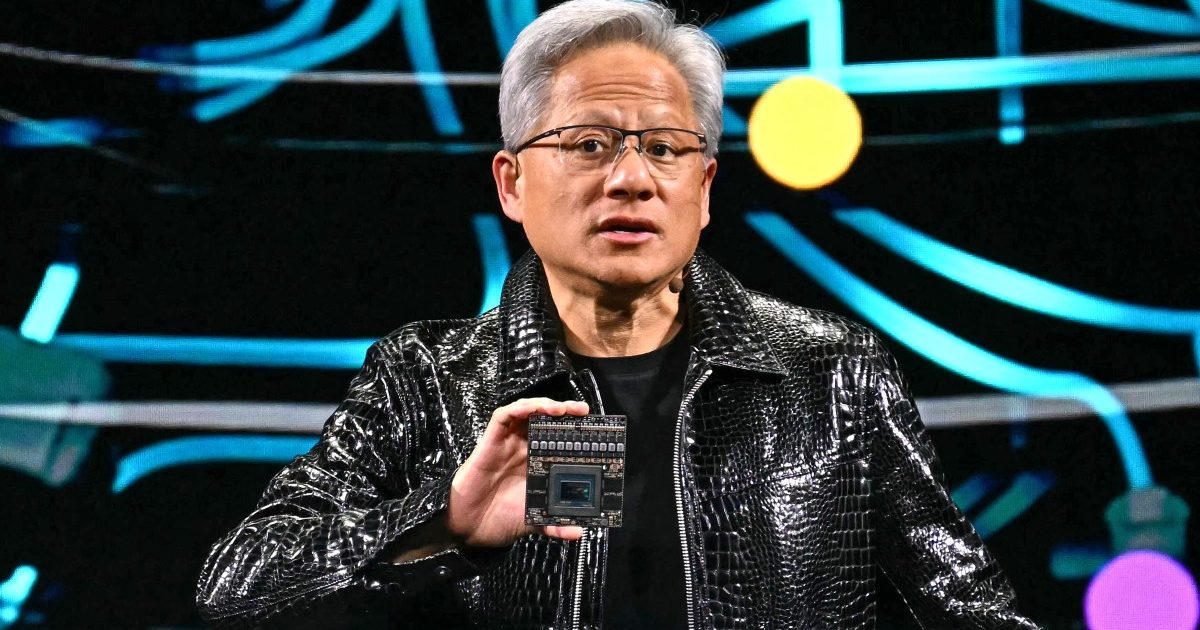
مايكروسوفت تُعدّ فريق مبيعاتها للتفوق على OpenAI وأنثروبيك
 بقلم الأدمن

تحوّل استراتيجي في مواجهة المنافسين
تكشف تقارير حديثة أن مايكروسوفت باتت تُعدّ فريق مبيعاتها بشكل ممنهج لمواجهة المنافسين الكبار في قطاع الذكاء الاصطناعي، بمن فيهم شركاؤها السابقون. وقد عقدت الشركة اجتماعاً داخلياً ضمّ كبار المسؤولين التنفيذيين، استُعرضت فيه استراتيجية العام المالي القادم، إذ جرى التركيز على تسليط الضوء على مواطن الضعف في منتجات شركات مثل OpenAI وجوجل وأنثروبيك، في مقابل الترويج لكفاءة نماذج مايكروسوفت الداخلية وجدواها الاقتصادية.
رسالة موحّدة للسوق: النظام الكامل مقابل القطع المتفرقة
صاغ جاي باريخ، نائب الرئيس التنفيذي، خلاصة الرسالة التسويقية الجديدة في عبارة بليغة، إذ قال إن الآخرين يبيعون مكونات منفصلة، بينما تقدّم مايكروسوفت منظومة متكاملة من البداية إلى النهاية. وهذا هو جوهر ما يُراد إيصاله إلى السوق خلال السنة المالية 2027.
وذهب جاكوب أندريو، نائب رئيس تنفيذي آخر، إلى أبعد من ذلك، إذ قدّم مقارنة مباشرة بين مساعد كوبايلت ونظيره كلود من أنثروبيك، مؤكداً أن الأخير يعاني داخل تطبيقات أوفيس من بطء ملحوظ في الأداء، ودقة أقل، وغياب لتكاملات الأمان الضرورية.
ليس مفاجئاً... لكنه لافت للنظر
تدريب فرق المبيعات على إبراز نقاط ضعف المنافسين ممارسة تجارية معتادة. غير أن ما يمنح هذه الخطوة طابعاً استثنائياً هو هوية هؤلاء المنافسين؛ فمايكروسوفت كانت تعتمد حتى وقت قريب على نماذج OpenAI وأنثروبيك لتشغيل منتجاتها الرئيسية. وتأتي هذه التصريحات بعد تقارير أشارت إلى أن مايكروسوفت تستبدل تدريجياً تلك النماذج الخارجية بنماذجها الخاصة في تطبيقات محورية كـWord وExcel، في إطار استراتيجية لخفض التكاليف.
تحوّل في العلاقة مع OpenAI
جمعت مايكروسوفت وOpenAI شراكة وثيقة على مدار سنوات، إذ ضخّت مايكروسوفت رأس مال ضخم وقدرات حوسبة، مقابل وصول حصري إلى نماذج وواجهات برمجة OpenAI. بيد أن الطرفين أعادا صياغة هذا الاتفاق في أبريل الماضي، فأُلغي شرط الحصرية، وبات بمقدور OpenAI بيع خدماتها لمنافسي مايكروسوفت مباشرة.
ولا شك أن هذا التغيير في طبيعة العلاقة يُفسّر جزءاً كبيراً من الموقف الجديد. فمايكروسوفت تواجه ضغوطاً من المستثمرين بسبب الإنفاق الهائل على البنية التحتية للذكاء الاصطناعي، في ظل تساؤلات متزايدة حول العوائد الفعلية. ومن هنا تبدو استراتيجية إبراز قدرة نماذجها الداخلية على المنافسة محاولةً لبثّ الثقة في خارطة طريق الشركة على المدى البعيد.
ما الذي تراهن عليه مايكروسوفت؟
تسعى مايكروسوفت من خلال هذا التحوّل إلى تحقيق عدة أهداف متشابكة:
- تقليص الاعتماد على موردين خارجيين وتخفيف أعباء التكلفة
- إثبات أن استثماراتها الضخمة في تطوير نماذج داخلية أثمرت تنافسياً
- بناء سردية سوقية واضحة تميّز عروضها عن منافسيها
- تعزيز ثقة المستثمرين في رؤيتها طويلة الأمد للذكاء الاصطناعي
خلاصة
يعكس هذا التحوّل نضجاً في استراتيجية مايكروسوفت للذكاء الاصطناعي؛ فبعد سنوات من الاعتماد على الشراكات الخارجية، تُعلن الشركة عزمها الوقوف على أرضية خاصة بها. ومن المرجح أن تتضح معالم هذا التنافس بشكل أكبر مع دخول السنة المالية 2027، خاصة مع تزايد الضغوط على جميع الشركات لإثبات أن رهانها على الذكاء الاصطناعي يُترجم إلى قيمة حقيقية وملموسة.
✦ بقلم فريق دروب أيديا
دروب أيديا - DROPIDEA
نأمل أن تكون هذه المقالة قد أضافت لك قيمة حقيقية. في دروب أيديا نسعى دائمًا لتقديم محتوى عربي عالي الجودة يساعدك على النمو والتطور في المجال الرقمي. تابعنا للمزيد من المقالات والشروحات المفيدة.
الوسوم
الأدمن
DROPIDEA
أحدث المقالات
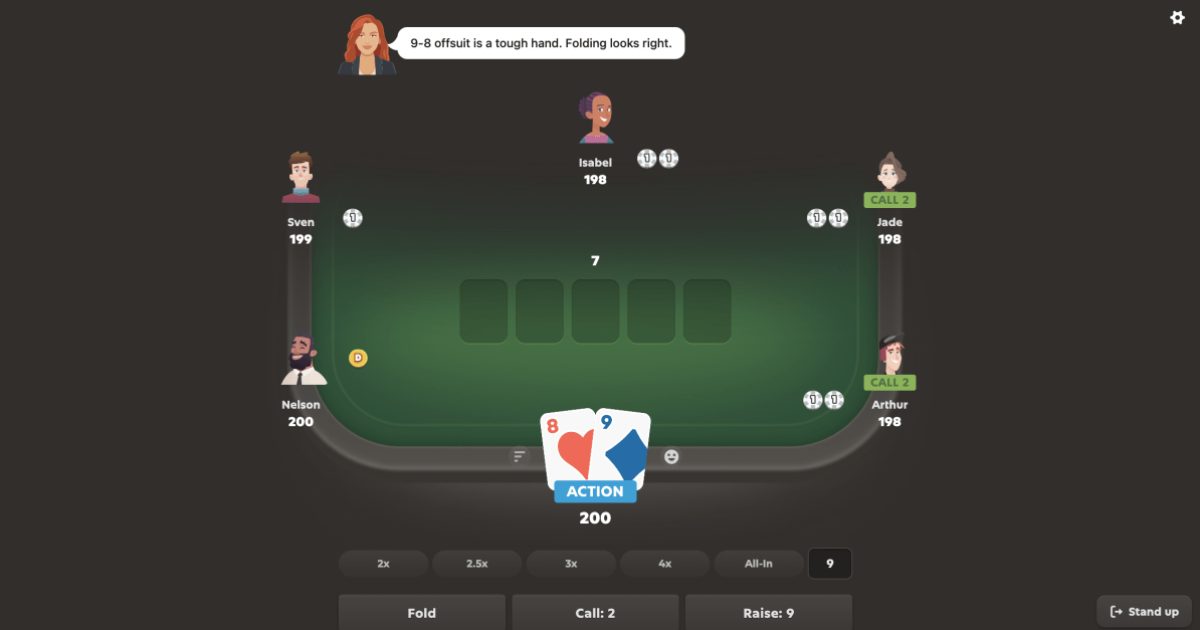
منصة الشطرنج الأشهر تدخل عالم البوكر بمساعدة الذكاء الاصطناعي

حاكم تكساس يجمّد تمويل كاميرات المراقبة الذكية من Flock
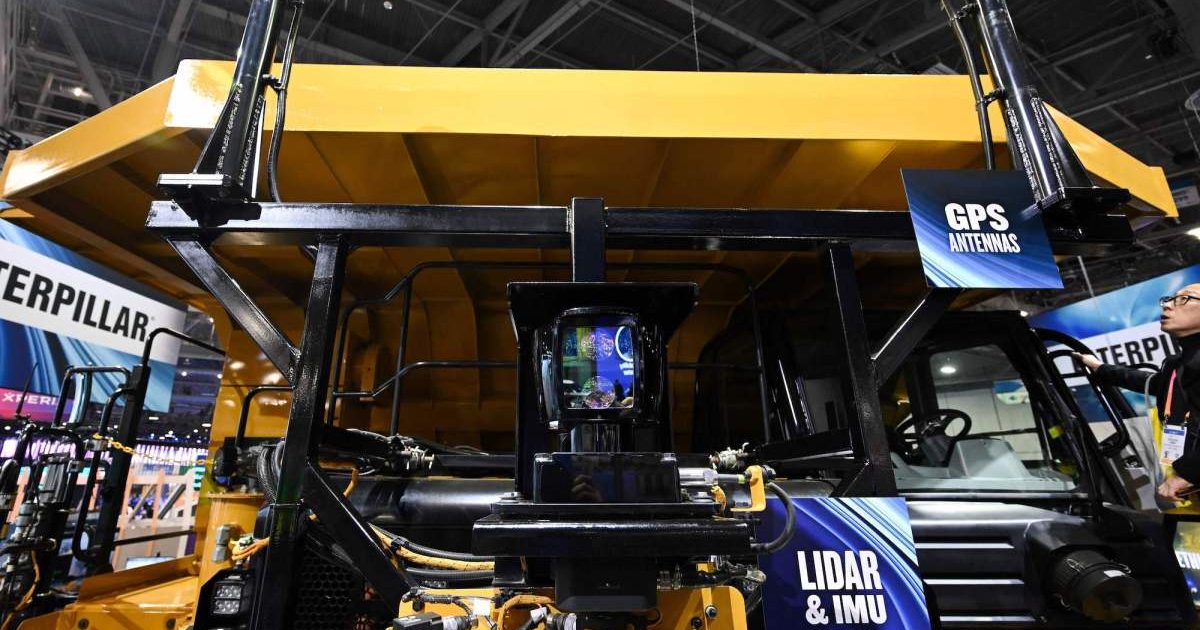
كاتربيلر توظّف خبرة أتمتة المناجم في نشر الذكاء الاصطناعي

A Trail Tale: يوميات تفاعلية تنقلك إلى قلب مسار الأبالاش