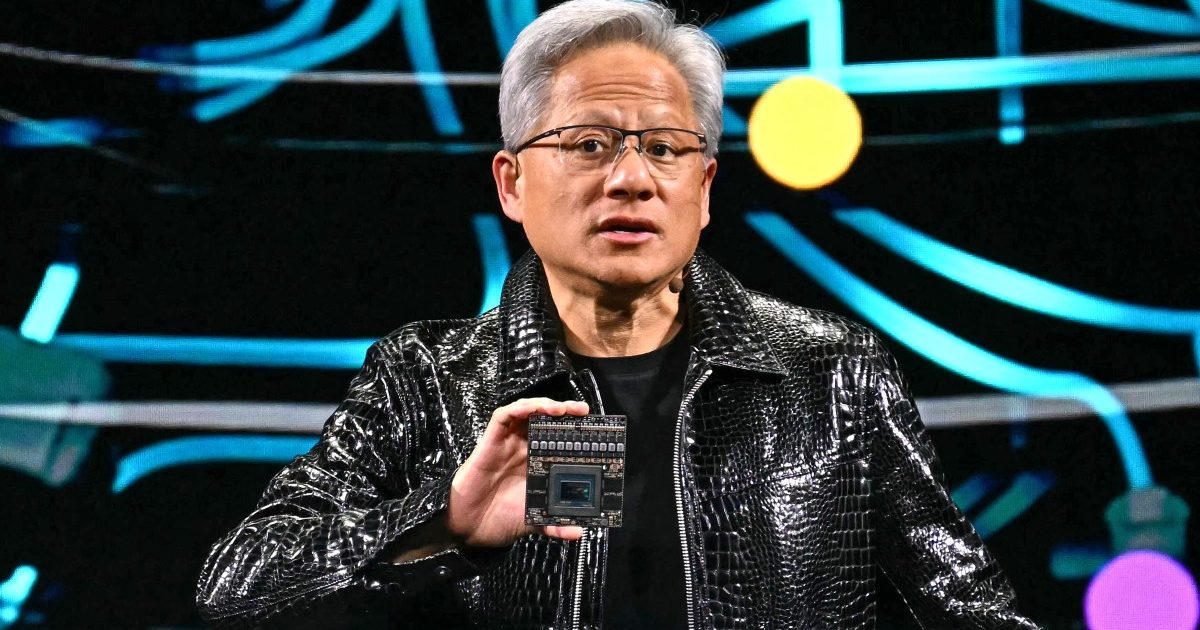
إنكلينج: أول نموذج مفتوح من مختبرات ثينكنج ماشينز
 بقلم الأدمن

رهان جديد في سوق الذكاء الاصطناعي
في خطوة تكشف عن توجّه مغاير لما اعتدنا عليه من كبرى شركات الذكاء الاصطناعي، أطلقت مختبرات ثينكنج ماشينز — الشركة الناشئة التي أسّستها ميرا موراتي، الرئيسة التقنية السابقة لشركة أوبن إيه آي — نموذجها الأول المُصمَّم داخلياً تحت مسمّى «إنكلينج». ما يميّز هذا النموذج أنه مفتوح الأوزان، أي يمكن للمطوّرين والمؤسسات تنزيله وتعديله مباشرةً دون قيود، وهو نهج يختلف جذرياً عمّا تتبعه شركات مثل أوبن إيه آي وأنثروبيك وغوغل.
المواصفات التقنية: قوة انتقائية وكفاءة في الاستهلاك
يعتمد «إنكلينج» على بنية «خليط من الخبراء» بإجمالي 975 مليار معامل، غير أنه لا يستخدم في أي مهمة بعينها سوى نحو 41 مليار معامل منها. هذا التصميم شائع في النماذج الضخمة لأنه يُقلّل التكلفة الحسابية ويرفع السرعة دون المساس بالأداء. وقد جرى تدريب النموذج على 45 تريليون وحدة نصية من بيانات متعددة الوسائط تشمل النصوص والصور والصوت والفيديو، وإن كانت مخرجاته في المرحلة الراهنة تقتصر على النصوص والشيفرة البرمجية والبيانات المنظّمة.
ومن أبرز ما يدّعيه صانعو النموذج أنه يستهلك ثلث عدد الوحدات النصية التي يحتاجها نموذج نيموترون 3 ألترا من إنفيديا للوصول إلى مستوى مماثل في أداء مهام البرمجة، وهو ما يُمثّل ميزة عملية واضحة في بيئات الإنتاج.
ليس الأقوى، لكنه الأكثر مرونة
لا تدّعي الشركة أن «إنكلينج» يتصدّر قوائم الأداء العالمية؛ بل تُقرّ صراحةً في مدوّنتها بأنه «ليس النموذج الأشمل أداءً المتاح اليوم، سواء المفتوح أو المغلق». المراهنة هنا ليست على التفوق المطلق، بل على الأداء المتوازن والقابلية للتكيّف. يتيح النموذج للمستخدمين ضبط مستوى «جهد التفكير» ارتفاعاً وانخفاضاً بحسب ما يقتضيه الموقف — سرعةً في المهام الروتينية، وعمقاً حين تستوجب المسألة الدقّة — كما يُنبّه تلقائياً عند الشعور بعدم اليقين بدلاً من التخمين.
الجدير بالذكر أن النموذج لم يُصمَّم بوصفه منتجاً جاهزاً للاستخدام الفوري، بل كنقطة انطلاق يمكن للمؤسسات صقلها وتخصيصها عبر منصة «تينكر» التي طوّرتها الشركة لهذا الغرض. وهذا يعني بالطبع أن المسؤولية عن سلامة التعديلات وملاءمتها تقع على عاتق المؤسسة المستخدمة لا على الشركة المطوِّرة.
صعود التيار المعارض للنماذج المغلقة
تتزامن هذه الإطلاقة مع تصاعد الأصوات الناقدة لنموذج الذكاء الاصطناعي المركزي المغلق. فقد حذّر ساتيا نادلا، الرئيس التنفيذي لمايكروسوفت — التي استثمرت مليارات الدولارات في أوبن إيه آي وأنثروبيك — من أن المؤسسات التي تعتمد على النماذج المغلقة تدفع ثمناً مضاعفاً: رسوم اشتراك مباشرة، إضافةً إلى تسليم معرفتها التشغيلية المضمّنة في التعليمات والتصحيحات لصانعي النموذج ليدمجوها في إصداراتهم المستقبلية.
وفي السياق ذاته، توقّع كليم ديلانغ، الرئيس التنفيذي لمنصة هاغينغ فيس، أن تتراجع النماذج الحدّية إلى دور بيئات الاختبار والمهام عالية القيمة، في حين ستهيمن النماذج المفتوحة والخاصة على بيئات الإنتاج الفعلية — وهو التوجّه الذي تبنيه ثينكنج ماشينز بالضبط.
دليل عملي: تجربة بريدجووتر
أقوى الحجج لصالح هذا النهج جاءت من مشروع مشترك مع صندوق بريدجووتر أسوشيتس، أكبر صناديق التحوّط في العالم. أخذ الباحثون من الطرفين نموذجاً مفتوح المصدر وأعادوا تدريبه على المعرفة المالية الخاصة ببريدجووتر، فحقّق النموذج الناتج درجة 84.7% في اختبارات الاستدلال المالي، متجاوزاً النماذج الاحترافية المغلقة، وبتكلفة تشغيلية تبلغ نحو سُبع عشرة تكلفتها — وإن كانت هذه النتائج صادرة عن تقييم داخلي لا مستقل.
تساؤلات مشروعة حول التمويل والمستقبل
تُفاخر ثينكنج ماشينز بأنها أنجزت ما احتاجت إليه أوبن إيه آي خمس سنوات وأنثروبيك ثلاث سنوات في تسعة أشهر فحسب. غير أن ثمة تساؤلات مشروعة تُلقي بظلالها:
- التمويل: تحدّثت تقارير عن جولة تمويلية بقيمة 50 مليار دولار كانت تتشكّل في نوفمبر الماضي، إلا أنها تعثّرت بحلول يناير، والشركة لا تُفصح عن وضعها المالي حتى الآن.
- التدريب بالاستخلاص: اعترفت الشركة بأنها اعتمدت جزئياً على مخرجات نماذج مفتوحة أخرى — منها نموذج كيمي K2.5 من موونشوت إيه آي — لتوليد بعض بيانات التدريب الأولي، وإن كانت تعد بالاكتفاء الذاتي الكامل في نموذجها القادم.
- البنية التحتية: أعلنت الشركة عن شراكة مع إنفيديا لنشر طاقة حوسبة بمقدار غيغاواط واحد، وتدريب «إنكلينج» بالكامل على أنظمة GB300 NVL72 — دون أن تُوضّح كيفية تغطية هذه التكاليف.
خلاصة: رهان على الخصوصية لا الهيمنة
ما تُقدّمه ثينكنج ماشينز ليس ادّعاءً بامتلاك النموذج الأفضل في العالم، بل طرحاً لفلسفة مختلفة: الذكاء الاصطناعي المُشكَّل بمعرفة المؤسسة نفسها يتفوق على الذكاء الاصطناعي الجاهز المُصنَّع بمعايير موحّدة. إن صحّ هذا الرهان، فإن الميزة الحقيقية ليست في حجم الإنفاق، بل في جعل الإنفاق الضخم ضرورةً لا مبرّر لها.
✦ بقلم فريق دروب أيديا
دروب أيديا - DROPIDEA
نأمل أن تكون هذه المقالة قد أضافت لك قيمة حقيقية. في دروب أيديا نسعى دائمًا لتقديم محتوى عربي عالي الجودة يساعدك على النمو والتطور في المجال الرقمي. تابعنا للمزيد من المقالات والشروحات المفيدة.
الوسوم
الأدمن
DROPIDEA
أحدث المقالات

منصة الشطرنج الأشهر تدخل عالم البوكر بمساعدة الذكاء الاصطناعي

حاكم تكساس يجمّد تمويل كاميرات المراقبة الذكية من Flock
كاتربيلر توظّف خبرة أتمتة المناجم في نشر الذكاء الاصطناعي

A Trail Tale: يوميات تفاعلية تنقلك إلى قلب مسار الأبالاش