كيف تهدد مراكز بيانات الذكاء الاصطناعي استقرار الشبكة الكهربائية؟
 بقلم الأدمن
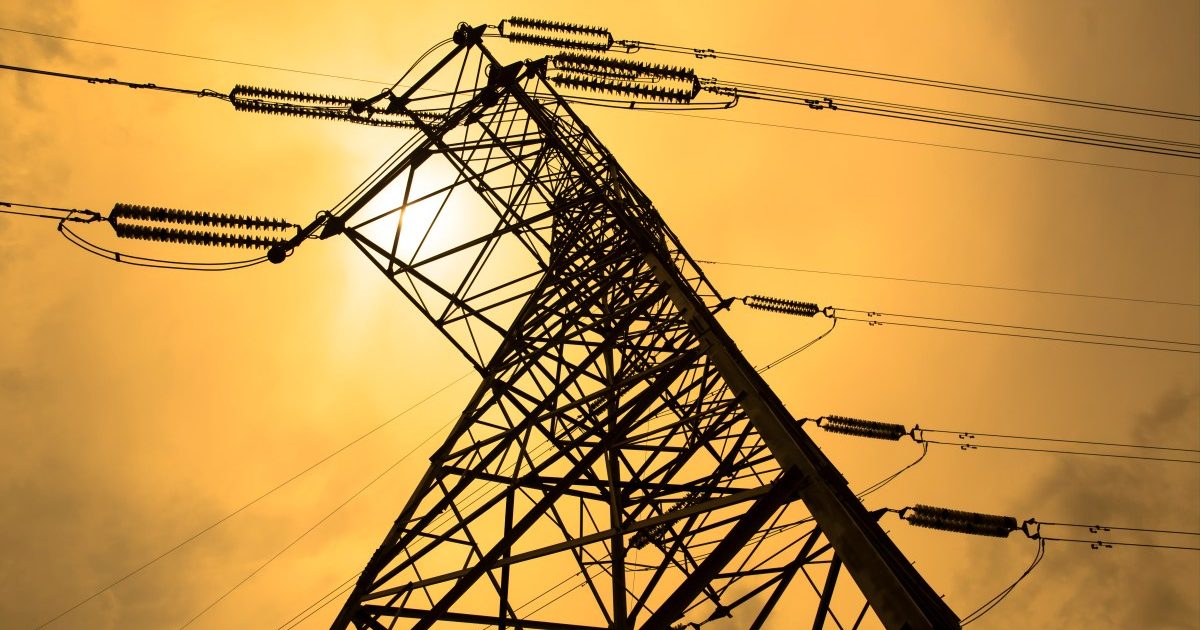
حين يُربك خط كهربائي واحد شبكةً بأكملها
في حادثة لافتة وقعت قرب العاصمة الأمريكية واشنطن، سقط خط كهربائي واحد، وهو أمر تعتاد الشبكات الكهربائية على استيعابه في ثوانٍ معدودة. غير أن ما جرى هذه المرة كان مختلفاً تماماً؛ إذ استغرق التعافي أكثر من عشر دقائق، وتسبّب في ومضات مفاجئة لمصابيح الإضاءة امتدت من شمال فيرجينيا حتى شيكاغو. السبب؟ أكثر من ثلاثة غيغاواط من الطاقة اختفت فجأة من على الشبكة في أقل من نصف دقيقة، حين تحوّلت مراكز البيانات الكبرى إلى مصادر طاقة احتياطية بصورة شبه متزامنة.
رصدت شركة Ting Labs المتخصصة في شبكات الاستشعار الإلكترونية هذه التقلبات عبر مستشعراتها المنتشرة في المنازل، وكشفت أن الجهد الكهربائي على شبكة PJM — أكبر مشغّلي الشبكات الكهربائية في الولايات المتحدة التي تخدم 67 مليون عميل — شهد ارتفاعاً حاداً وغير مألوف. وعلى الرغم من أن الحادثة لم تُفضِ إلى انقطاع كامل في التيار، فإنها كشفت عن خلل بنيوي متصاعد في العلاقة بين مراكز البيانات والبنية التحتية للطاقة.
لماذا تُشكّل مراكز البيانات تهديداً للشبكة الكهربائية؟
تعتمد الشبكات الكهربائية على توازن دقيق للغاية بين الطلب والإمداد؛ فأي اختلال — ولو بنسبة محدودة — يُفضي إلى تذبذب في مستويات الجهد. وحين اكتشفت مراكز البيانات في شمال فيرجينيا — التي تحتضن أعلى كثافة لمراكز البيانات على مستوى العالم — هذا التذبذب، استجابت تلقائياً بالتحوّل إلى مصادر الطاقة الاحتياطية خلال أجزاء من الثانية. وقد تصرّفت هذه المراكز بصورة متزامنة تقريباً، مما حوّل اختلالاً بسيطاً في الإمداد إلى انهيار مفاجئ في الطلب بلغ ذروته عند 3.49 غيغاواط.
يصف ريكاردو دي أزيفيدو، المدير التقني لشركة ON.Energy، هذا الحادث بأنه «طائر الكناري في منجم الفحم»، مشيراً إلى أن مثل هذه الأحداث باتت تتكرر بوتيرة متصاعدة. وهذا ليس المرة الأولى؛ ففي عام 2024، انفصلت 60 مركز بيانات في وقت واحد عن الشبكة ذاتها، سحبت معها 1.5 غيغاواط. أما الحادثة الأخيرة، فكانت أكبر حجماً بمرتين.
الأرقام تتحدث: مستقبل أكثر تعقيداً
قد تبدو نسبة 3% من إجمالي الطلب على الشبكة رقماً متواضعاً، لكنها كافية لإحداث اضطرابات واسعة حين تختفي دفعة واحدة. والأخطر من ذلك أن هذه النسبة في تصاعد مستمر:
- في عام 2024، شكّلت مراكز البيانات نحو 6% من إجمالي الطلب على شبكة PJM.
- بحلول عام 2040، يُتوقع أن ترتفع هذه النسبة إلى 24%، وفقاً لتقديرات Synapse Energy Economics.
- الطلب المتزايد على حوسبة الذكاء الاصطناعي يُسرّع هذا النمو بشكل ملحوظ.
بعبارة أخرى، إن لم تُعالَج هذه المشكلة في الوقت المناسب، فإن الحوادث المستقبلية قد تكون أشد وطأة وأوسع نطاقاً.
الحلول المقترحة: من التنسيق إلى التقنية
يرى الخبراء أن معالجة هذا الخلل تستلزم مقاربتين متكاملتين:
- التنسيق التسلسلي: بدلاً من انفصال مراكز البيانات عن الشبكة في آنٍ واحد، يمكن برمجتها على الانفصال أو إعادة الاتصال بترتيب متسلسل ومدروس، مما يمنح مشغّلي الشبكة وقتاً كافياً لإدارة التوازن.
- التحمّل الإلكتروني: تصميم مراكز البيانات بحيث تستوعب تقلبات الجهد دون الانفصال، عوضاً عن الاستجابة الدفاعية التلقائية.
وفي هذا الاتجاه، طوّرت شركة ON.Energy نظام طاقة لا تنقطع يغطّي حرم مركز البيانات بأكمله، بما يشمل الخوادم وأنظمة التبريد وسائر المعدات. يقوم النظام على «إخفاء» مركز البيانات خلف بنك من البطاريات المرتبطة بمحوّلات طاقة متطورة، بحيث لا «ترى» الشبكة الخارجية سوى حِمل ثابت ومنتظم، بعيداً عن التذبذبات الداخلية.
يتيح هذا النظام لمراكز البيانات رفع أحمال الحوسبة وخفضها — بما فيها تدريب نماذج الذكاء الاصطناعي — دون أي تأثير على الشبكة. والأهم أنه يُمكّن المركز من استيعاب تقلبات الجهد: فإن ارتفع الجهد، يُعاد توجيه الطاقة الفائضة لشحن البطاريات، وإن انخفض، تتدخّل البطاريات لتأمين الإمداد المستمر للخوادم — وكل ذلك خلال ميلي ثانية واحدة. تعمل الشركة حالياً على تركيب أنظمة بطاقة إجمالية تبلغ 3 غيغاواط في أربعة مواقع مختلفة.
اشتراطات تنظيمية تلوح في الأفق
لا تقتصر الحلول على المبادرات التقنية الخاصة؛ إذ تتجه الجهات التنظيمية نحو فرض اشتراطات إلزامية. فشبكة ERCOT في تكساس، على سبيل المثال، تتجه نحو إلزام المنشآت الكبيرة كمراكز البيانات بالقدرة على «التحمّل» أثناء اضطرابات الشبكة بدلاً من الانفصال عنها.
الرسالة واضحة: مع تنامي دور مراكز البيانات في تشغيل تطبيقات الذكاء الاصطناعي وتوسّعها المتسارع، لم يعد ممكناً التعامل مع الشبكة الكهربائية باعتبارها مجرد مورد سلبي. بات تصميم هذه المراكز بذكاء يتجاوز حدودها الجدارية ضرورةً حتمية، لا خياراً اختيارياً.
✦ بقلم فريق دروب أيديا
دروب أيديا - DROPIDEA
نأمل أن تكون هذه المقالة قد أضافت لك قيمة حقيقية. في دروب أيديا نسعى دائمًا لتقديم محتوى عربي عالي الجودة يساعدك على النمو والتطور في المجال الرقمي. تابعنا للمزيد من المقالات والشروحات المفيدة.
الوسوم
الأدمن
DROPIDEA
أحدث المقالات
ميسترال تجمع 3 مليارات يورو وتراهن على «الذكاء الاصطناعي السيادي»

كروم يتحوّل إلى تحديثات كل أسبوعين لمواجهة تهديدات الذكاء الاصطناعي

جوجل كلاود تتحالف مع أكسنتشر لتعزيز نشر أدوات الذكاء الاصطناعي في الشركات

أودي A2 E-tron: كهربائية أودي الأقل سعراً والأكثر كفاءة