هيليوس: نظام AMD الجديد لمنافسة نفيديا في سوق الذكاء الاصطناعي
 بقلم الأدمن
AMD تدخل معركة الذكاء الاصطناعي بسلاح جديد
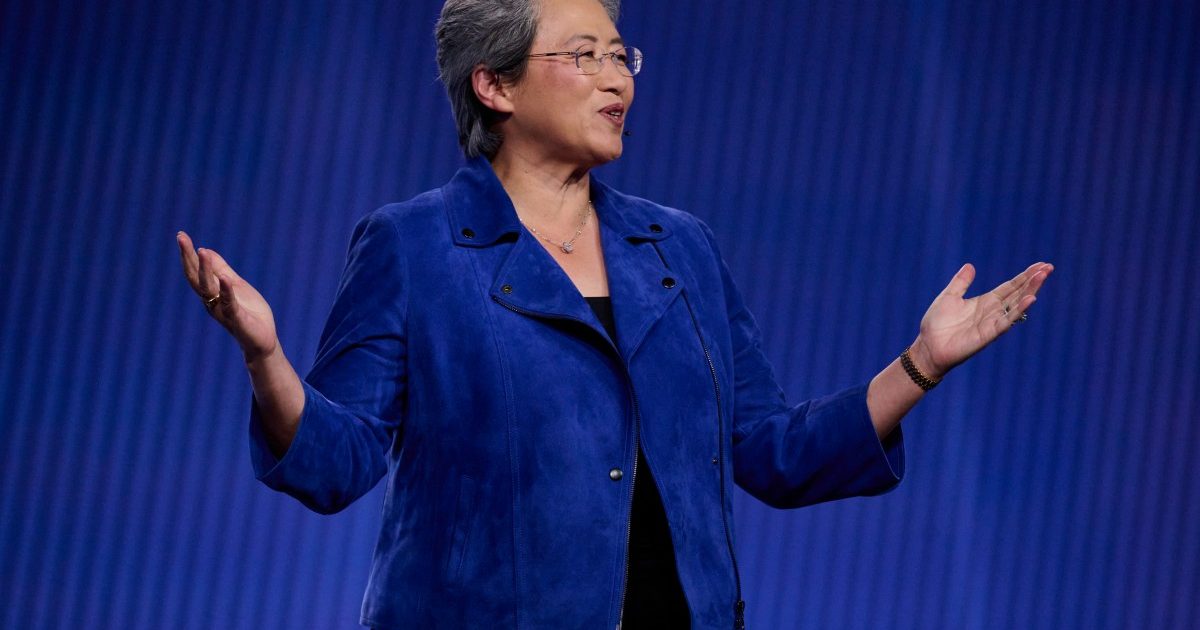
في خطوة طموحة نحو كسر هيمنة نفيديا على سوق البنية التحتية للذكاء الاصطناعي، كشفت شركة AMD عن نظامها الجديد «هيليوس» (Helios)، وهو منظومة حسابية متكاملة على مستوى الرف مصمّمة لتلبية متطلبات أكبر مختبرات الذكاء الاصطناعي في العالم. جاء الإعلان خلال مؤتمر «Advancing AI» الذي نفدت تذاكره بالكامل في سان فرانسيسكو، وترأّسته الرئيسة التنفيذية لـAMD الدكتورة ليزا سو.
ما الذي يُميّز نظام هيليوس؟
تصف AMD نظام هيليوس بأنه الأعلى أداءً في قطاع الذكاء الاصطناعي على مستوى الرفوف الحسابية، إذ صُمِّم خصيصاً لتدريب وتشغيل نماذج الذكاء الاصطناعي الحدّية الأكثر تعقيداً وعلى نطاق واسع جداً. وتخطط الشركة لنشر هذه المنظومة لدى كبرى شركات الذكاء الاصطناعي بطاقة استهلاكية تصل إلى مستوى الجيغاواط.
تجمع أنظمة الرفوف الحسابية عدداً كبيراً من المعالجات في وحدة واحدة عالية القدرة، وهي مخصّصة للمراكز الحسابية التي تتولى تدريب نماذج الذكاء الاصطناعي وتشغيل التطبيقات الكثيفة الحسابية. ووفقاً لتقارير متخصصة، تتفوق مؤشرات أداء هيليوس على نظير نفيديا «Vera Rubin» في عدد من المعايير القياسية.
عملاء كبار ينضمون إلى هيليوس
جمعت AMD لنظامها الجديد قائمة من أبرز الأسماء في عالم التكنولوجيا والذكاء الاصطناعي، وتشمل:
- مايكروسوفت: أعلن رئيسها التنفيذي ساتيا ناديلا عن توسيع البنية التحتية لـAzure باستخدام هيليوس.
- أنثروبيك: أبرمت شراكة استراتيجية مع AMD لنشر ما يصل إلى جيغاواتين من وحدات معالجة الرسوميات عبر النظام الجديد.
- OpenAI وميتا وأوراكل: أعلنت جميعها عن خطط لاستخدام هيليوس ضمن بنيتها التحتية.
يمنح هذا التحالف الواسع AMD مصداقية تجارية قوية في مواجهة نفيديا التي طالما هيمنت على هذا السوق بمنظومتَي «Vera Rubin» و«Grace Blackwell».
معالج Venice-X: استثمار في مستقبل المراكز الحسابية
إلى جانب هيليوس، أعلنت AMD عن معالجها الجديد «Venice-X» المخصص للمراكز الحسابية والمصمّم للتعامل مع أعباء العمل الحسابية المكثّفة. ومن المتوقع إطلاق هذا المعالج تجارياً في عام 2027، ليُكمل منظومة AMD الشاملة لخدمة قطاع الذكاء الاصطناعي.
رؤية ليزا سو لمستقبل سوق الرقائق
خلال كلمتها، رسمت ليزا سو مشهداً مستقبلياً لافتاً لصناعة الرقائق، مستندةً إلى الطلب المتسارع الذي تولّده تطبيقات الذكاء الاصطناعي التوليدي والعوامل المستقلة (Agentic AI). وأوضحت أن التوكيل بمهمة واحدة لعامل ذكاء اصطناعي قد يستلزم عشرات الخطوات الحسابية المتتابعة من استدلال واستدعاء أدوات وقراءة بيانات، وهو ما يُفسّر الحاجة المتزايدة إلى وحدات معالجة الرسوميات.
وتوقّعت سو أن يبلغ سوق مسرّعات الذكاء الاصطناعي نحو 1.4 تريليون دولار بحلول عام 2030، أي ما يقارب حجم سوق أشباه الموصلات بأكمله اليوم. كما أكّدت أن وحدات معالجة الرسوميات ستظل تهيمن على هذا السوق، نظراً لمرونتها البرمجية التي تجعلها الأنسب للتكيّف مع الخوارزميات المتطورة باستمرار.
AMD في مواجهة نفيديا: هل تتغير موازين القوى؟
لا تزال نفيديا تقود هذا السوق بفارق واضح، غير أن AMD تُظهر اليوم جدية حقيقية في المنافسة، لا سيما مع توفّرها على شبكة عملاء متنوعة وأداء تقني تنافسي. يبقى السؤال مفتوحاً: هل يكفي هيليوس وحده لتغيير قواعد اللعبة، أم أن الطريق لا يزال طويلاً أمام AMD لاختراق هيمنة نفيديا الراسخة؟ ما هو مؤكد أن الأشهر القادمة ستكون حاسمة مع بدء شحن النظام وتشغيله فعلياً.
✦ بقلم فريق دروب أيديا
دروب أيديا - DROPIDEA
نأمل أن تكون هذه المقالة قد أضافت لك قيمة حقيقية. في دروب أيديا نسعى دائمًا لتقديم محتوى عربي عالي الجودة يساعدك على النمو والتطور في المجال الرقمي. تابعنا للمزيد من المقالات والشروحات المفيدة.
الوسوم
الأدمن
DROPIDEA
أحدث المقالات
بنتلي تورقال: سيارة كهربائية فاخرة بصوت محرك V8 مُصطنع
لماذا يرتفع سعر هاتفك؟ أزمة الذاكرة تهزّ صناعة التقنية
سوني تعيد إحياء سماعاتها الأسطورية XM4 بنسخة محدّثة

طائرة شحن تابعة لأمازون تخرج عن مدرج مطار ميامي وتصطدم بمركبات