نصف تحميلات Deezer اليومية من موسيقى الذكاء الاصطناعي
 بقلم الأدمن
أرقام مثيرة تكشف تحولاً جذرياً في البث الموسيقي
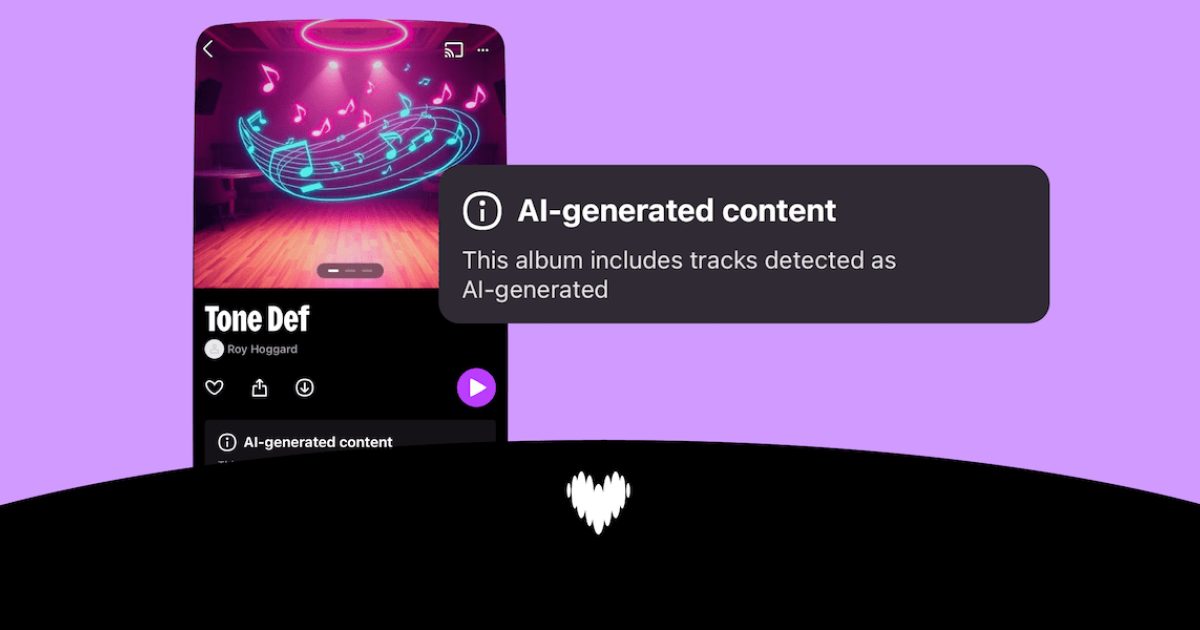
لم يعد الذكاء الاصطناعي مجرد أداة مساعدة في صناعة الموسيقى؛ بل أصبح منتجاً رئيسياً لها. هذا ما تؤكده أحدث بيانات منصة البث الموسيقي Deezer، التي رصدت ارتفاعاً متسارعاً في عدد المقاطع الموسيقية المُولَّدة آلياً، حتى تخطّت نسبتها حاجز الـ50% من إجمالي الرفعات اليومية على المنصة.
رحلة الأرقام: من 10% إلى أكثر من 50% في 18 شهراً
بدأت Deezer رصد هذه الظاهرة ونشر إحصاءاتها في يناير 2025، حين كانت المقاطع المُولَّدة بالذكاء الاصطناعي تمثّل نحو 10,000 مقطع يومياً، أي ما يعادل 10% من الرفعات. ومنذ ذلك الحين، واصلت الأرقام صعودها بوتيرة لافتة:
- أبريل 2025: 20,000 مقطع يومياً بنسبة 18%
- سبتمبر 2025: 30,000 مقطع يومياً بنسبة 28%
- نوفمبر 2025: 50,000 مقطع يومياً بنسبة 34%
- يناير 2026: 60,000 مقطع يومياً بنسبة 39%
- أبريل 2026: 75,000 مقطع يومياً بنسبة 44%
- يونيو 2026 (الذروة): 90,000 مقطع يومياً بنسبة تتجاوز 50%
هذا التصاعد المتواصل يُجسّد كيف تحوّل الذكاء الاصطناعي من ظاهرة هامشية إلى واقع يُهيمن على نصف المحتوى الموسيقي المُرفوع على إحدى أبرز منصات البث العالمية.
الإجراءات المضادة: حماية الفنانين من التمييع
أعلنت Deezer عن جملة من الإجراءات للحدّ من تأثير هذا الفيضان الآلي على حقوق الفنانين والملحّنين. وتتضمن هذه الخطوات إزالة المقاطع المُولَّدة بالذكاء الاصطناعي التي لم تحصل على أي استماع خلال الأشهر الستة الماضية، إلى جانب حذف تلك المرتبطة بعمليات تشغيل وهمية تستهدف ضخّ إيرادات مزيّفة.
وفي هذا السياق، أكد الرئيس التنفيذي للمنصة أليكسيس لانتيرنييه أن Deezer تقف في الخطوط الأمامية لمكافحة الاحتيال والحدّ من تمييع مدفوعات حقوق الملكية الفكرية منذ قرابة عامين، مشيراً إلى أن الهدف الجوهري هو صون حقوق المبدعين والتركيز على الموسيقى التي يبحث عنها المستمعون فعلاً.
تقنية الكشف ومشاركتها مع المنصات الأخرى
لا تقتصر جهود Deezer على إدارة محتواها الداخلي؛ إذ طوّرت المنصة تقنية متقدمة للكشف عن الموسيقى الآلية قادرة على التعرف على المقاطع المُنتجة باستخدام أدوات بعينها، من بينها Suno وUdio، وهما شركتان ناشئتان في مجال الموسيقى بالذكاء الاصطناعي تواجهان حالياً دعاوى قضائية تتعلق بحقوق النشر. كما أتاحت Deezer هذه التقنية للمنصات الأخرى مطلع عام 2026، وأطلقت أداةً تتيح فحص قوائم التشغيل على Apple Music وSpotify بحثاً عن مقاطع من توليد الذكاء الاصطناعي.
تباين المواقف بين المنصات الكبرى
تتعامل منصات البث الموسيقي الكبرى مع هذه الأزمة بأساليب متباينة، ولا يوجد حتى الآن موقف موحّد في القطاع:
- Bandcamp: حظر كامل على المقاطع المُولَّدة بالذكاء الاصطناعي
- Tidal: إيقاف تحقيق الدخل من هذا النوع من المحتوى
- Apple Music: نظام طوعي لوسم مقاطع الذكاء الاصطناعي
- Spotify: سياسة خاصة تحدد مستوى مقبول للاستعانة بالذكاء الاصطناعي في الإنتاج
تساؤلات جوهرية حول مستقبل صناعة الموسيقى
تطرح هذه الأرقام تساؤلات عميقة حول مستقبل صناعة الموسيقى برمّتها: هل ستجد المنصات توازناً يحمي حقوق الفنانين دون الإخلال بحرية الإبداع؟ وكيف ستُشكّل الأطر القانونية والتنظيمية القادمة حدود استخدام الذكاء الاصطناعي في هذا المجال؟ ما هو واضح الآن أن التحرك الاستباقي لمنصة Deezer يُمثّل نموذجاً يستحق الرصد، في خضم سباق تتشابك فيه مصالح الفنانين والمستمعين والتكنولوجيا.
✦ بقلم فريق دروب أيديا
دروب أيديا - DROPIDEA
نأمل أن تكون هذه المقالة قد أضافت لك قيمة حقيقية. في دروب أيديا نسعى دائمًا لتقديم محتوى عربي عالي الجودة يساعدك على النمو والتطور في المجال الرقمي. تابعنا للمزيد من المقالات والشروحات المفيدة.
الوسوم
الأدمن
DROPIDEA
أحدث المقالات

Abliteration.ai: خدمة تجارية لإزالة قيود الأمان من نماذج الذكاء الاصطناعي

أقل من 24 ساعة للتقديم على تنظيم فعالية جانبية في مؤتمر Disrupt 2026

جيميناي سبارك من جوجل يدير مكتبة صور المستخدمين آلياً

ثينكينج ماشينز تسعى لجمع مليار دولار بتقييم 40 مليار